The line that belongs on every activation brief in 2026: people can tell when it was built for the feed.
In BizBash's 2026 Industry Innovators series, a working experiential leader noted that audiences can tell when something was built for Instagram versus built for an actual experience. The takeaway for 2026: design for the second act (what a visitor does…
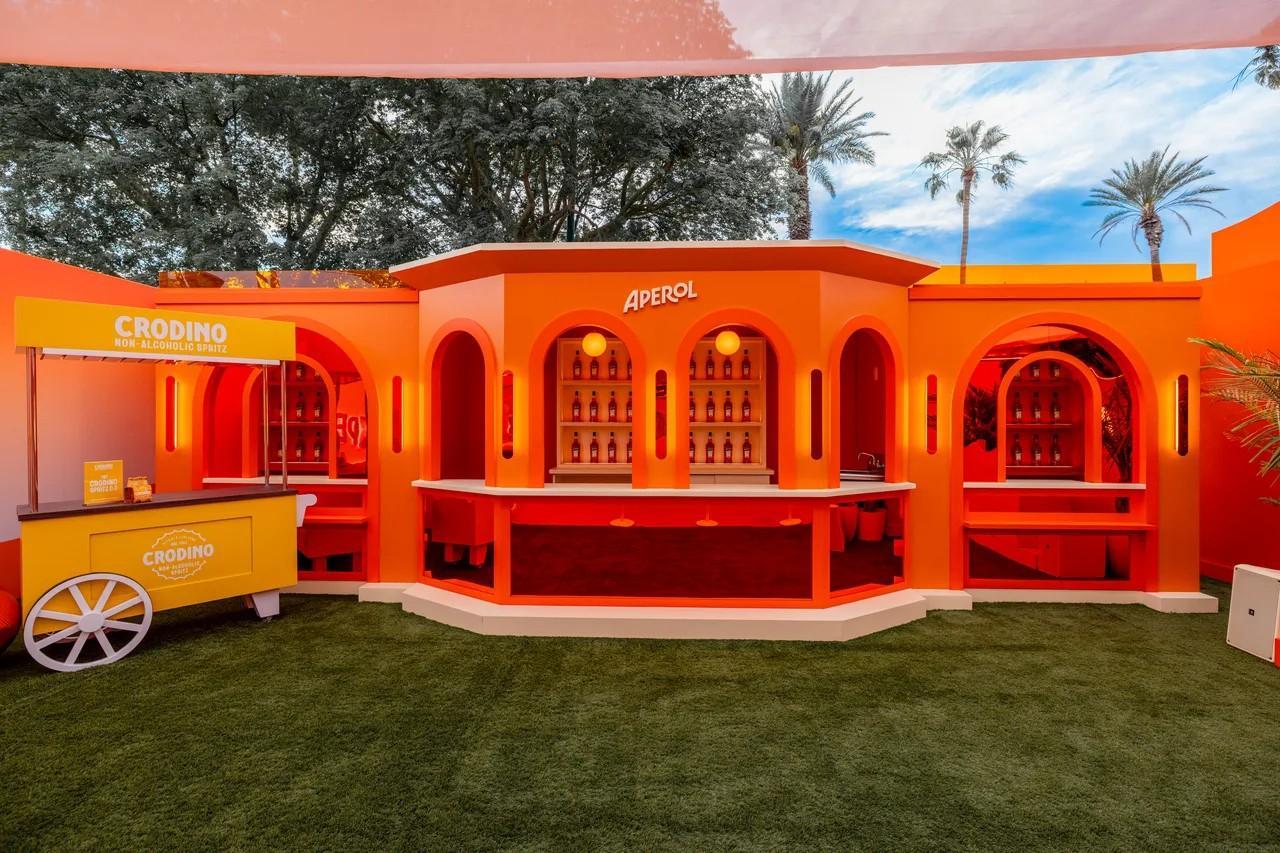
In brief. In BizBash's 2026 Industry Innovators series, a working experiential leader noted that audiences can tell when something was built for Instagram versus built for an actual experience. The takeaway for 2026: design for the second act (what a visitor does after the photo), treat photographability as a byproduct rather than the goal, and steal ideas from hospitality, retail, music, and film rather than from other brand activations.
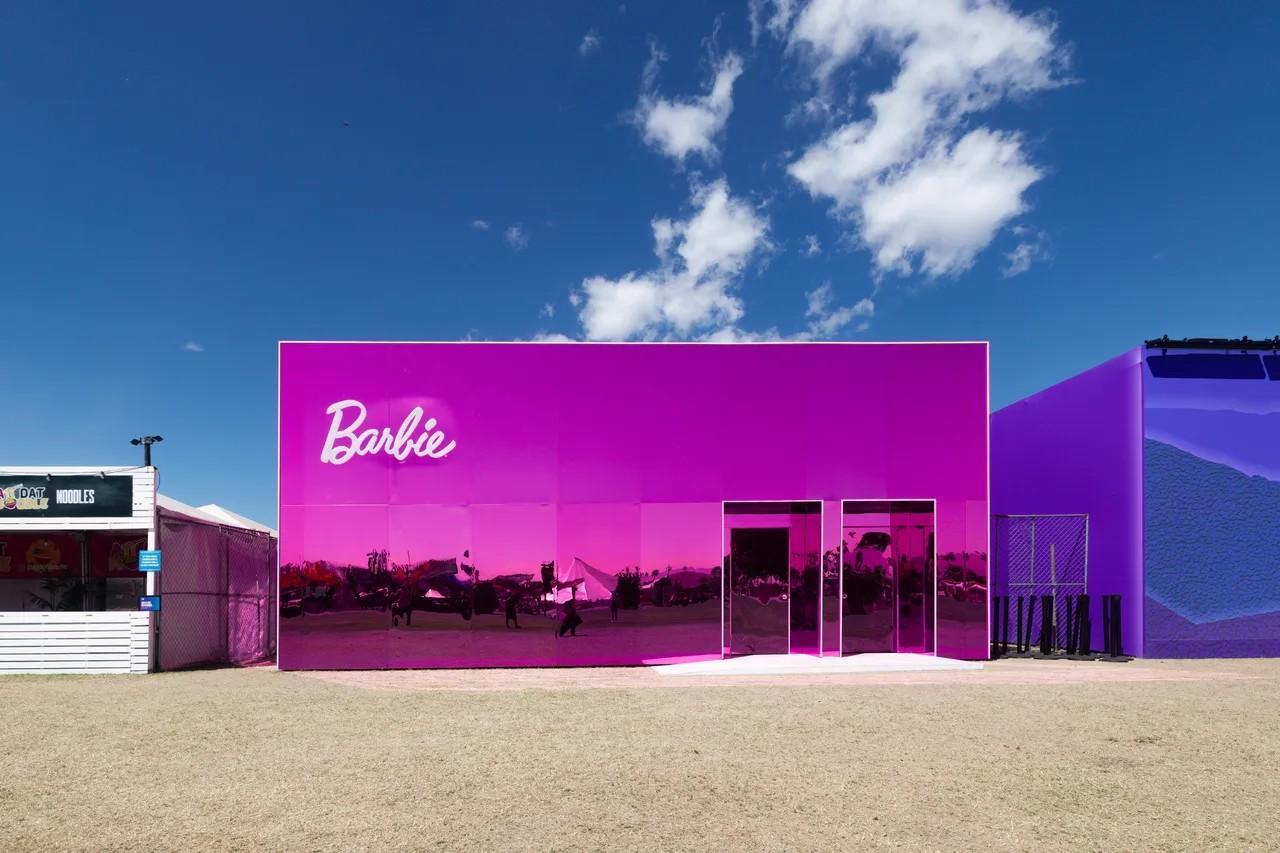
Barbie's mirrored pavilion at Coachella 2026, produced by Mirrored Media for Mattel — Photo: Courtesy of Mattel.
BizBash's 2026 Industry Innovators series featured a working experiential leader making a point that lands harder than most trend reports: people are smart, and they can tell when something was built for Instagram versus built for an actual experience. She added that she stays inspired by looking outside the experiential bubble, at hospitality, fashion retail, music, and film.
It is a simple observation. It is also the quiet failure mode of half the activations built in the last five years.
The feed-first reflex
For most of the 2010s and into the 2020s, the brief behind a lot of brand activations was, in effect, "make something photographable." Build the mural wall, the neon sign, the oversized prop, the angle. The metric was social impressions, so the work optimized for the single frame that would travel.
The problem, which audiences figured out faster than brands did, is that a space built for one photo is empty in every other way. You take the picture and there is nothing else to do. The activation has no second act because it was only ever designed for the camera. Visitors can feel that hollowness immediately, even if they still take the photo. And once an audience senses that a space was built for the brand's feed rather than for them, the goodwill leaks out of it.
The shift Torti is pointing to is from photographable to experienceable. A space built for actual experience tends to photograph well anyway, because real texture, real craft, and real things to do are inherently more interesting than a backdrop. But a space built only to photograph cannot be reverse-engineered into an experience. The order matters: experience first, and the images follow.
Her other point is just as useful. The experiential ideas worth stealing are mostly not in experiential. They are in how a good restaurant paces a meal, how a fashion store sequences a visit, how a film builds a world, how a venue handles sound and light. Brands that only study other brand activations end up copying the same tired moves. The fresher references are one industry over.
It is worth being honest about why the feed-first reflex took hold, because it was not stupidity. For a decade, social reach was the cheapest, most measurable thing a brand could buy, and a photogenic moment was the most reliable way to generate it. The incentive was real. What changed is that the feeds filled up. When every brand has a mural wall and a neon sign, the photogenic moment stops being remarkable, and the only thing that still cuts through is an experience good enough that people talk about having been there, not just post the picture. The math quietly flipped. The photo used to be the product and the experience was the cost of generating it. Now the experience is the product and the photo is a byproduct. Briefs written under the old math are the ones that feel hollow today.
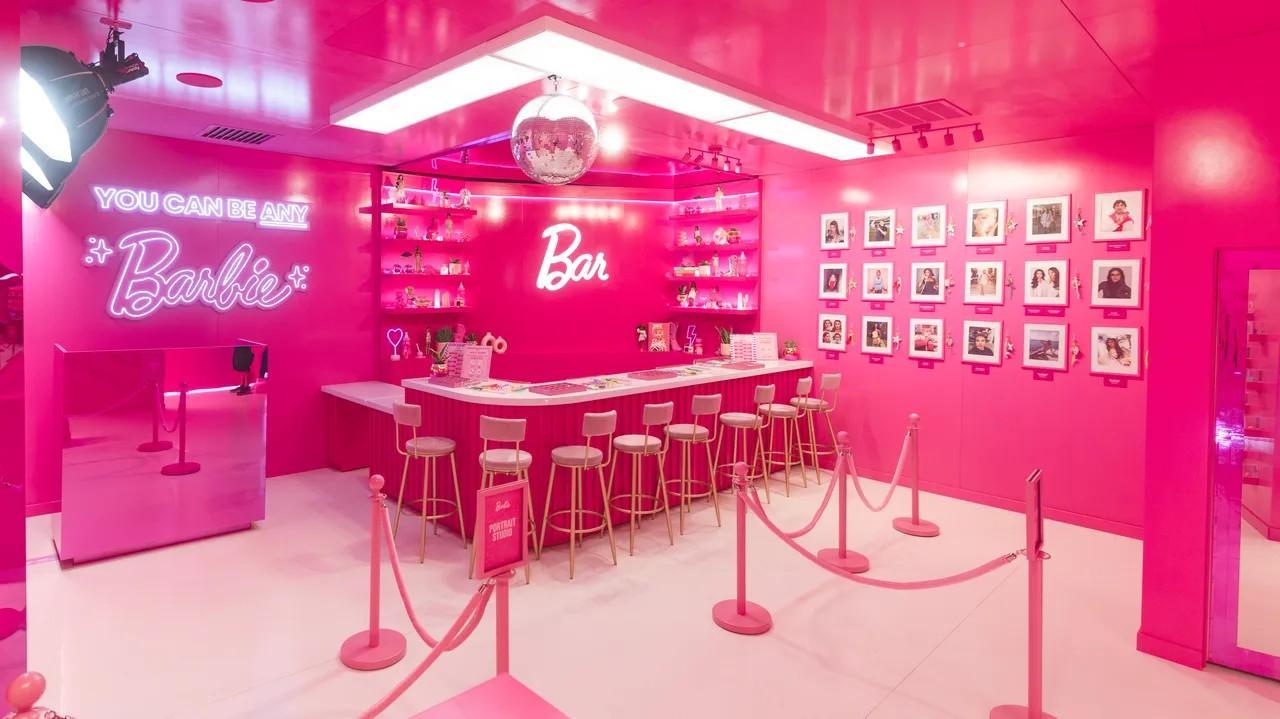
Inside Barbie's Coachella 2026 bar: a built environment with things to do, not just a photo wall — Photo: Courtesy of Mattel.
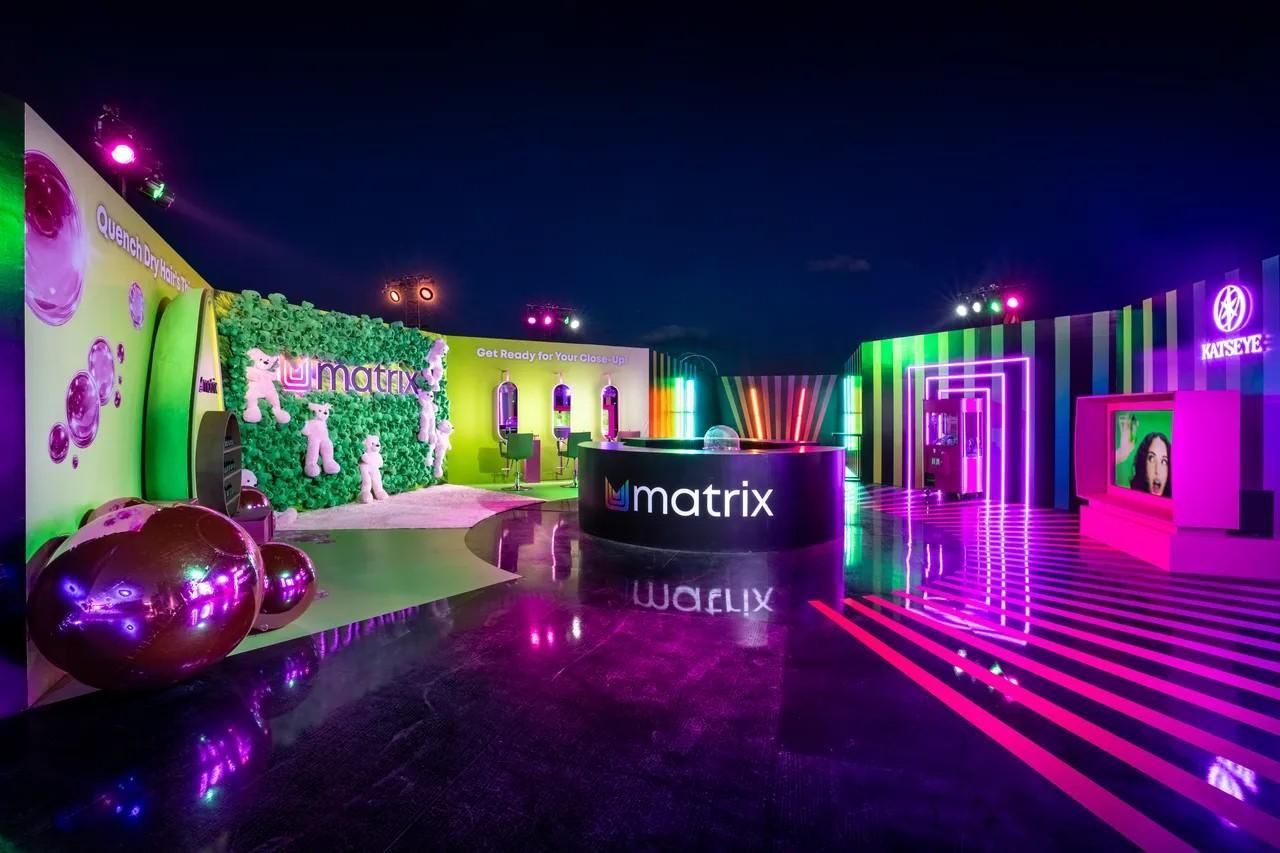
Matrix's neon Coachella 2026 build, a maximalist experience-first environment — Photo: Courtesy of Matrix.
What this means for activation work in 2026
One: design for the second act. After the photo, what does the visitor do? If the answer is "leave," the activation is a backdrop. Build something with a reason to stay: a task, a sequence, a discovery. The second act is what separates an experience from a set.
Two: photographable is a byproduct, not a goal. Build for real experience and the images come for free, because real craft and real activity photograph better than a staged wall. Build only for the image and you get a hollow space audiences can smell. Put the goal in the right order.
Three: steal from outside the bubble. The strongest activation ideas in 2026 come from hospitality, retail, music, and film, not from other activations. If your moodboard is entirely other brand activations, you are copying copies. Look one industry over for the move nobody in your category has used yet.
If your brief is being measured purely in projected impressions, that is the moment to ask the harder question: what will a person actually do here, and would they stay if there were no camera. That answer is the real brief.
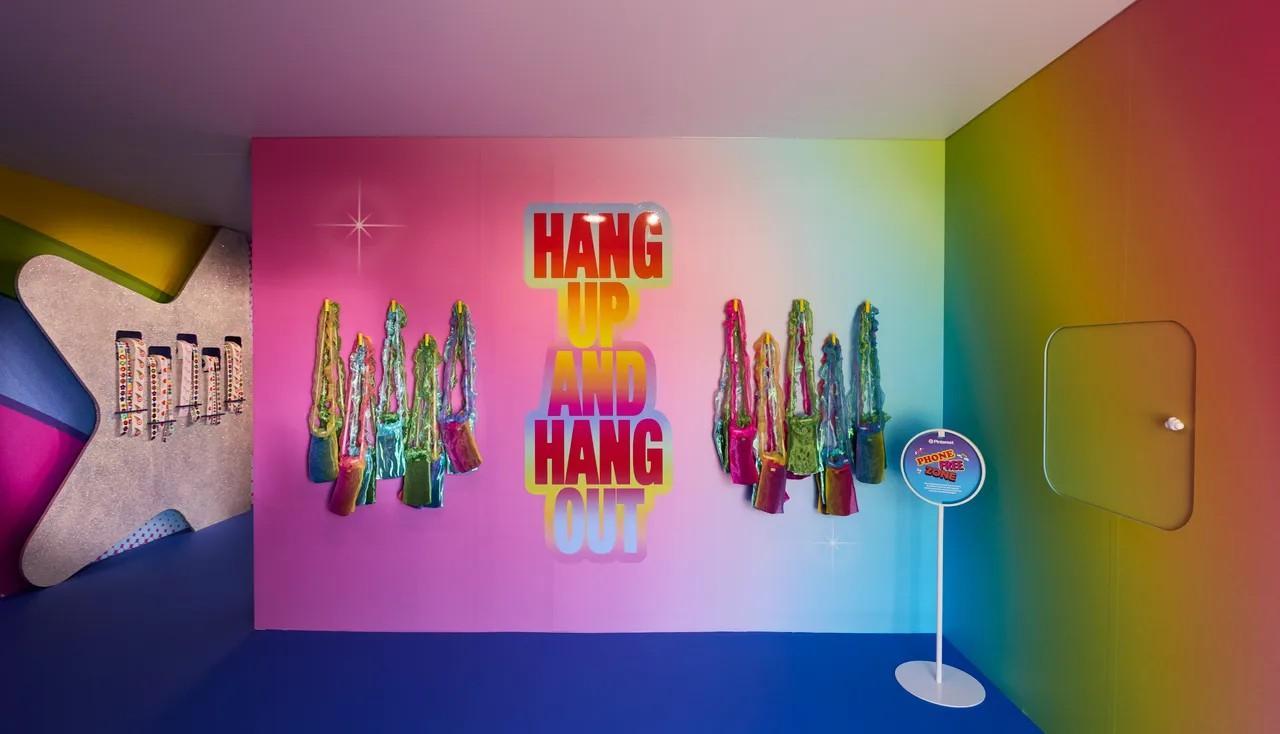
Pinterest's phone-free Coachella 2026 room: hang up and hang out, an experience designed for presence — Photo: Courtesy of Pinterest.
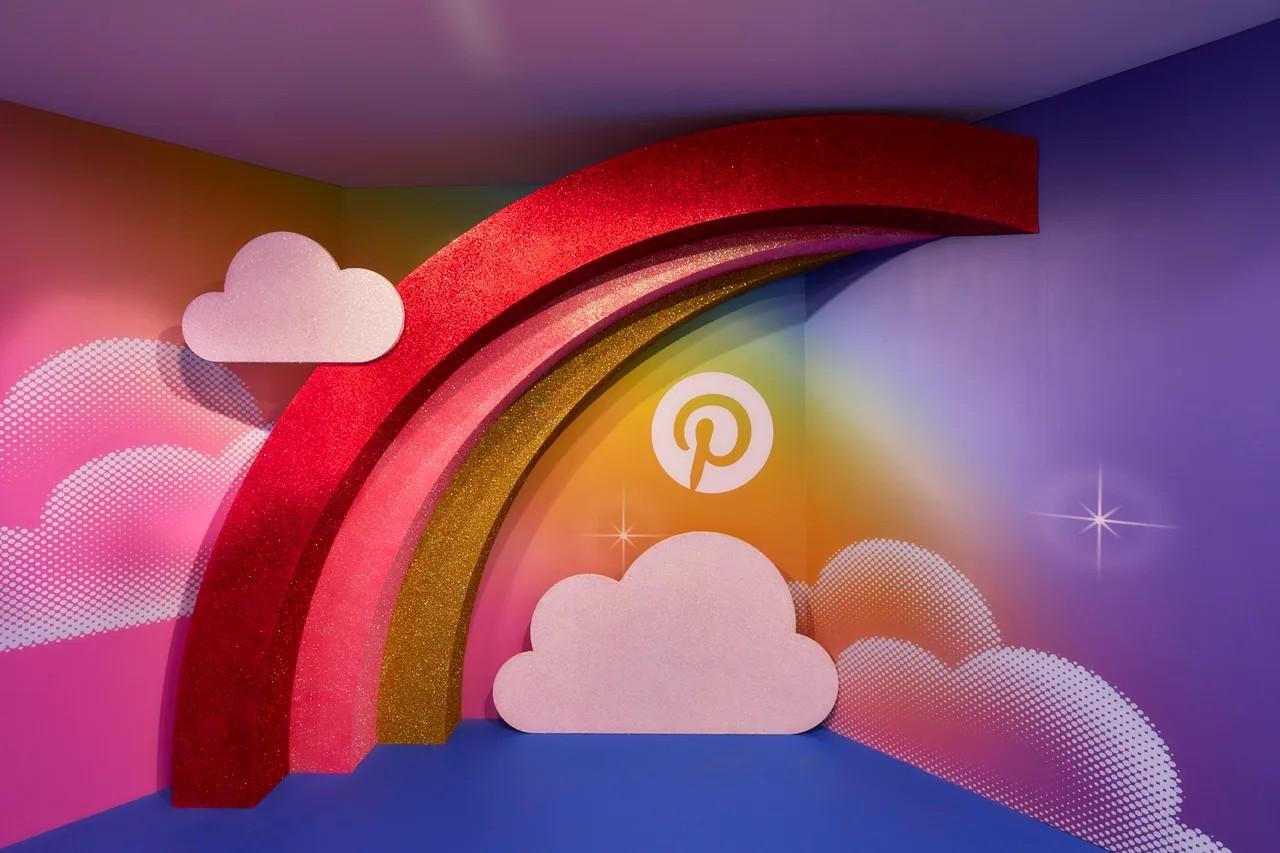
Pinterest's rainbow room at Coachella 2026, a built environment that photographs well as a byproduct — Photo: Courtesy of Pinterest.