Coachella 2026 just made fabricators visible. That changes the GTA market.
BizBash’s Coachella 2026 recap named the fabricators alongside the agencies. The shift from anonymous vendor to named partner is a leading indicator that the agency-fabricator relationship is becoming a publicly visible commercial asset.
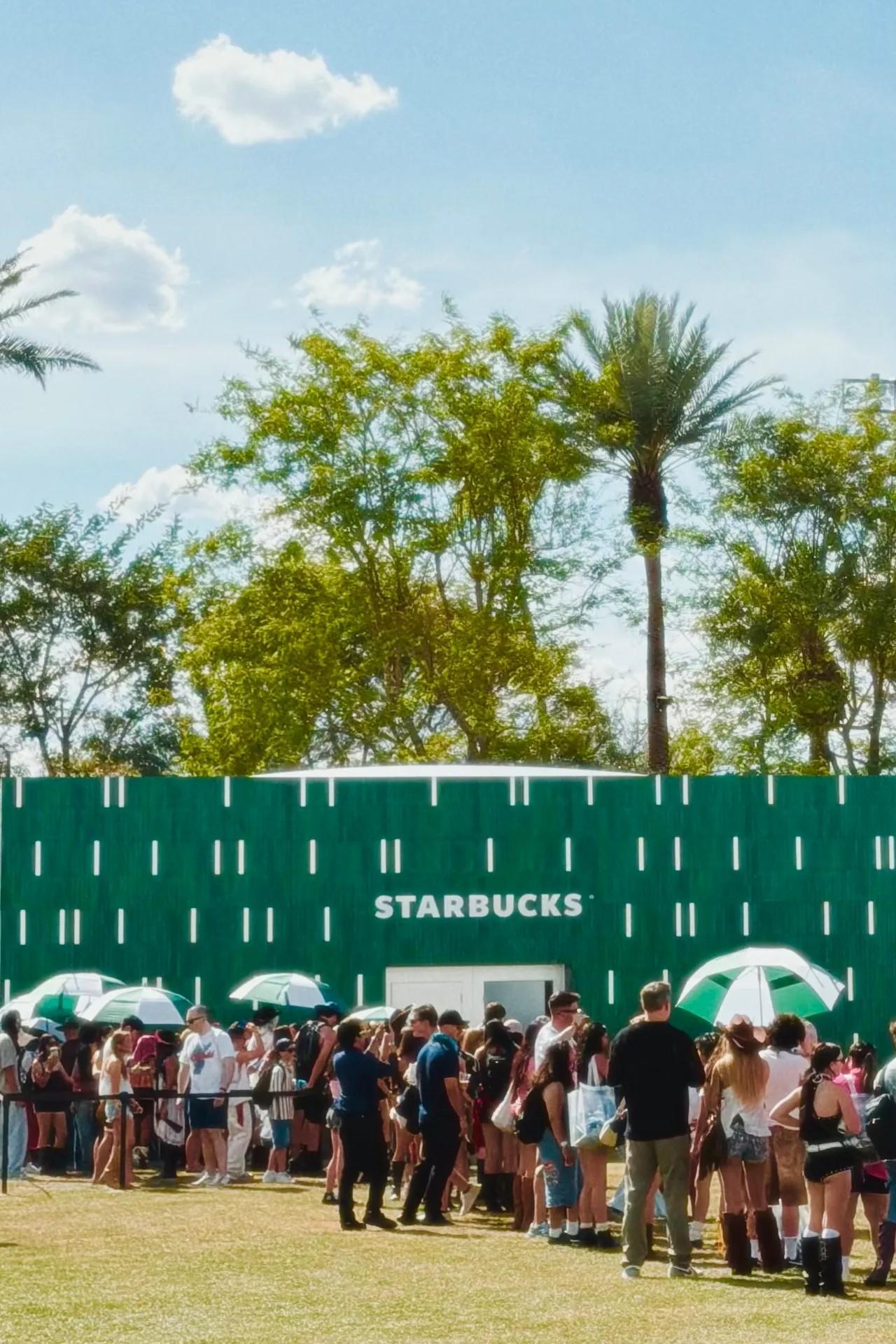
In short: BizBash’s Coachella 2026 activation recap named the fabricators alongside the agencies: Honey Badger Fabrication on Karol G’s 9F Agency-designed installation, Treehouse Fabrication on Pinterest’s NVE-produced phone-free zone. The shift from anonymous vendor to named partner in trade coverage is a leading indicator that the agency-fabricator relationship is becoming a publicly visible commercial asset. Brand-side teams will increasingly ask which fabricator is on a project before they sign the deck.
Photo: Courtesy of Starbucks.
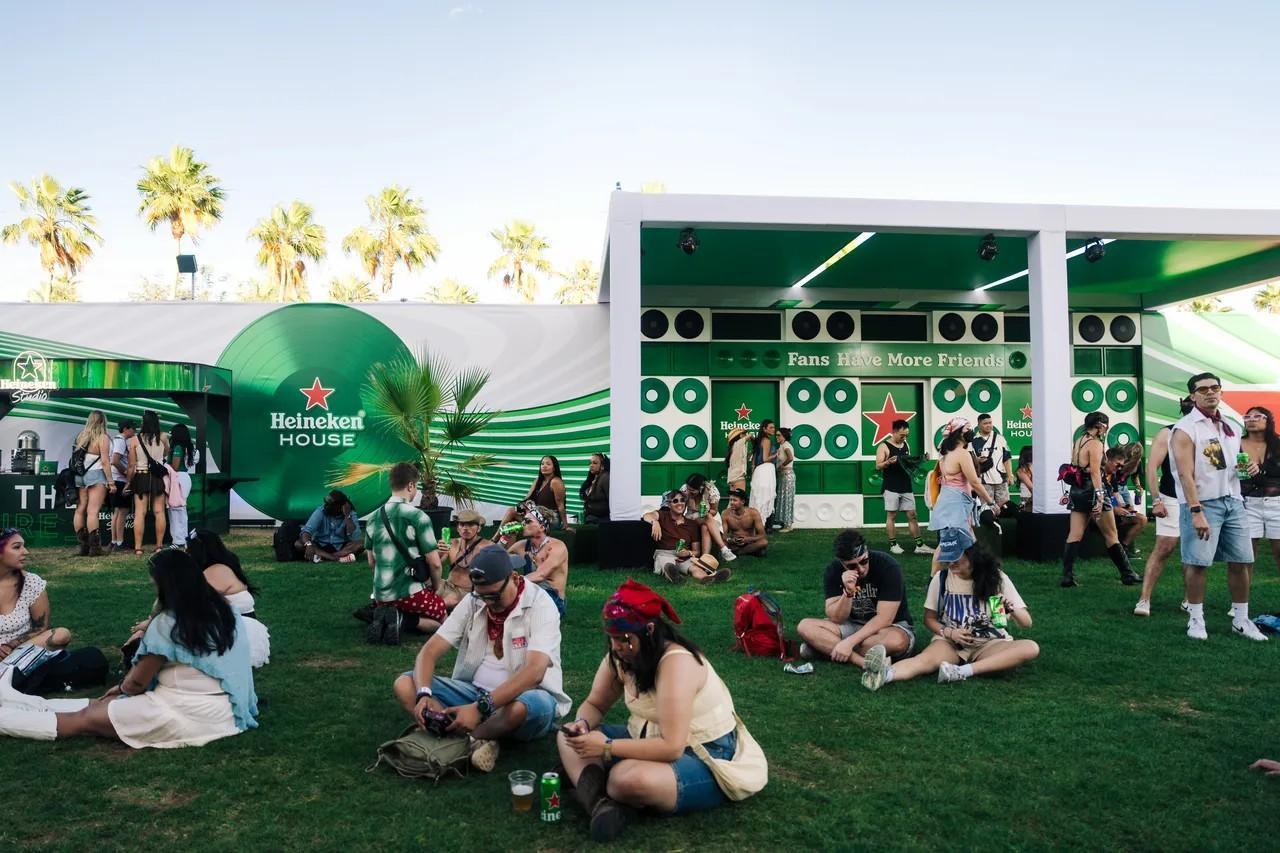
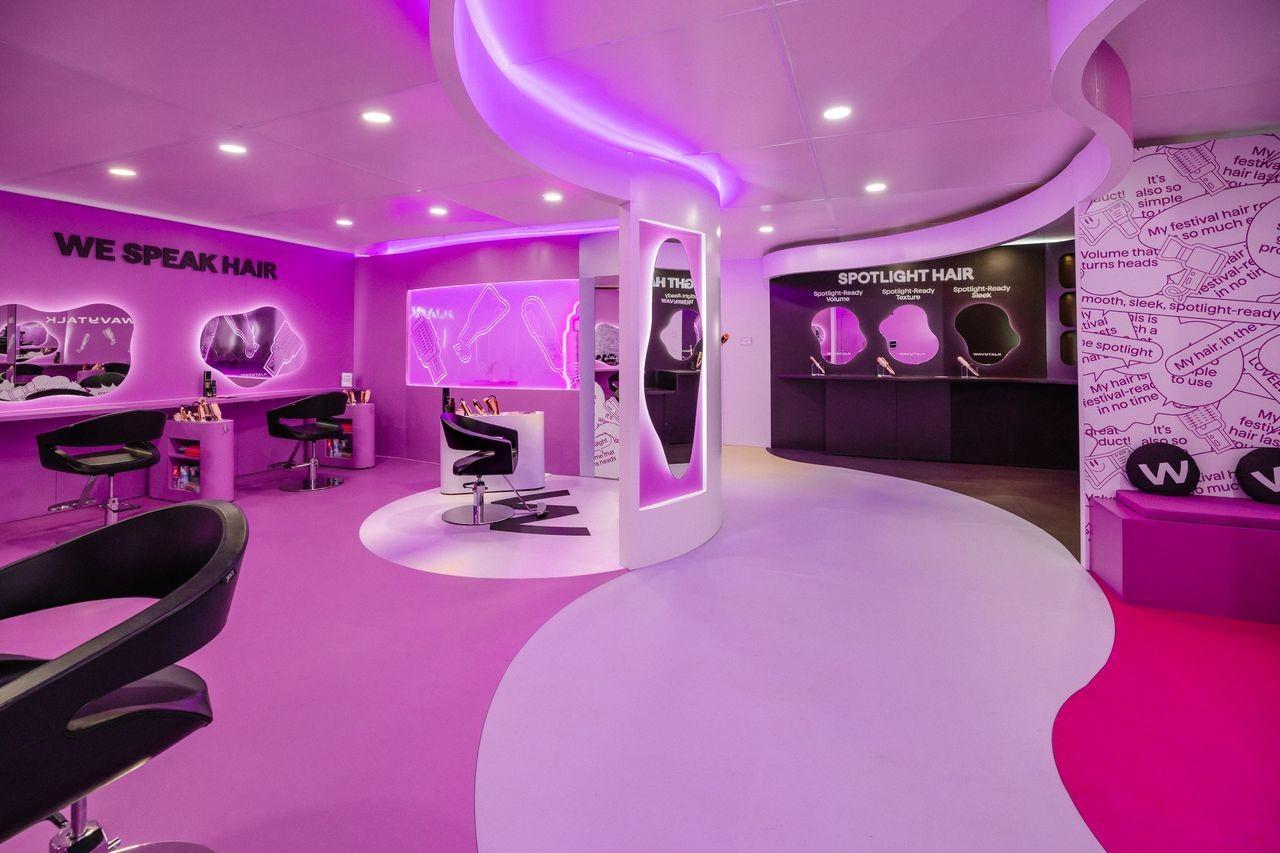
Photo: Courtesy of WavyTalk.
BizBash published its full Coachella 2026 brand activation roundup last week. The interesting part isn’t which brands showed up. It’s who got credited.
Karol G’s sculptural centerpiece: designed by 9F Agency, fabricated and installed by Honey Badger Fabrication. Pinterest’s phone-free zone: produced by NVE Experience Agency, fabricated by Treehouse Fabrication. Barbie’s activation: produced by Mirrored Media for Mattel. BellaCanvas’s merch walkthrough: produced by Revolution Marketing. In every credit, the fabricator is named, the agency is named, and the brand is the client.
That’s not how the credit chain has worked in this industry until now.
The old chain put the fabricator at the bottom
The model most GTA agencies still operate inside: the brand hires the agency, the agency designs the activation, the fabricator builds what the agency specifies. The fabricator is a production line item. They get paid. They don’t get named.
That had two consequences. The fabricator had no incentive to push back creatively, because they got no credit for the work. And the agency had no incentive to bring the fabricator into the concept stage, because the fabricator was a vendor, not a co-author.
The result was a decade of activations where the concept and the build felt designed by two teams who hadn’t met. Anyone who’s worked activation pitches in Toronto knows the feeling. The deck looked beautiful. The thing on the venue floor looked like a budget version of the deck.
What's changed
The Coachella recap is the loudest signal yet that the chain is being rebuilt. Honey Badger is named alongside 9F, not buried in a production note. Treehouse is named alongside NVE. When the fabricator gets named publicly, the agency-fabricator relationship becomes a visible asset.
That visibility creates real commercial pressure on both sides. The agency can’t treat the fabricator as interchangeable. The fabricator can’t get away with being unable to hold a creative conversation. Both have to level up.
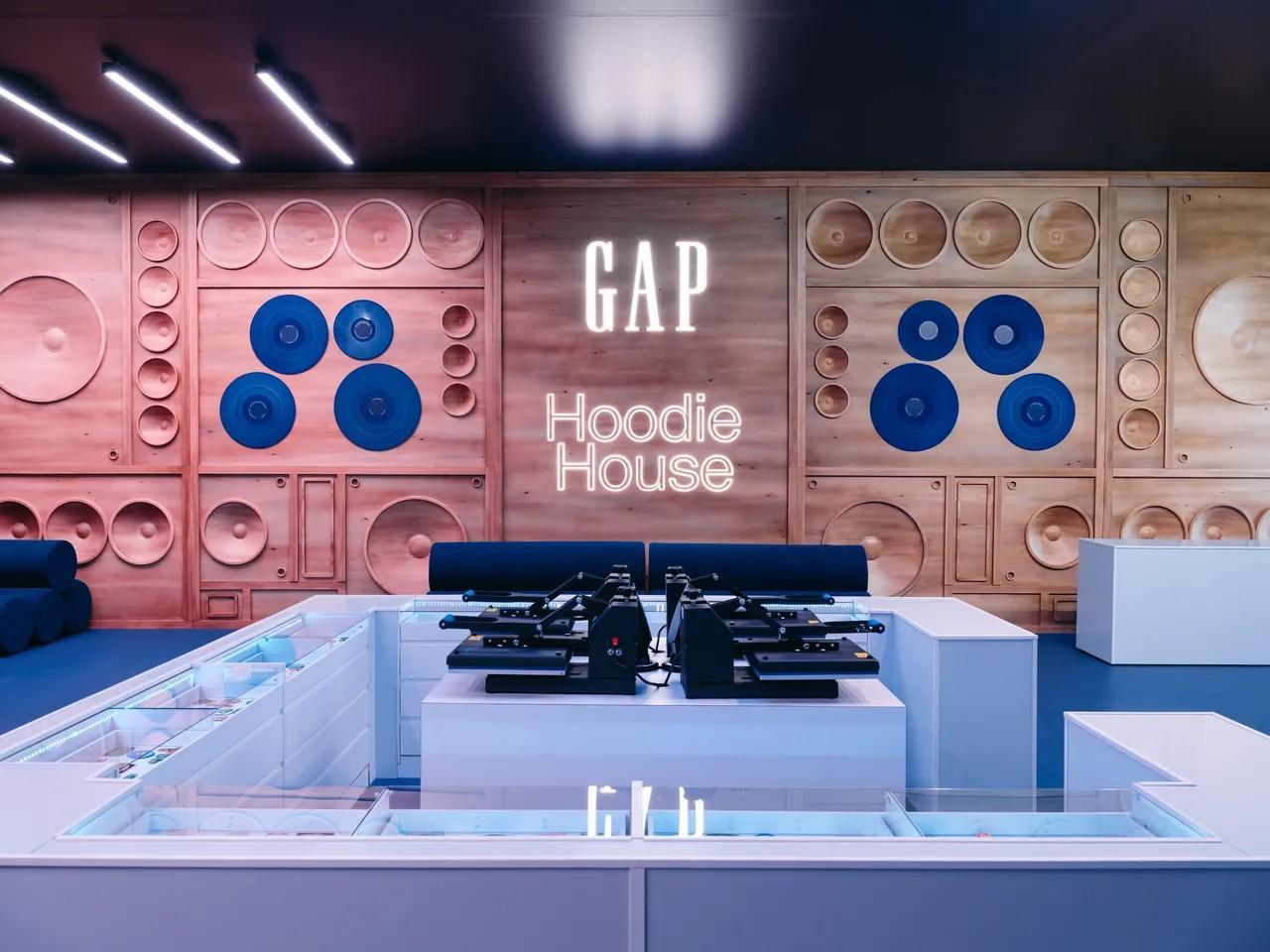
Photo: Courtesy of Gap.
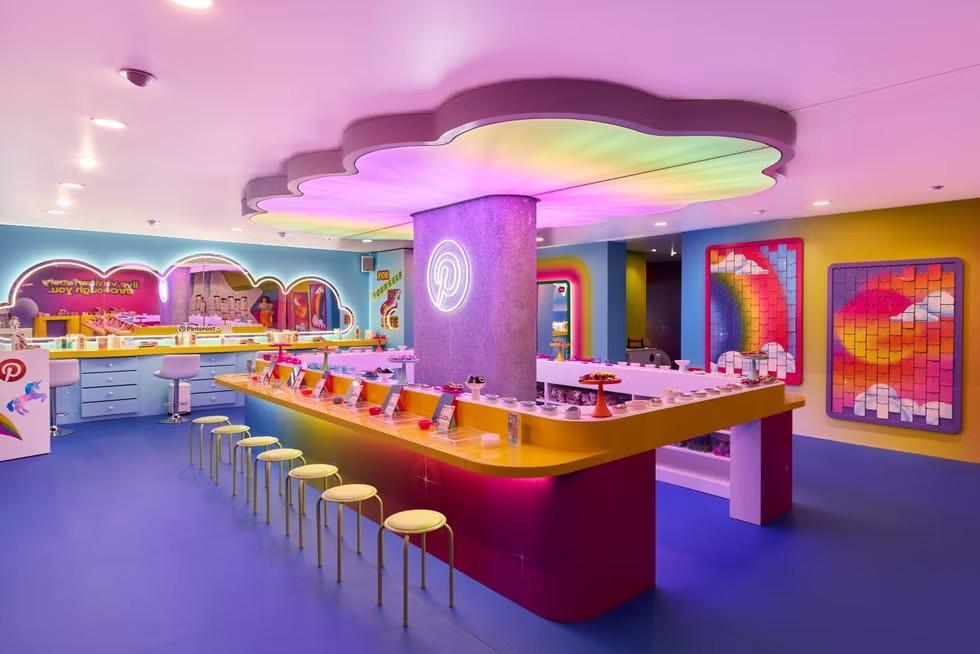
Photo: Courtesy of Pinterest.
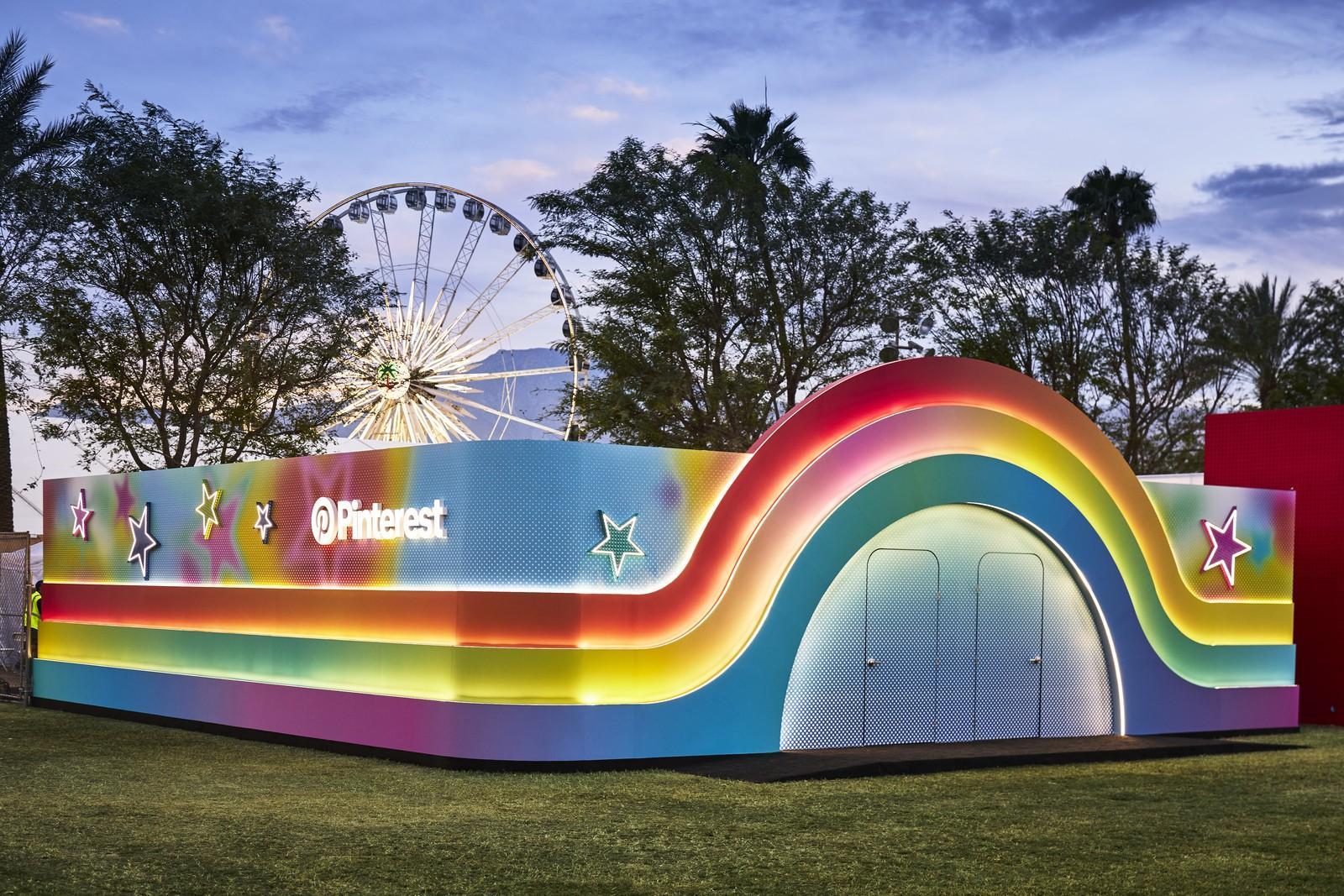
Photo: Courtesy of Pinterest.
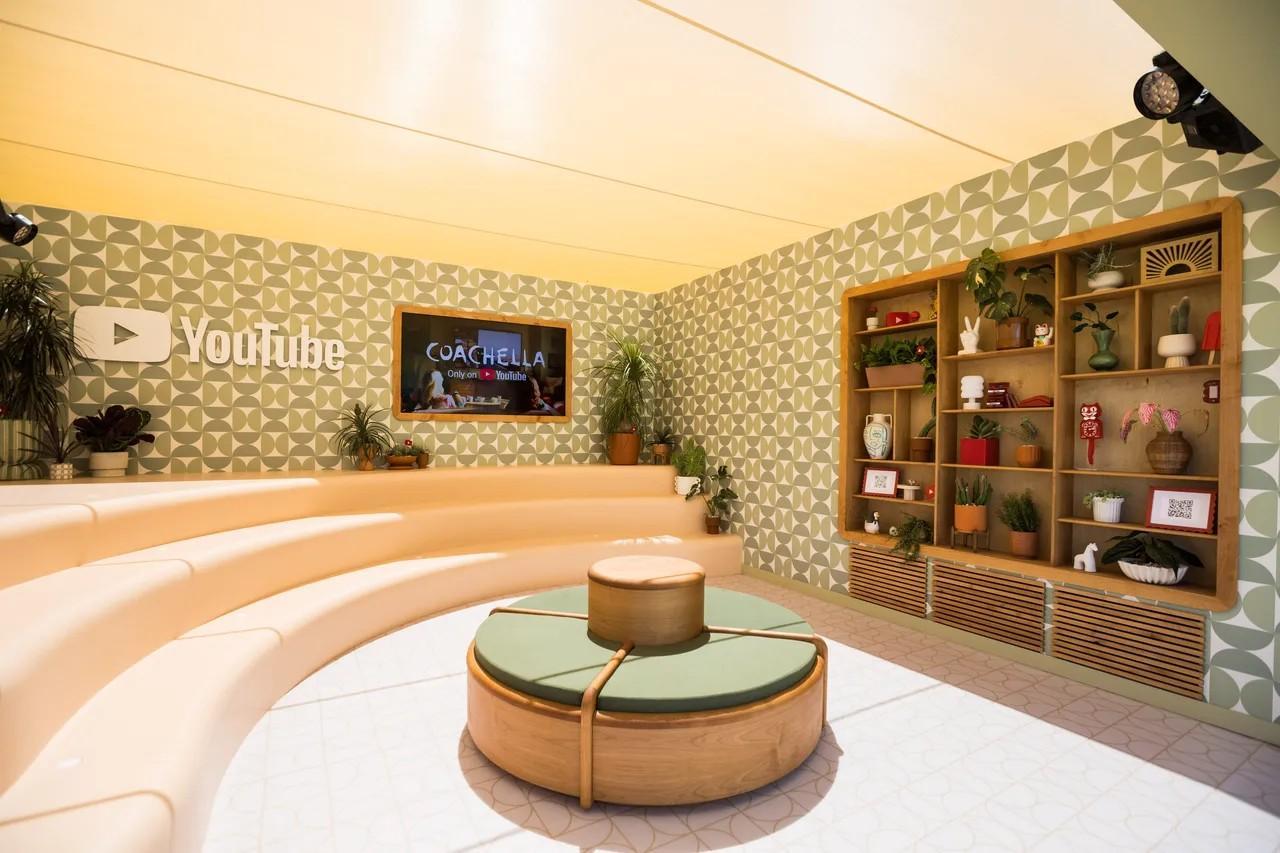
Photo: Courtesy of YouTube.
What this means for the GTA market
Toronto has plenty of fabrication shops. The number of shops a mid-market agency could publicly co-credit on a high-end activation is much smaller. Agencies that have invested in those relationships are about to discover they hold a real competitive advantage.
Three operational implications. Build the fabricator credit into the deck itself. Bring the fabricator into the concept stage, not the production stage. And pay the fabricator like a creative partner, not a vendor.