57% of people would rather pay for an experience than a thing. Brands still buying impressions should sit with that number.
A Barclays-commissioned survey found 57% of people would rather spend on a good experience than on physical possessions, up five points since 2018, while the UK experience economy was estimated at about £134 billion in 2024. For brands, the data reframes…

In brief. A Barclays-commissioned survey found 57% of people would rather spend on a good experience than on physical possessions, up five points since 2018, while the UK experience economy was estimated at about £134 billion in 2024. For brands, the data reframes experiential work from a soft, hard-to-measure line item into spending that is aligned with where people increasingly place value, and it raises the quality bar because audiences now pay to enter well-made immersive venues.
A recent Barclays-commissioned survey found that 57% of people would rather spend money on a good experience than on physical possessions, up five points since 2018. Separate data from the Centre for Economics and Business Research put the UK's experience economy at roughly £134 billion in 2024, with steady annual growth forecast through 2027. The numbers arrive as studios like teamLab keep opening permanent, ticketed immersive venues that people travel to and pay to enter, most recently the vast Phenomena space in Abu Dhabi.
Strip away the specific figures and the pattern is the thing: a majority of people now place more value on what they can do than on what they can own. For anyone who builds physical brand experiences, that is not a soft cultural trend. It is the business case.
Why the number matters for brand work
Most brand budgets are still built around impressions: how many people saw the ad, the post, the banner. The experience-economy data suggests the audience has quietly moved past that. A majority would rather participate in something than be shown something. They are voting with their money for presence over possession, and they are increasingly willing to pay to enter a well-made physical experience rather than scroll past a free one.
For the agencies and brand teams Brience works with, this reframes the pitch. An experiential activation is not the soft, hard-to-measure line item that has to justify itself against a media buy. It is aligned with where people are actually spending. The brands that treat experience as the main event, rather than as content-generation for the channels that surround it, are betting with the cultural grain instead of against it.
There is a craft implication hiding in the data, too. People are paying to enter immersive venues like teamLab's, which means the bar for a free brand experience is now set by paid ones. If a person would happily pay to walk through a beautifully made installation, a brand's free activation is being judged, consciously or not, against that standard. Sloppy fabrication and a logo wall do not clear it.
The shift also changes what counts as a result. An impression is a single moment of attention, often less than a second of a thumb moving past a screen. A well-built experience produces something an impression cannot: dwell time measured in minutes, a physical memory, a story the visitor tells someone else later. Those are harder to count than impressions, which is exactly why they have been undervalued in budgets built around media metrics. The experience-economy data is a signal that the harder-to-count outcomes are the ones people now place the most value on. The brands that figure out how to measure dwell, recall, and word of mouth, rather than defaulting to impressions because impressions are easy to tally, will be the ones making the case for experiential budgets with evidence instead of faith.
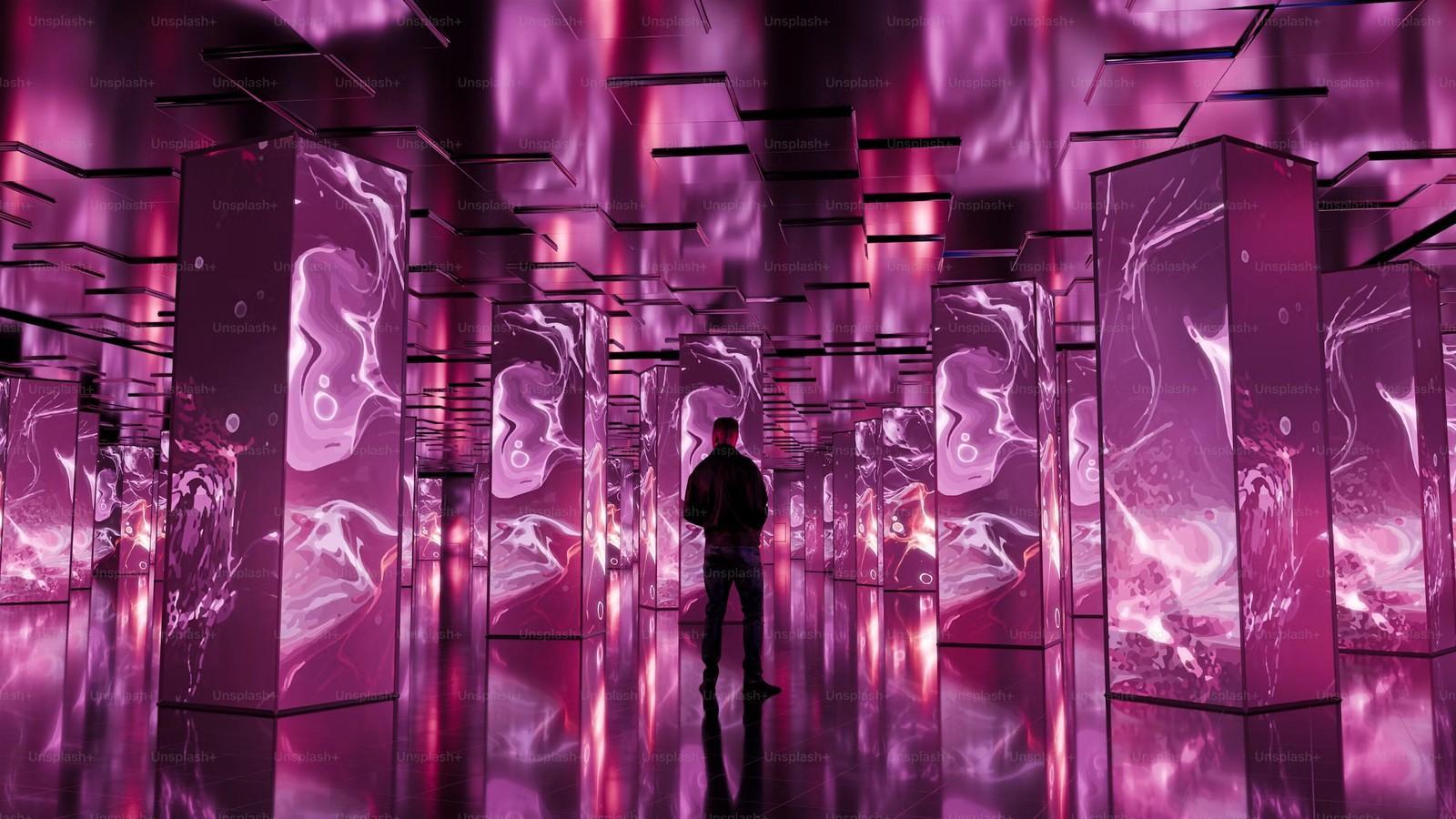
People inside an immersive experience, a paid cultural venue of the kind now setting the quality bar — Photo: Unsplash.
What this means for activation work in 2026
One: experience is where the spending is going, so stop pitching it as the risky line item. The data says a majority value experiences over things. An activation budget is aligned with consumer behavior, not fighting it. Pitch it as the main event, not the soft add-on.
Two: free activations are judged against paid ones. When people happily pay to enter teamLab or a similar venue, your free brand experience is measured against that quality bar whether you like it or not. The fabrication and design have to be good enough that someone would have paid.
Three: presence beats possession, so design for participation. People want to do, not own. Build experiences that let visitors participate and feel present, rather than handing out branded objects they will throw away. The takeaway people keep is the memory, not the tote bag.
If you are defending an experiential budget against a media line, the experience-economy numbers are the argument. People are already spending their own money this way. The brands that meet them there are the ones building real experiences, well.
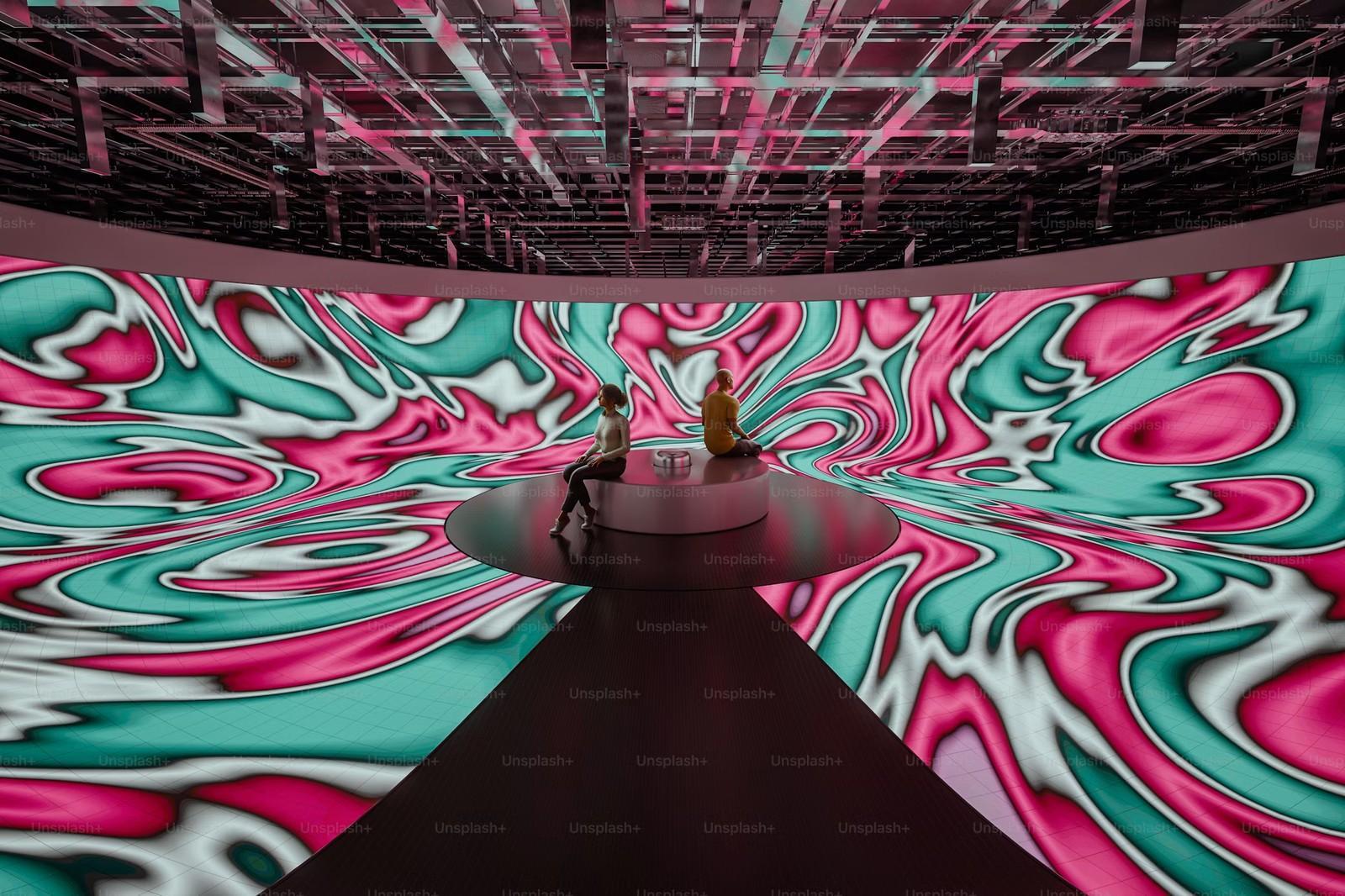
A crowd choosing to spend time and money on a live experience rather than a product — Photo: Unsplash.