Pinterest banned phones at Coachella. The whole industry should be paying attention
At Coachella 2026, Pinterest built the festival’s first phone-free brand activation. It works because it dramatizes Pinterest’s deepest brand promise, offline action triggered by online inspiration.
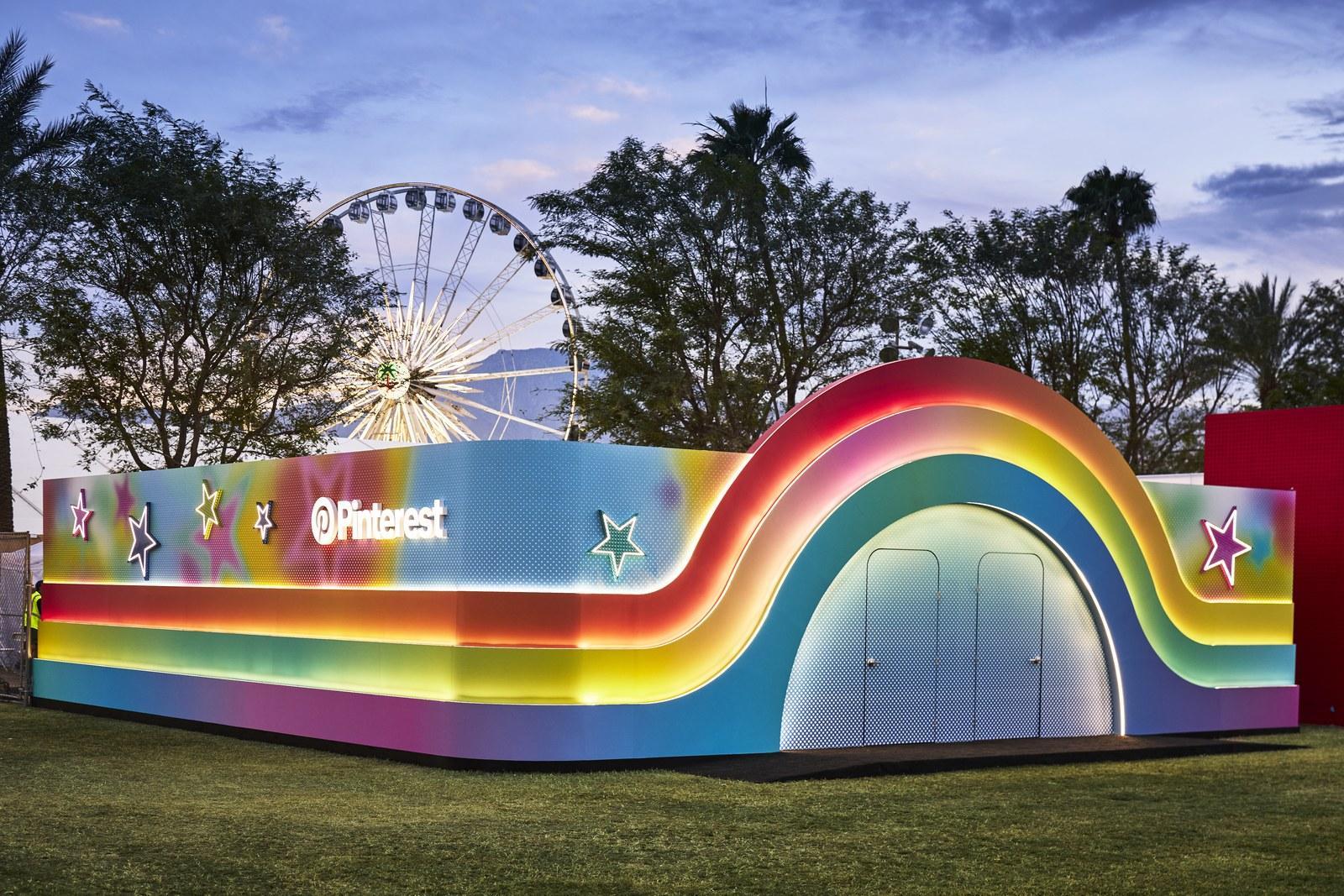
In short: At Coachella 2026, Pinterest built the festival’s first phone-free brand activation: visitors locked their phones in pouches at the entrance, then made physical objects (charms, postcards, stickers) inside. It works because it dramatizes Pinterest’s deepest brand promise, offline action triggered by online inspiration, and because it follows the 2026 pattern of activations that reduce the visitor’s cognitive cost instead of adding to it.
Photo: Courtesy of Pinterest.
The most counterintuitive brand activation at Coachella 2026 came from Pinterest, a visual platform whose entire business depends on people taking and sharing images.
The activation, built with NVE Experience Agency, required visitors to lock their phones in pouches before entering. Inside: charm-making, sticker personalization, postcard design built around live trend data from the platform. No screens to interact with. No content to capture. No share-this prompt at the exit.
The reviews were positive in a way almost no other Coachella activation managed. People didn’t just like it; they specifically called out the relief of being inside it. A digital platform built the most analog moment of the festival, and in doing so made the strongest argument yet for what activations should be doing in the back half of the 2020s.
The bet behind it
Pinterest’s bet, and it is a bet, is that audience attention has fragmented past the point where photo-led activations work as brand moments.
The math is straightforward. Every Coachella attendee has a phone. Every activation competes for the same screen real estate. The marginal value of one more activation that produces phone-content is approximately zero. The phones are full. Posting another sponsored photo into a Coachella feed is adding a second straw to a finished drink.
What’s not saturated in 2026 is the experience of doing something with your hands while not looking at a screen. That’s the rare thing now. The brand that gives you that, even briefly, gets remembered in a way the brand with a free cocktail and a photo wall does not.
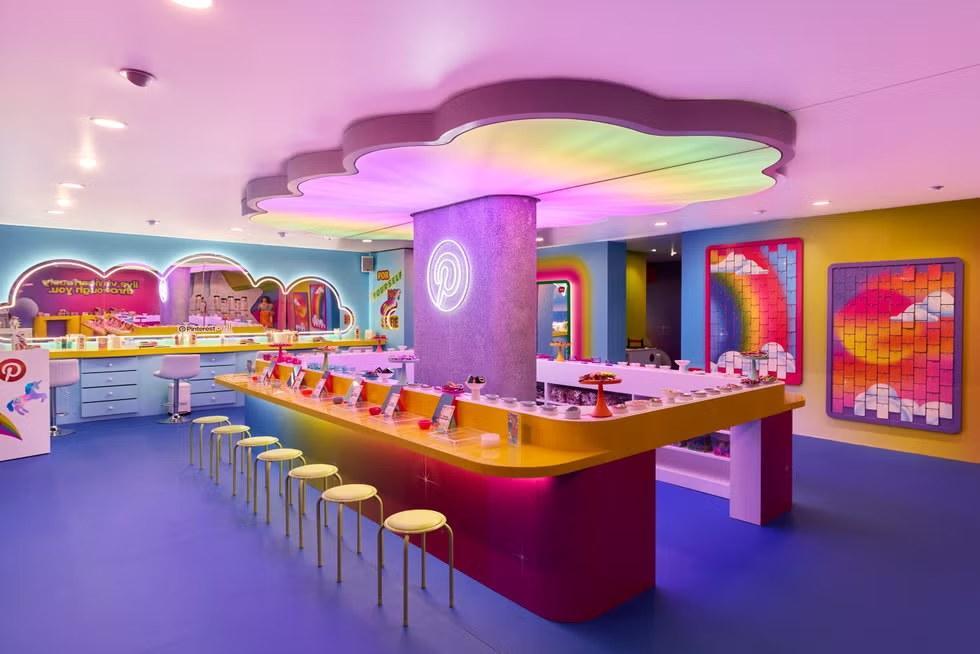
Photo: Courtesy of Pinterest.
Why it works specifically for Pinterest
Pinterest’s product is fundamentally about finding inspiration you act on later, offline. People save recipes to cook them, outfits to recreate them, projects to make them. A phone-free activation where you actually make a charm or design a postcard is the most literal possible version of that promise.
For a brand whose value proposition is the opposite, a streaming service, a platform built on constant capture, the same tactic would feel hollow. The test before borrowing it: can your brand credibly argue that putting the phone away is consistent with what you sell? If yes, this is one of the strongest moves available in 2026. If no, don’t try it.
What this means for activation work in 2026
Pinterest is part of a larger pattern worth naming. The most-talked-about activations of 2026 (the phone-free zone, Heineken’s Clinker, Rivian’s drive course, The Ordinary’s grocery store) all reduce the number of decisions the visitor has to make.
Three practical moves. Audit your activation for cognitive cost: if the visitor has to make more than two decisions to experience the brand, it’s probably underperforming. Ask whether removal is more interesting than addition. And accept that when the visitor isn’t performing, the fabrication carries the entire experience. A phone-free activation in a precisely built environment reads as a gift.
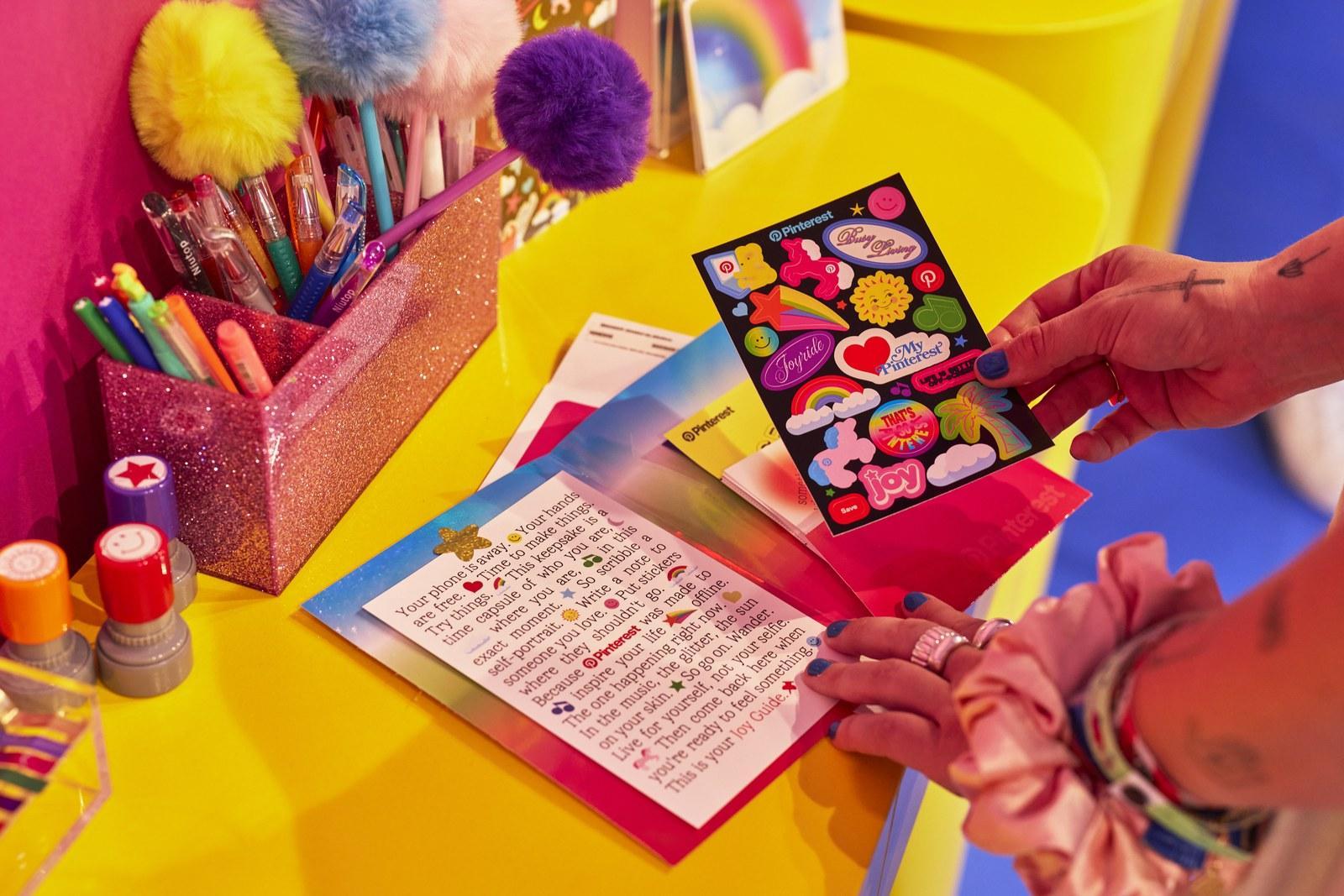
Photo: Courtesy of Pinterest.