SHEIN drew hour-long lines on Queen West. The lineup isn't the lesson.
SHEIN's four-day Toronto pop-up in the former Zara at 341 Queen Street West drew reported lines of around 200 people, built around six daily-rotating "trend installation" rooms. The lesson is not the crowd but the format levers behind it: scarcity,…
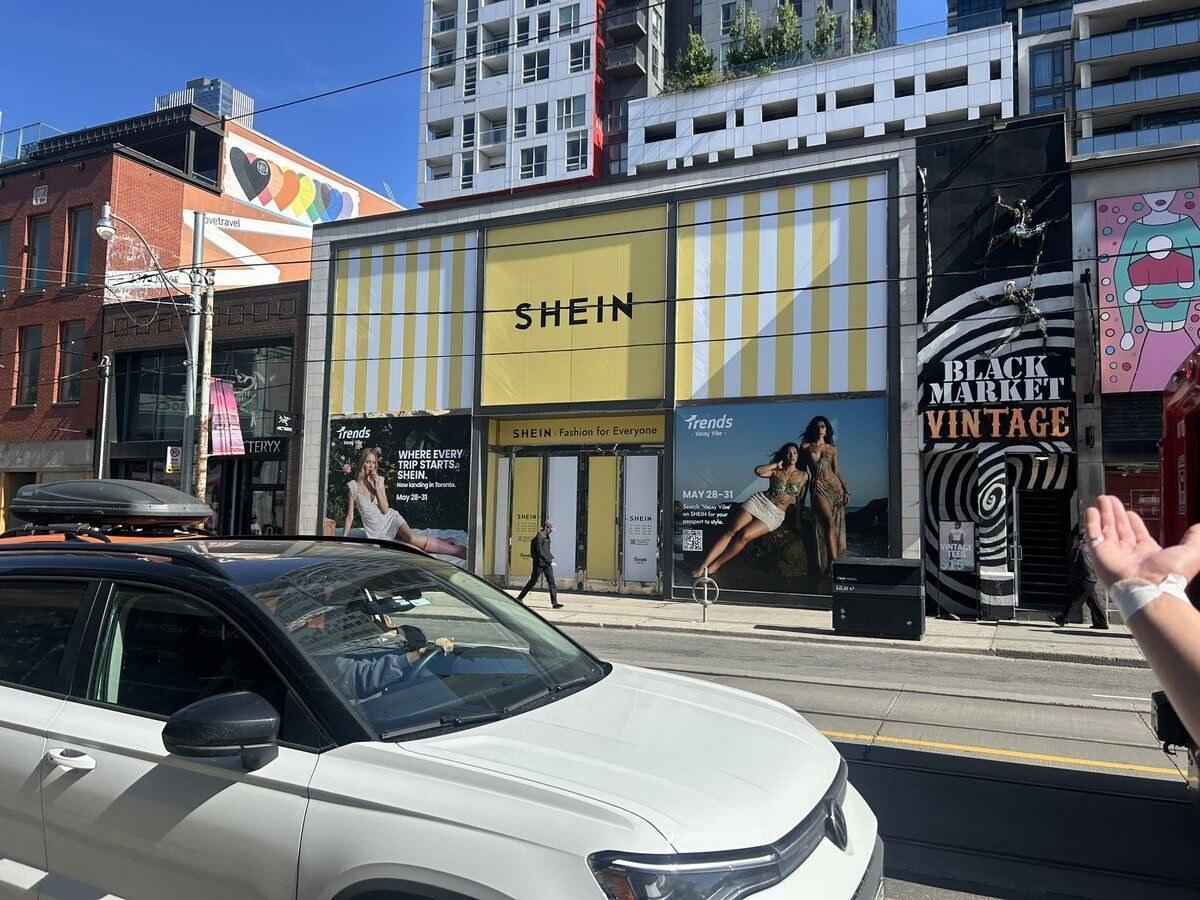
In brief. SHEIN's four-day Toronto pop-up in the former Zara at 341 Queen Street West drew reported lines of around 200 people, built around six daily-rotating "trend installation" rooms. The lesson is not the crowd but the format levers behind it: scarcity, discovery, and tactility drive footfall at any budget, and a premium brand can borrow those levers without borrowing the disposable churn underneath them.
For four days at the end of May, SHEIN took over the former Zara at 341 Queen Street West and turned it into a summer pop-up. By late morning on day one, the line was reportedly around 200 people deep and stayed that way. The fast-fashion giant built six "trend installations," themed mini-boutiques (Sunset Siren, Tropical Girly Pop, and others) with merchandise that rotated daily so no two visits looked the same. More than 2,000 people came through on day one alone, per a Globe and Mail count. The lines were real.
It is tempting, if you build premium experiences for a living, to dismiss this. Don't. The lineup is worth understanding precisely because the brand is the opposite of premium. Something pulled hundreds of people to a four-day store on Queen West, and it wasn't craft.
What the crowd was actually responding to
SHEIN's pop-up worked on three levers, and none of them was fabrication quality. The first is scarcity: four days only, merchandise rotating daily, so the message is "come now or miss it." The second is discovery: six themed rooms and a daily-changing floor set turn shopping into a treasure hunt with a reason to return. The third is the simple physical novelty of touching product from a brand most people only ever experience as an endless scroll on their phone.
That is the part premium brands should take seriously. The fabrication was not the draw. The format was. Time pressure, a reason to explore, and the chance to touch something you had only seen on a screen. Those levers work regardless of budget or taste level, which is exactly why they are worth studying. Tellingly, item tags in the store prompted shoppers to download the app and scan for trending products, so the physical room was engineered as a portal back to the feed, not a replacement for it.
Here is the honest tension, though, and it is the thing a thoughtful brand should weigh. SHEIN's model is built on volume and churn: disposable trends, daily rotation, get them in and out. The lines prove the format works for driving footfall and social posts. They prove nothing about whether anyone remembers the brand fondly a month later, or feels anything beyond the rush of a deal. A premium brand can borrow SHEIN's format levers (scarcity, discovery, tactility) without borrowing its hollowness. The difference is what happens after the line: does the visitor leave with a cheap thrill, or with a memory and a reason to come back.
There is a local angle here that the GTA should not miss. Toronto's Queen West is in the middle of a reinvention, with new transit on the way and a summer of tournament foot traffic about to arrive. The street is becoming one of the most contested pieces of retail real estate in the country, and four-day pop-ups are the format brands are using to test it cheaply before committing. SHEIN proved the lineup is available to anyone willing to engineer urgency in that location. The open question for premium brands is whether they will use that same foot traffic to build something with a second act, or simply run the SHEIN playbook with nicer fixtures and the same disposable result.
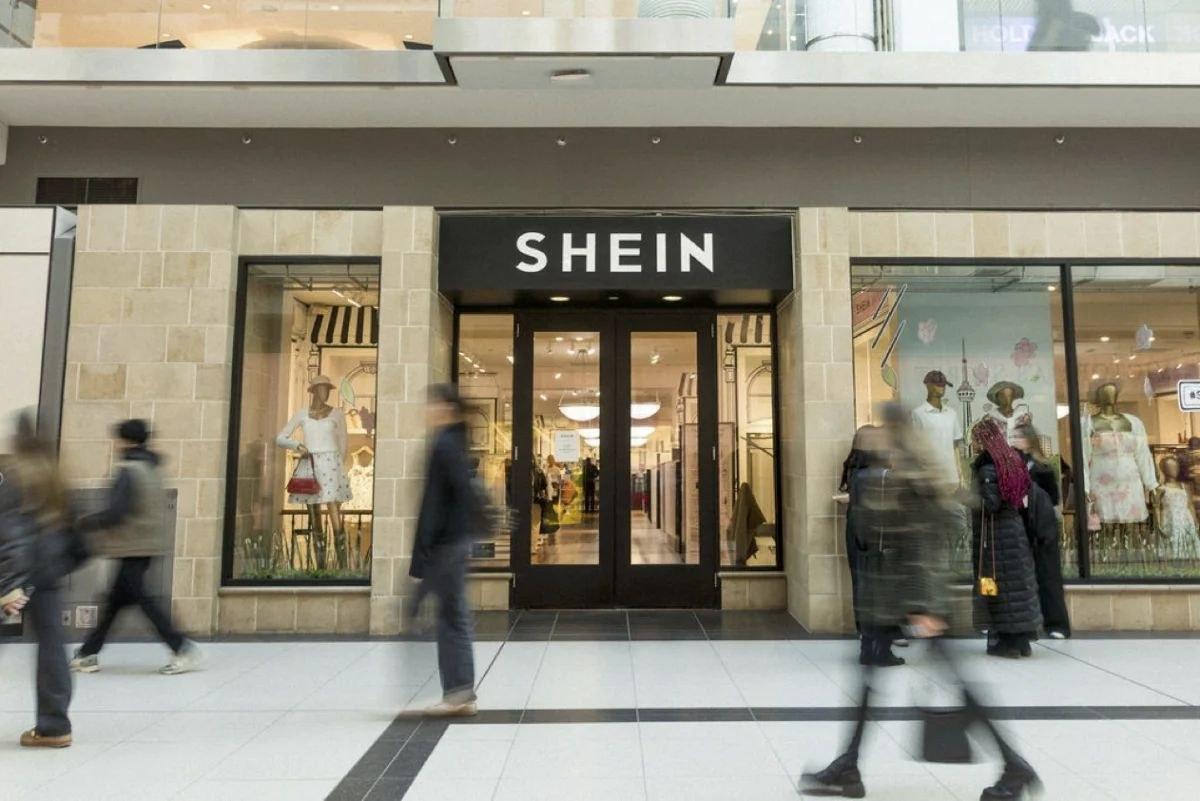
SHEIN storefront, brand retail environment — Photo: SHEIN storefront (representative retail image, not the Queen West pop-up).
What this means for activation work in 2026
One: the format levers are free to borrow. Scarcity, discovery, and tactility drive footfall at any budget. A limited run, a reason to explore, and something real to touch will pull a crowd whether you are SHEIN or a craft furniture brand. Steal the levers.
Two: a crowd is not the same as a memory. A line proves you engineered urgency. It does not prove the experience meant anything. The metric that matters for a premium brand is not how long the line was, but what the visitor felt and remembered after they left.
Three: tactility is the quiet winner. The most transferable insight from a digital-first brand going physical is that people are starved to touch things they have only seen on a screen. For any brand that lives mostly online, the physical, material, touchable activation is the one that breaks the pattern.
If you are building a GTA activation and the goal is genuine footfall, SHEIN's format is a real lesson in how to pull a crowd. The work worth doing is keeping the levers and replacing the churn with something a person actually remembers.