The Ordinary just built a fake grocery store in Toronto. The activation budget probably wasn't the point
The Ordinary’s Markup Marche pop-up in Toronto and five other cities is a fake grocery store where produce is priced like luxury beauty. It’s the sharpest 2026 example of an idea-led activation outperforming a budget-led one.
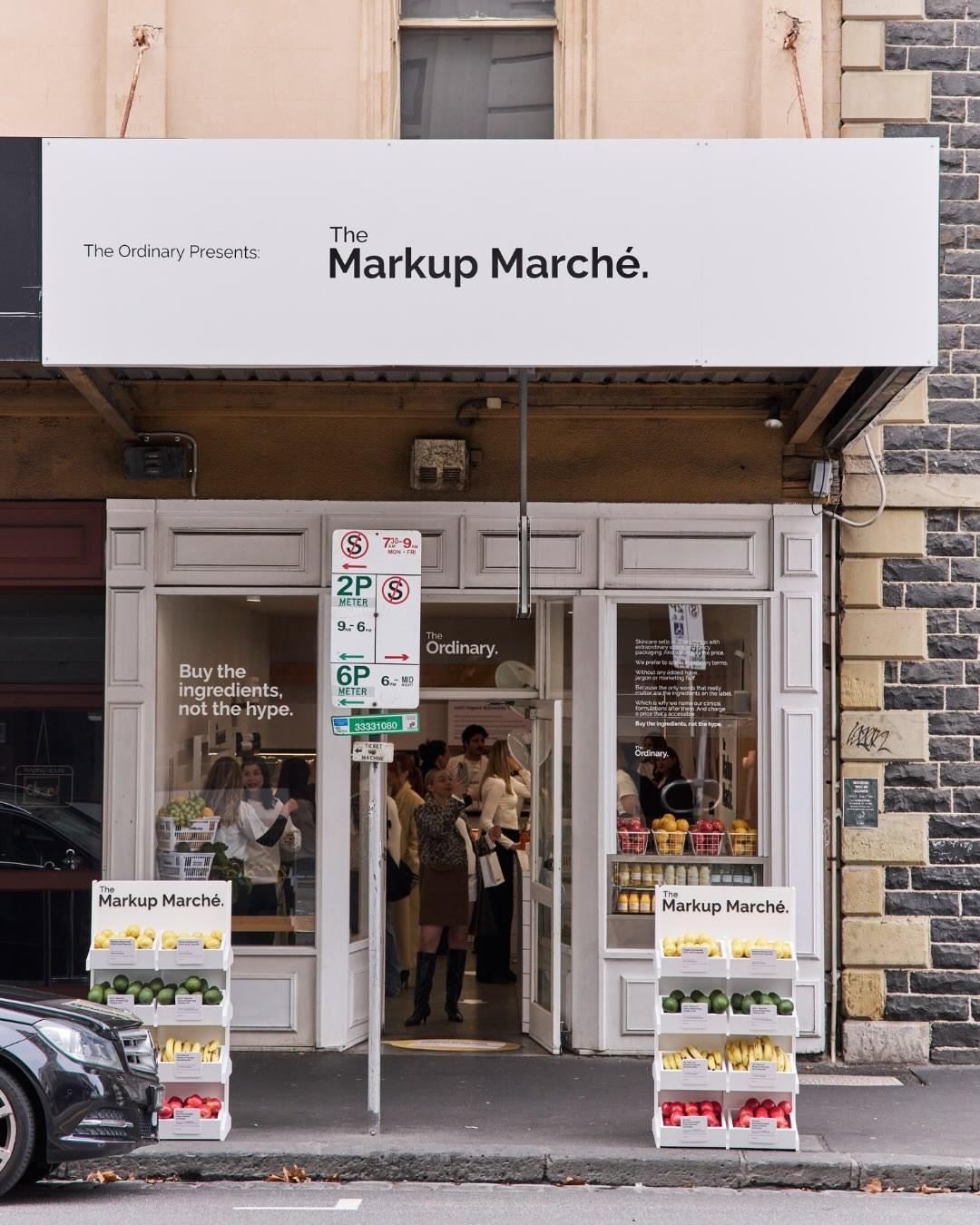
In short: The Ordinary’s Markup Marche, opened in Toronto and five other cities in May 2026, is a fake grocery store where everyday produce is priced and named like inflated beauty products: a $195.50 coconut labelled “Exotic Thirst Defying Hydration Vessel,” a $305.90 avocado as a “100% Natural Glow-Enhancing Vitality Orb.” It’s the sharpest 2026 example of an idea-led activation outperforming a budget-led one.
Photo: Courtesy of The Ordinary.
The Ordinary, the Toronto-born skincare brand built on plain-language ingredient labels and aggressive pricing, just opened a touring activation called The Markup Marche across six cities, including its hometown. The premise is simple to the point of being a joke: a fake grocery store where everyday produce is priced and named like inflated beauty products. A coconut for $195.50. An avocado for $305.90, marketed as a “100% Natural Glow-Enhancing Vitality Orb.”
That’s the entire activation. No AI. No immersive projection. No influencer lounge. The fabrication is shelving, signage, packaging mock-ups, and a checkout counter. The build cost, by global activation standards, is modest. It’s also the sharpest piece of activation work to come out of Toronto this year.
The idea is doing all the work
The Markup Marche works because the idea is so tightly wound that the build doesn’t have to do anything except not get in the way.
The argument is The Ordinary’s entire brand position made physical: the beauty industry inflates prices through marketing language, you wouldn’t accept this from your grocer, so why accept it from your skincare brand? That argument exists as a paragraph on the brand’s website. The activation converts it into something you walk through. You see the $305.90 avocado. You laugh. You get the point. You don’t need to read anything.
This is the test for whether an activation idea is good enough to fabricate: can a stranger walk in, spend ninety seconds, and leave with the brand’s argument fully intact in their head? If yes, the build can be modest. If no, no amount of fabrication budget will save it.
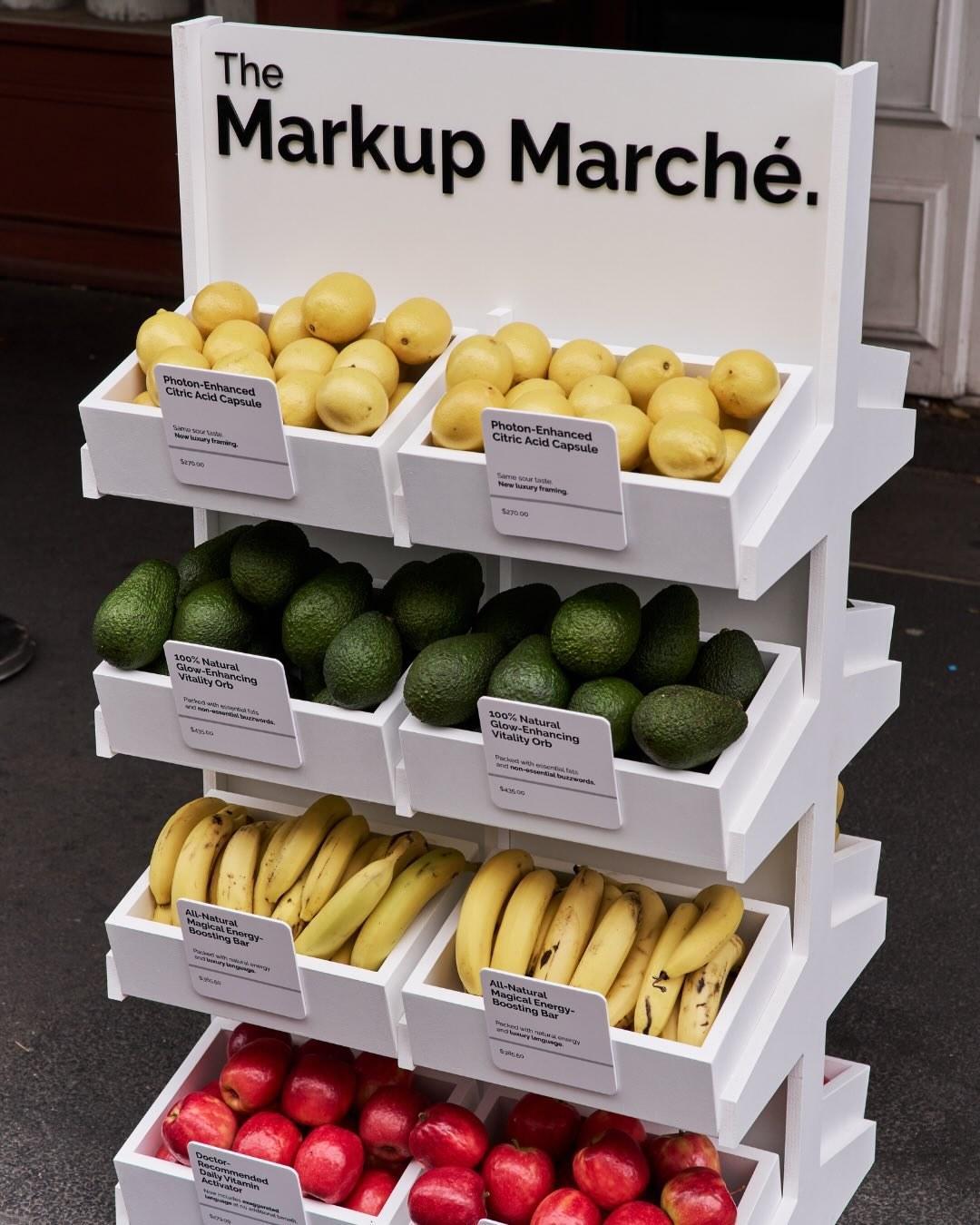
Photo: Courtesy of The Ordinary.
How you find ideas like this in a brief
Most agencies don’t generate Markup Marche-level ideas because the briefs don’t ask for them. The standard activation brief is a wishlist: “an immersive experience that drives awareness, generates content, supports sampling, and creates a memorable brand moment.” The activation that comes out of a wishlist is soft.
The briefs that produce sharp activations isolate a single, specific brand argument that can be made physical, and refuse to dilute it.
A useful exercise: take the brand’s best-known marketing claim and ask what it would look like if someone walked into a room and that claim became unavoidable in three dimensions. For The Ordinary, the claim was “the beauty industry overcharges through marketing tricks,” and the room is a grocery store with $195 coconuts.
What this means for activation work in 2026
Idea-led activations are getting more viable as spectacle declines, because the market now rewards sharpness over scale. The catch: the work is harder. You need a creative team willing to kill secondary objectives, a client willing to commit to one argument, and a fabrication partner who can execute simply but precisely.
Three practical implications. Push back hard on any brief with five secondary objectives: one objective at 100% beats five at 60%. Make sure the fabrication partner understands that modest doesn’t mean low quality. And be ruthless about cutting anything that isn’t serving the central argument.
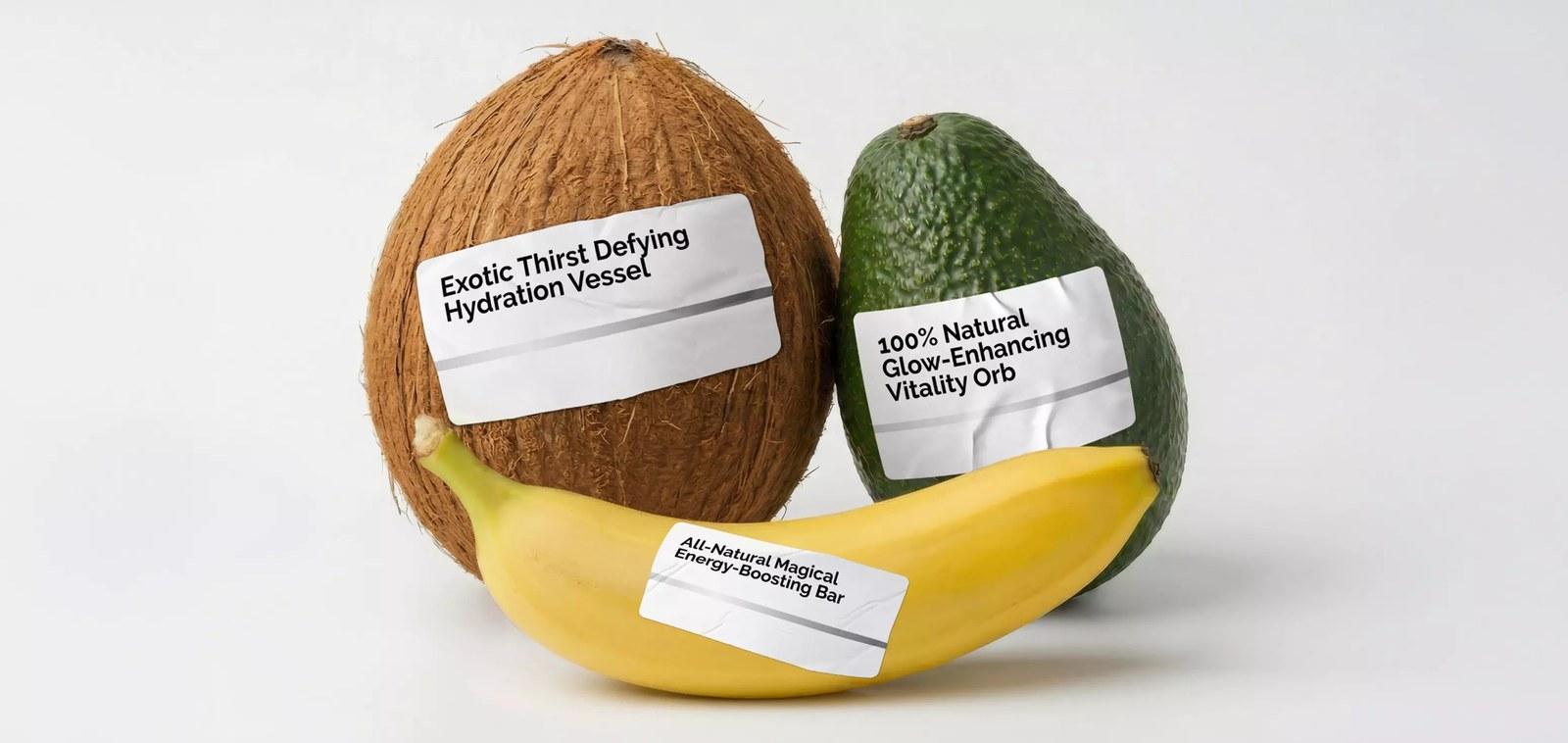
Photo: The Ordinary / Uncommon Creative Studio.