Tirtir's Matcha House SoHo sold out in 2 hours. What it tells you about beauty activation demand in 2026.
Korean beauty brand Tirtir’s three-day Matcha House pop-up in SoHo drew over 2,000 visitors with reservations sold out in two hours. Sensory beauty pop-ups are undersupplied in Toronto and replicable at mid-market budgets.
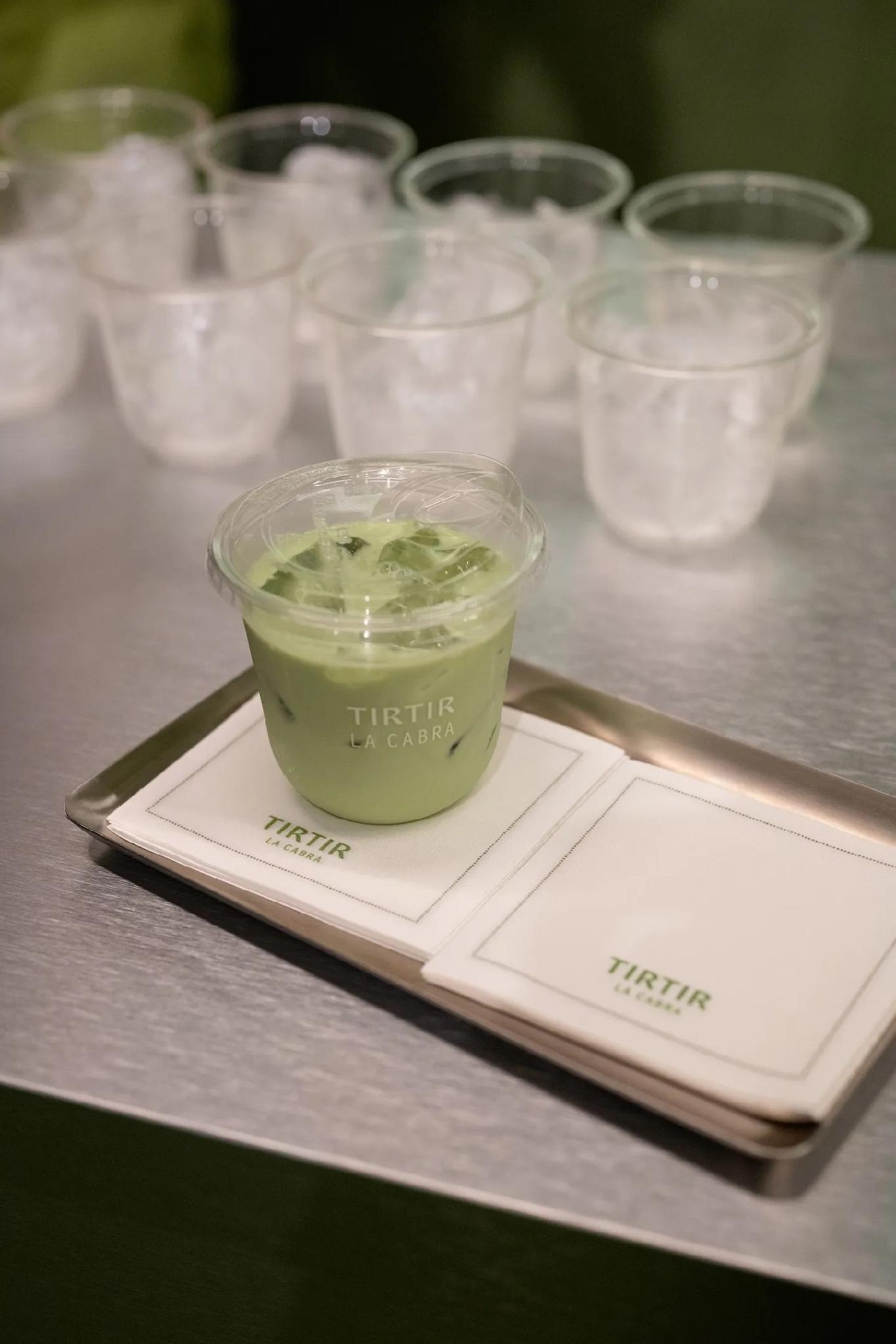
In short: Korean beauty brand Tirtir’s three-day Matcha House pop-up at 45 Grand Street in SoHo, April 3 to 5, 2026, drew over 2,000 visitors with reservations sold out in two hours. The format (single-ingredient, sensory-driven, idea-led) matches the pattern behind The Ordinary’s Markup Marche and Coachella 2026’s most-discussed activations. For GTA agencies, the signal is clear: sensory beauty pop-ups are undersupplied in Toronto and replicable at mid-market budgets.
Photo: Courtesy of TIRTIR.
In April, Korean beauty brand Tirtir opened a three-day immersive pop-up in SoHo called Matcha House. Two thousand people walked through. Reservations sold out in two hours.
The activation cost a fraction of the equivalent prestige-beauty build circa 2022. The production partner was a small Korean-affiliated agency called Another A Story. The aesthetic was clean, sensory, single-ingredient: Jeju-grown matcha, the hero of Tirtir’s new skincare line. No celebrity. No influencer house. The activation just smelled, looked, and felt like the product itself, scaled up to a room.
It’s the second sold-out beauty pop-up in a matter of weeks, after The Ordinary’s Markup Marche. For any activation agency in the GTA, that pair is the loudest demand signal of the year. Beauty pop-ups are currently undersupplied in the Toronto market. The window is open.
Why the format works now
The pattern across Matcha House and Markup Marche is the same one behind Coachella’s most-discussed builds: take the brand’s existing argument and turn it into a physical environment that proves the argument by existing.
For The Ordinary, the argument was “the beauty industry overcharges through marketing,” and the room was a fake grocery store with $195 coconuts. For Tirtir, the argument is “this line is built around the calming, balancing properties of Jeju matcha,” and the room smells, looks, and feels like Jeju matcha. The room is the proof.
The test is the same ninety-second one: if a visitor can’t leave with the brand’s argument fully intact in their head, the activation didn’t work. Matcha House passes. So did Markup Marche.
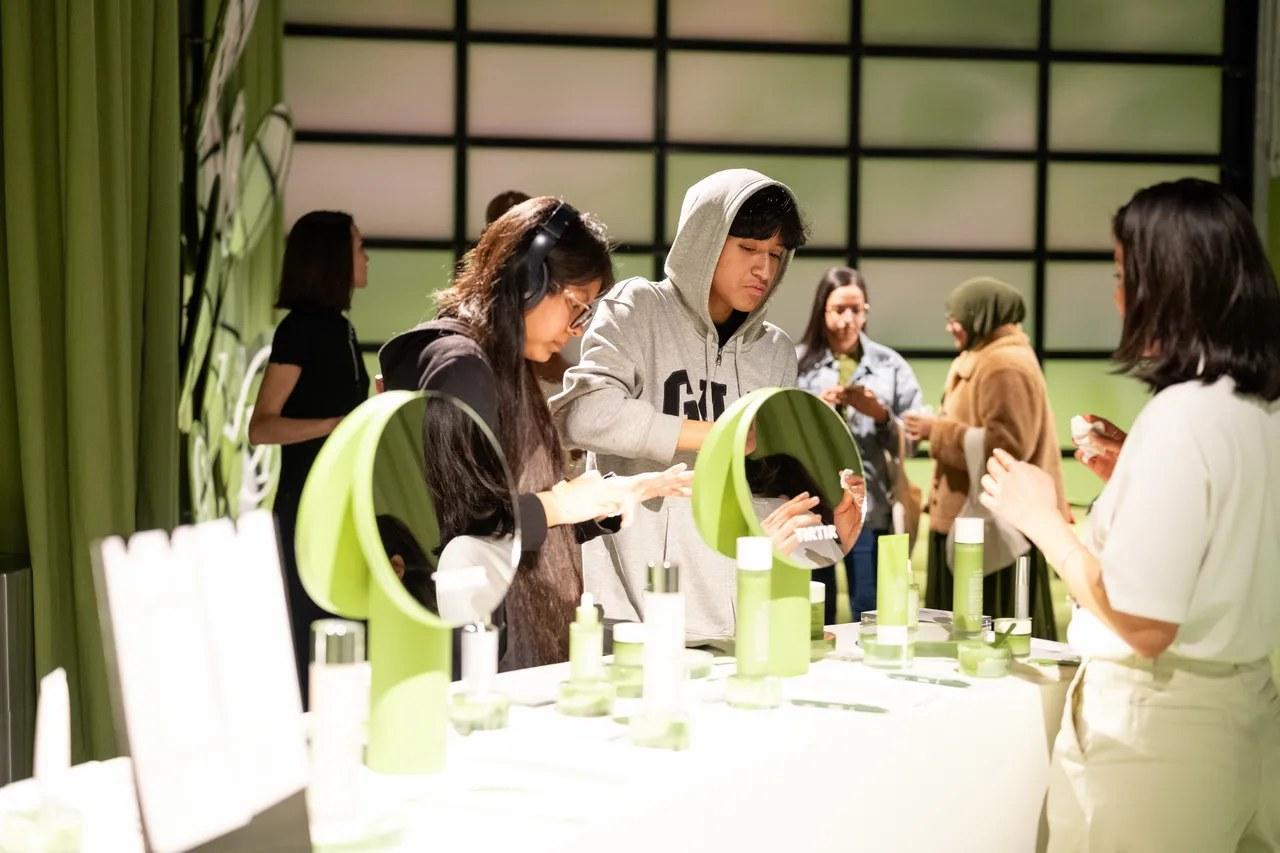
Photo: Courtesy of TIRTIR.
What this means for fabrication
The work Matcha House represents is heavier on fabrication than it looks.
Tirtir converted 45 Grand Street into a room that delivered scent, visual, and tactile cues consistent with the product. That kind of sensory consistency is a fabrication problem. The smell doesn’t happen by accident. The temperature doesn’t happen by accident. The way light falls on the ingredient displays doesn’t happen by accident. Every one of these is a fabrication decision made at the design stage, not the spec stage, which is why the fabrication partner has to be in the room when the concept is shaped.
Toronto has the demand side covered. It’s one of the largest beauty markets in North America: Deciem is headquartered here, Sephora just signed its first Canadian jersey deal with the Toronto Tempo, and Estee Lauder, MAC, and Bite all have major Canadian presence. What the market hasn’t seen yet is a mid-market brand commissioning a single-ingredient sensory pop-up at Tirtir’s level of precision.
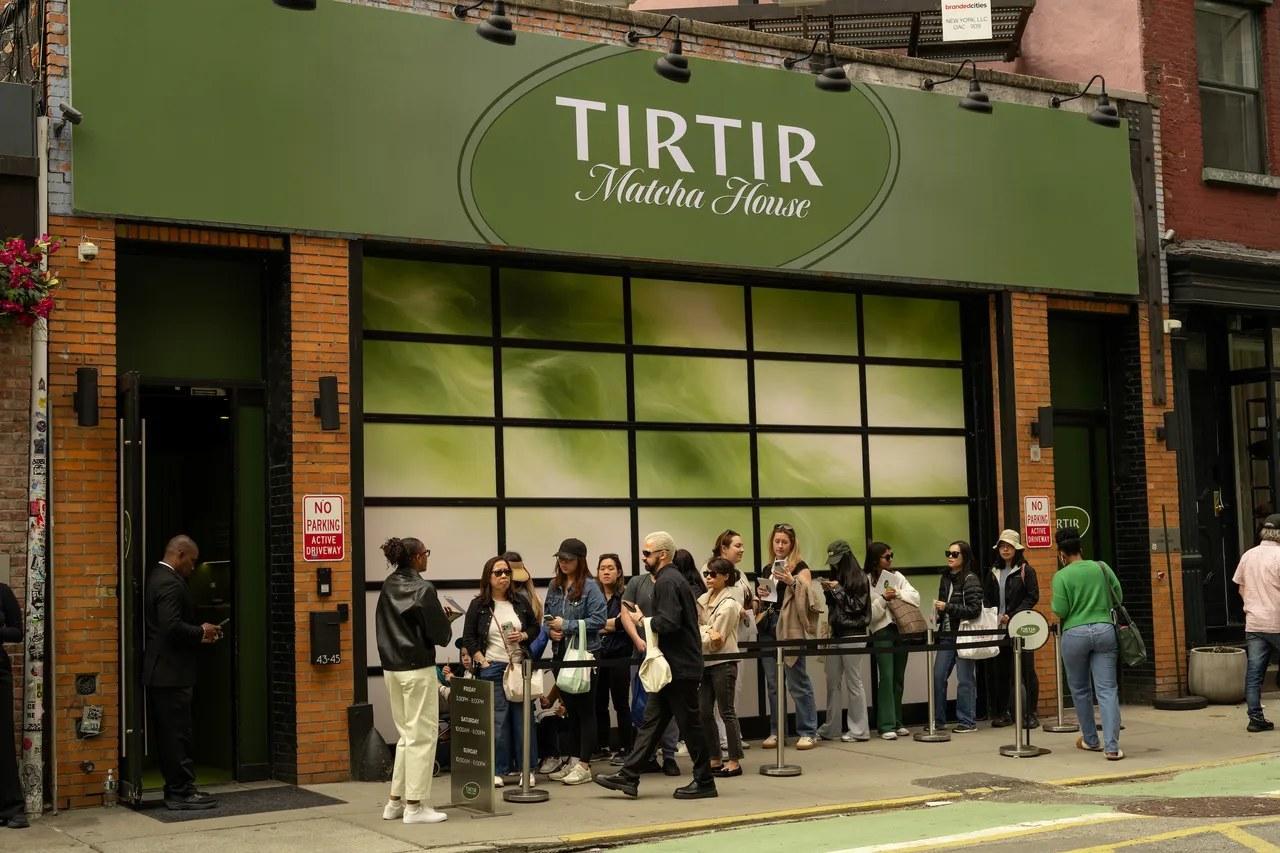
Photo: Courtesy of TIRTIR.