 Sign In
 4 min4 min read

Sandbag Castle turns a low-carbon concrete trial into the installation
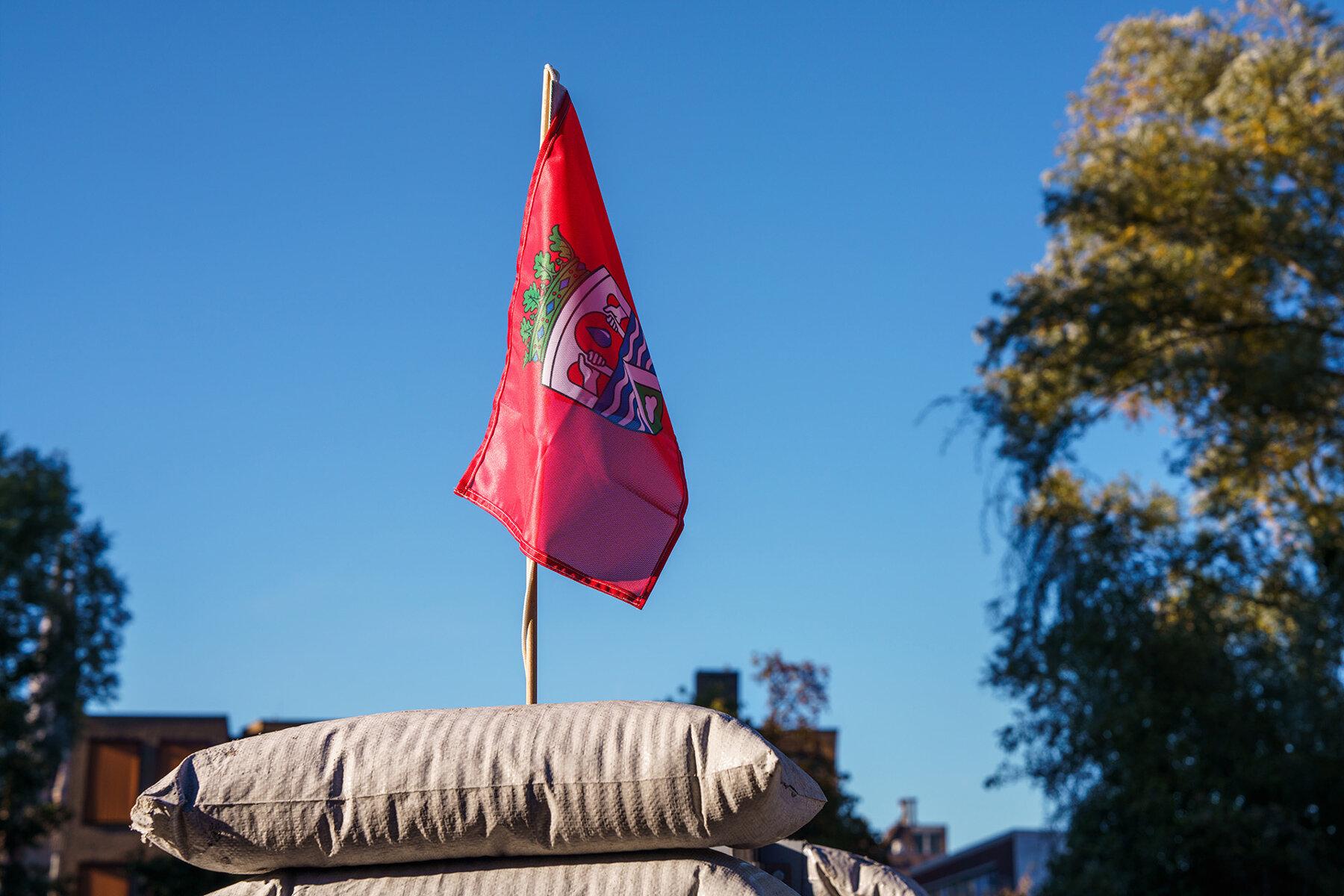
Visual artist Yvonne Mak’s Sandbag Castle was set afloat in the Dommel river beside the Van Abbemuseum in Eindhoven: about 5 metres wide and 3 metres high, stacked from hundreds of concrete modules shaped like sandbags and topped with red warning flags. According to the project’s designboom submission, it brings together more than ten low-carbon concrete variants, including calcined clay and geopolymer mixes, with main partner TBI. No emissions figures are published. The lesson: a material trial can be the brief.
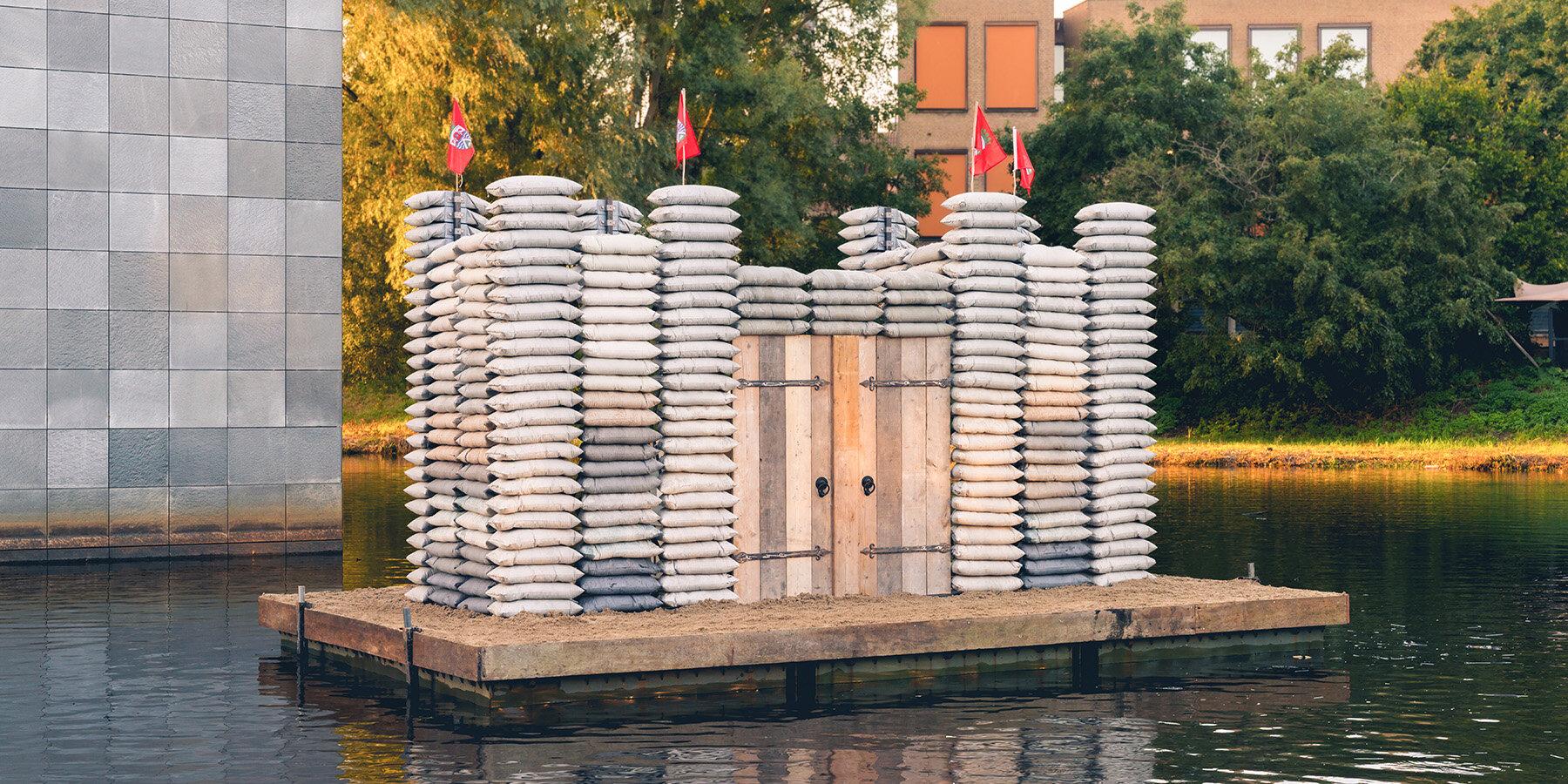
In brief. Visual artist Yvonne Mak’s Sandbag Castle was set afloat in the Dommel river beside the Van Abbemuseum in Eindhoven: about 5 metres wide and 3 metres high, stacked from hundreds of concrete modules shaped like sandbags and topped with red warning flags. According to the project’s designboom submission, it brings together more than ten low-carbon concrete variants, including calcined clay and geopolymer mixes, with main partner TBI. No emissions figures are published. The lesson: a material trial can be the brief.
Low-carbon concrete can reach a brief as one line in the spec. Yvonne Mak made it the whole piece.
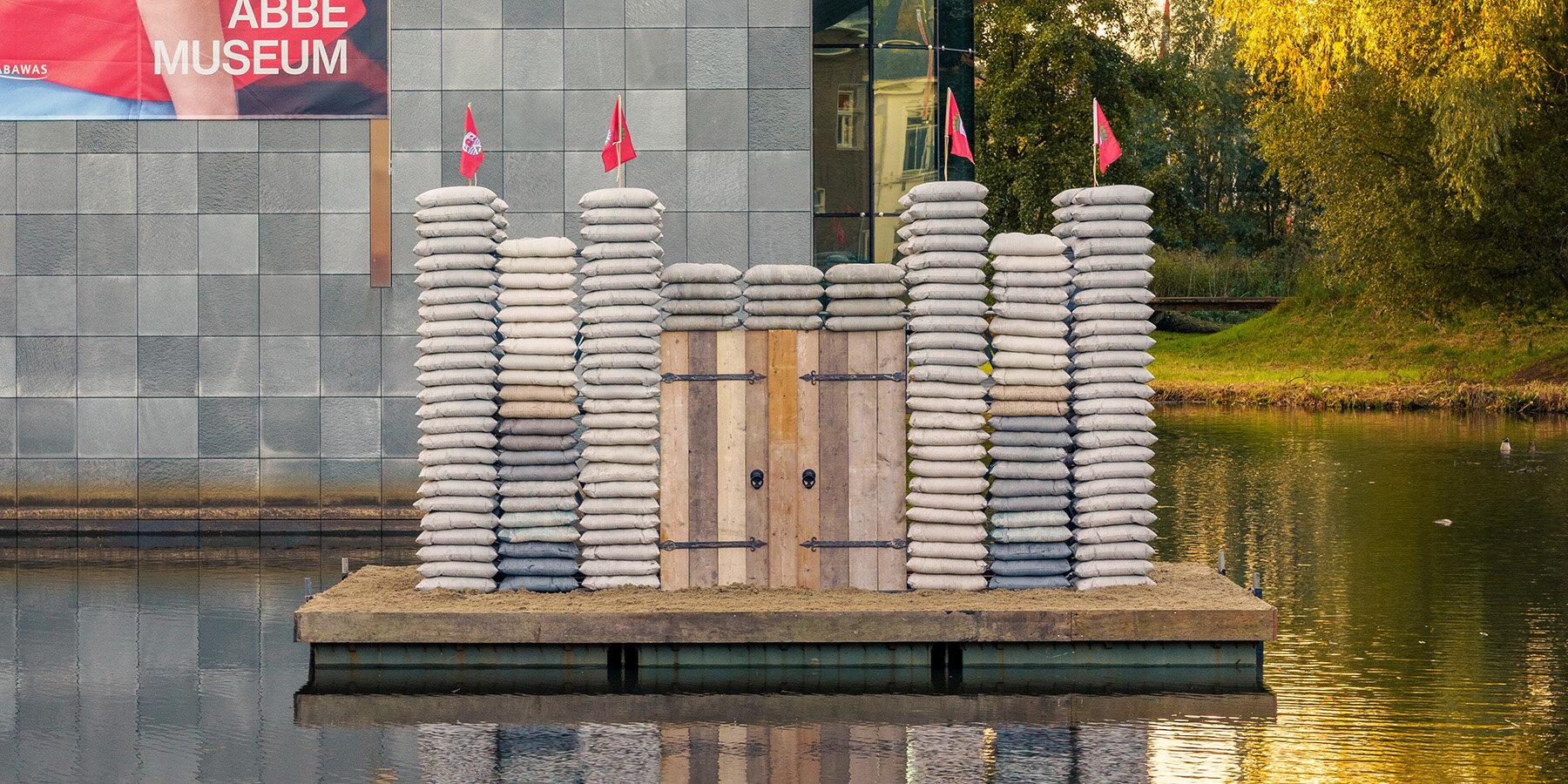
Her Sandbag Castle, published by designboom on October 20, was set afloat in the Dommel river beside the Van Abbemuseum café in Eindhoven. It’s about 5 metres wide and 3 metres high, built from hundreds of concrete modules shaped like stacked sandbags, with red flags on top. The project came in through designboom’s DIY submissions, so the details are the artist’s own. The submission doesn’t say how long it’s on view.
 Shop Objects
 Explore our curated brand essentials
What’s in the stack
Per the submission, the castle brings together more than ten low-carbon concrete variants. Only some are named:
Calcined clay
Alternative binders
Geopolymer concrete
Recycled aggregates
Self-healing concrete formulations
The main partner is TBI, alongside material and technology contributors who aren’t named. The stated aim is to show existing and emerging ways to cut the CO2 emissions of concrete construction. No figures are given for any mix, so we won’t claim a saving.
The submission explains the shape. Per the submission, sandbags stand for temporary flood defence, and the red flags borrow from beach safety warnings. The flags carry a custom coat of arms with symbols for water, bridges, plants and hands.
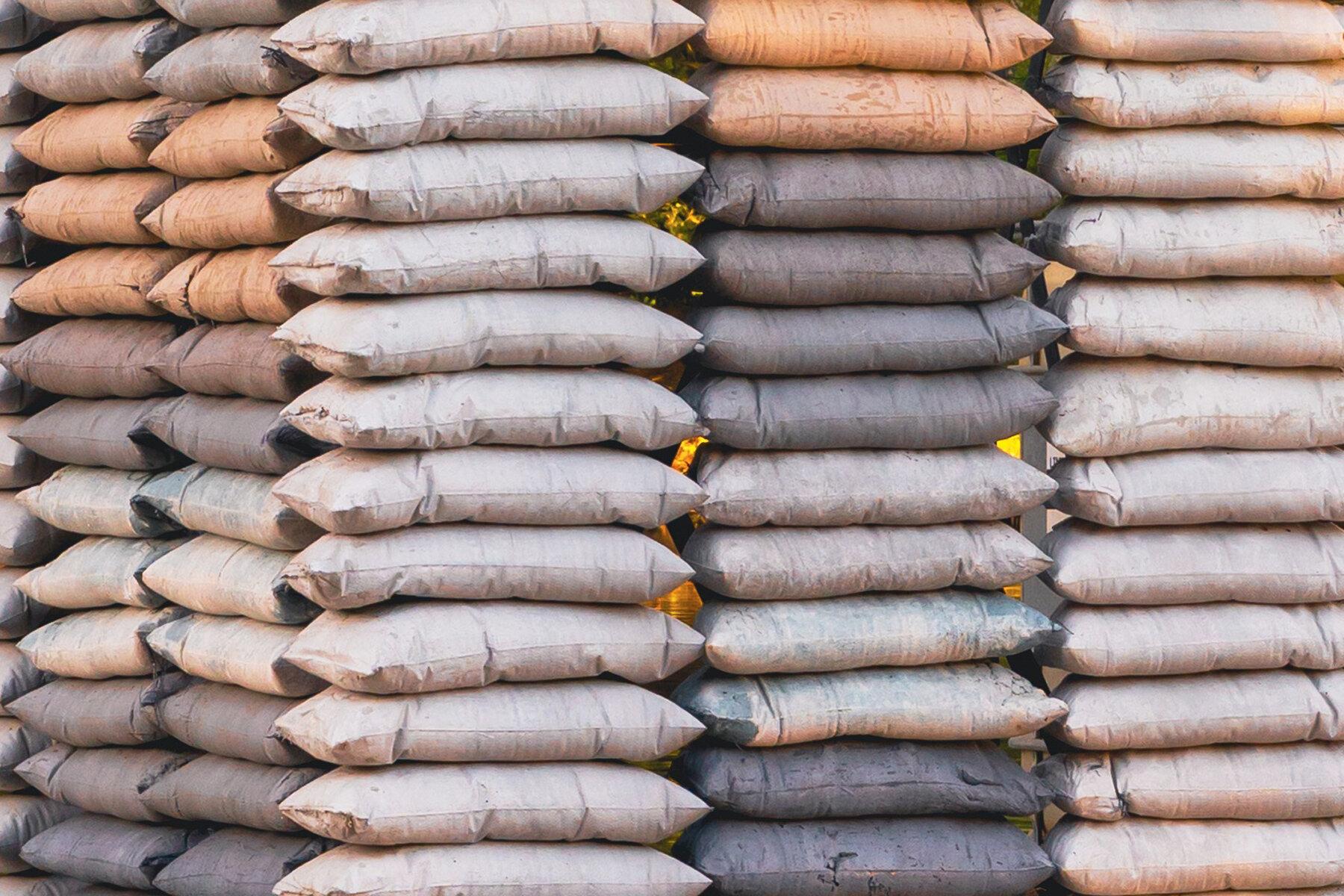
In Martijn Hermans’ photos, the modules come in several tones, from pale grey to sand to blue-grey, and the close-ups show a woven, sack-like texture on each one. The castle sits on a sand-covered floating platform, with timber double doors on iron strap hinges. Our guess is that the tone shifts track the different mixes, but the submission doesn’t say which module is which.
The trial is the brief
What we like here: the experiment isn’t hidden behind a finish. More than ten mixes sit side by side at full size, outdoors, on water, where they’ll weather in public.
For brands with a sustainability commitment, that’s a useful model. Instead of one wall in one material with a claim on a sign, show the options next to each other and let people see the differences. A lobby, a plaza or a trade show booth could hold a version of this, built from a set of test panels. Label each panel with what changed in the mix and what the supplier’s data sheet says.
The claims stay small, too. Mak’s piece names the mixes and the partner and publishes no numbers. We’d copy that until the supplier hands you data you can stand behind.
 Get a QuoteRequest your personalized project
What to ask about low-carbon materials
Brience is a Toronto-based custom fabrication and experiential design studio, and this is the conversation we’d want early on any brief that mentions recycled or low-carbon materials. Here’s what we’d ask a supplier, and what you should expect your fabricator to answer:
What’s swapped out? Which part of the mix changes, the binder, the aggregate or both, and what does the supplier’s data sheet say?
Can we see it at size? A full module or panel, not a chip, under the light the space will have.
How does it finish and weather? Colour, texture and how it looks after weeks outdoors or under handling.
Does it cure and ship on the usual schedule? Ask before the timeline is set.
What happens after the event? Reuse, return or recycling, agreed up front.
What can we claim? Only numbers the supplier will put in writing.
Get a QuoteRequest your personalized projectMak’s castle is in Eindhoven, but the questions travel. A GTA brand planning a sustainability-led launch could show its own material options the same way, as long as the claims stay as modest as the data allows.
If your brief mentions low-carbon or recycled materials, ask us for samples before the renderings.
Source: designboom, “sandbag castle casts sustainable concrete alternatives into floating installation in eindhoven” (October 2026), a DIY submission by the artist. Photography by Martijn Hermans.