 Sign In
 5 min5 min read

The render said walnut: where the gap between render and build opens
A render can show anything. The gap between it and the build opens in five places: a loosely named material, an unsampled finish, a part never tested at full size, a quiet swap, and a fit first tried on site. Anish Kapoor chose Cloud Gate's fabricator from a polished steel sample, and a third of it was trial-assembled before it shipped. The Kelpies' makers agreed their panel swap on paper. Sign shop drawings, hold the material, mock up what people touch, and ask for a dry fit.
In brief. A render can show anything. The gap between it and the build opens in five places: a loosely named material, an unsampled finish, a part never tested at full size, a quiet swap, and a fit first tried on site. Anish Kapoor chose Cloud Gate's fabricator from a polished steel sample, and a third of it was trial-assembled before it shipped. The Kelpies' makers agreed their panel swap on paper. Sign shop drawings, hold the material, mock up what people touch, and ask for a dry fit.
When Anish Kapoor went looking for someone to build Cloud Gate, the 110-ton steel sculpture in Chicago's Millennium Park, he chose by holding the material. Ethan Silva of Performance Structures Inc. (PSI) in Oakland made him a smoothly curved, polished sample about two by three metres. Kapoor had been searching for two years, Silva told The Fabricator, and told him he was the only one who'd done it.
Most custom builds skip that moment. A render can show anything. The gap between what a client approves and what arrives at install opens in a few predictable places: a material named loosely, a finish nobody sampled, a part nobody tested at full size, a swap made quietly, and a fit first tried on site. Brience is a Toronto-based custom fabrication and experiential design studio, and these are the places we'd check on any brief, from a pop-up counter to a lobby installation. Two famous sculptures show what closing them looks like.
 Shop Objects
 Explore our curated brand essentials
Cloud Gate: the finish was the design
Kapoor wanted a surface like liquid mercury, with no visible seams. PSI rolled each 316L stainless steel plate on a three-dimensional roller it built for the job, to within 0.01 inch of the required curve. Before anything left Oakland, about a third of the plates and the interior structure went up in a trial fit-up, so the team knew the pieces would fit in Chicago. The plates were polished to a mirror finish and covered in protective film before they were trucked east.
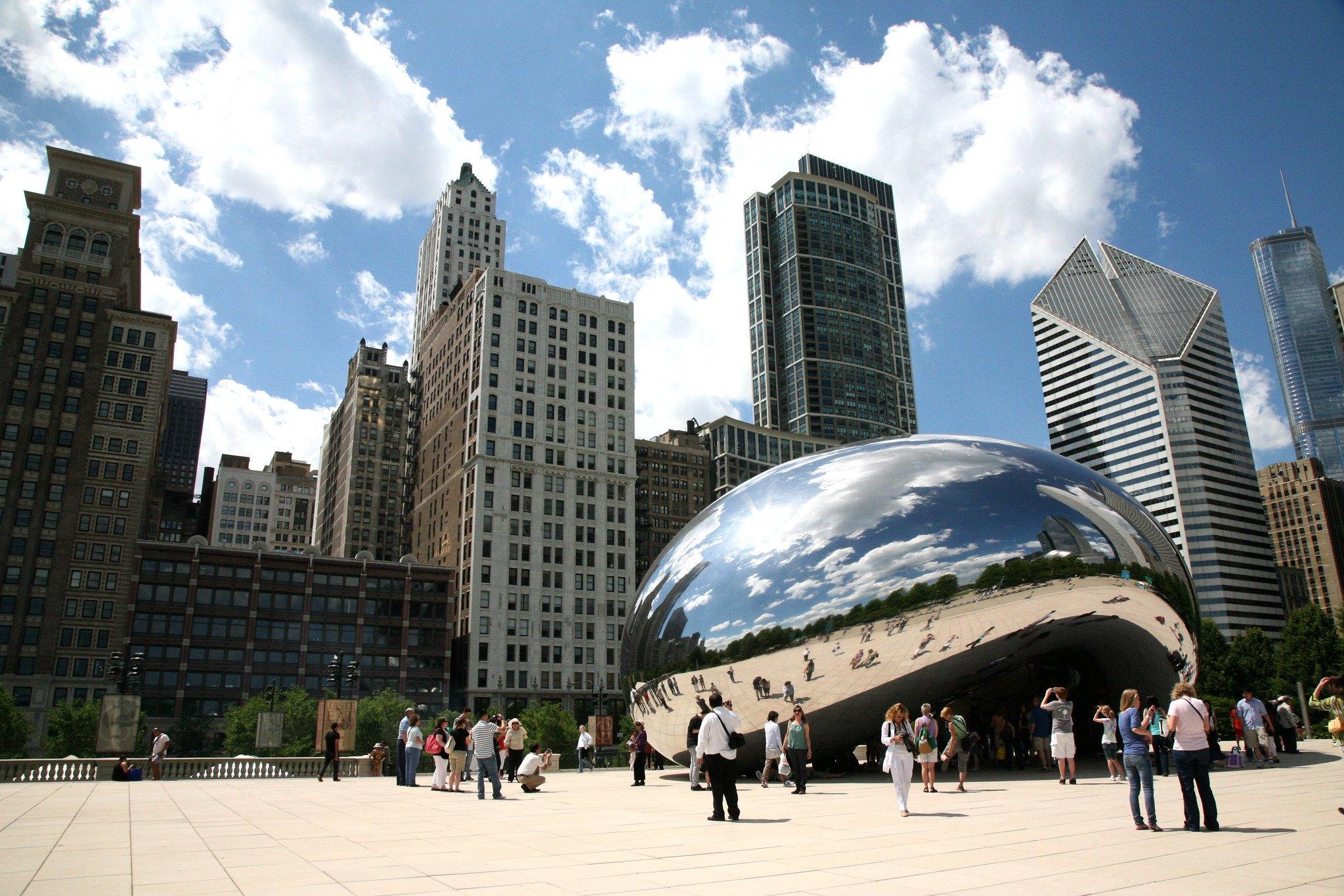
The seams were the hard part. MTH Industries, which assembled and welded the shell on site, said peers had warned it that a mirror finish on welded stainless steel couldn't be done in the field. When the park opened in 2004, the seams were still visible. The tent went back up the following January so crews could grind and polish every weld through a 12-step process that ended with a rouge likened to jeweller's polish.
The lesson isn't about steel. The finish is part of the design, so name it, sample it, and agree where it gets made: in the shop, or on site, where it's harder.

 Get a QuoteRequest your personalized project
The Kelpies: agree the swaps on paper
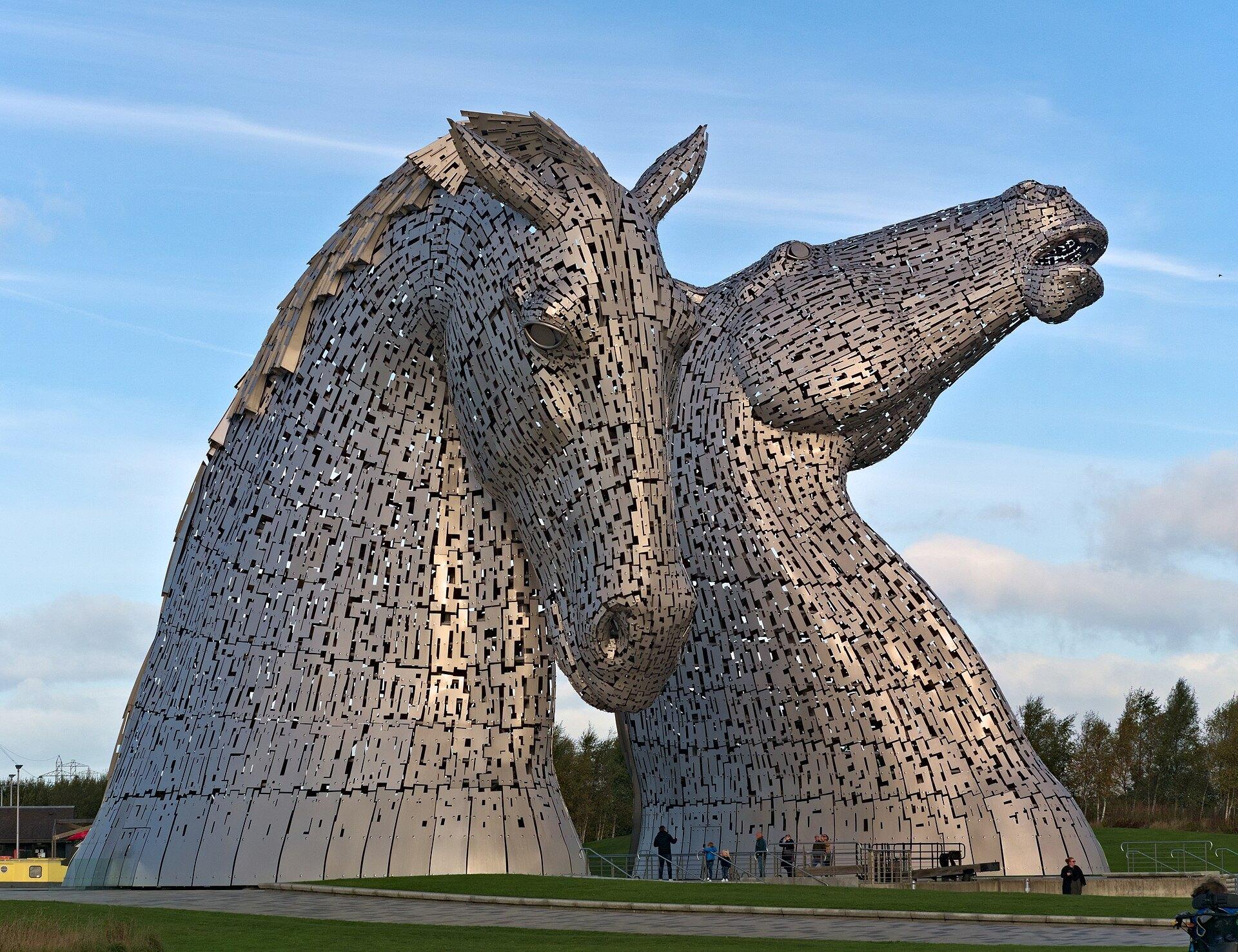
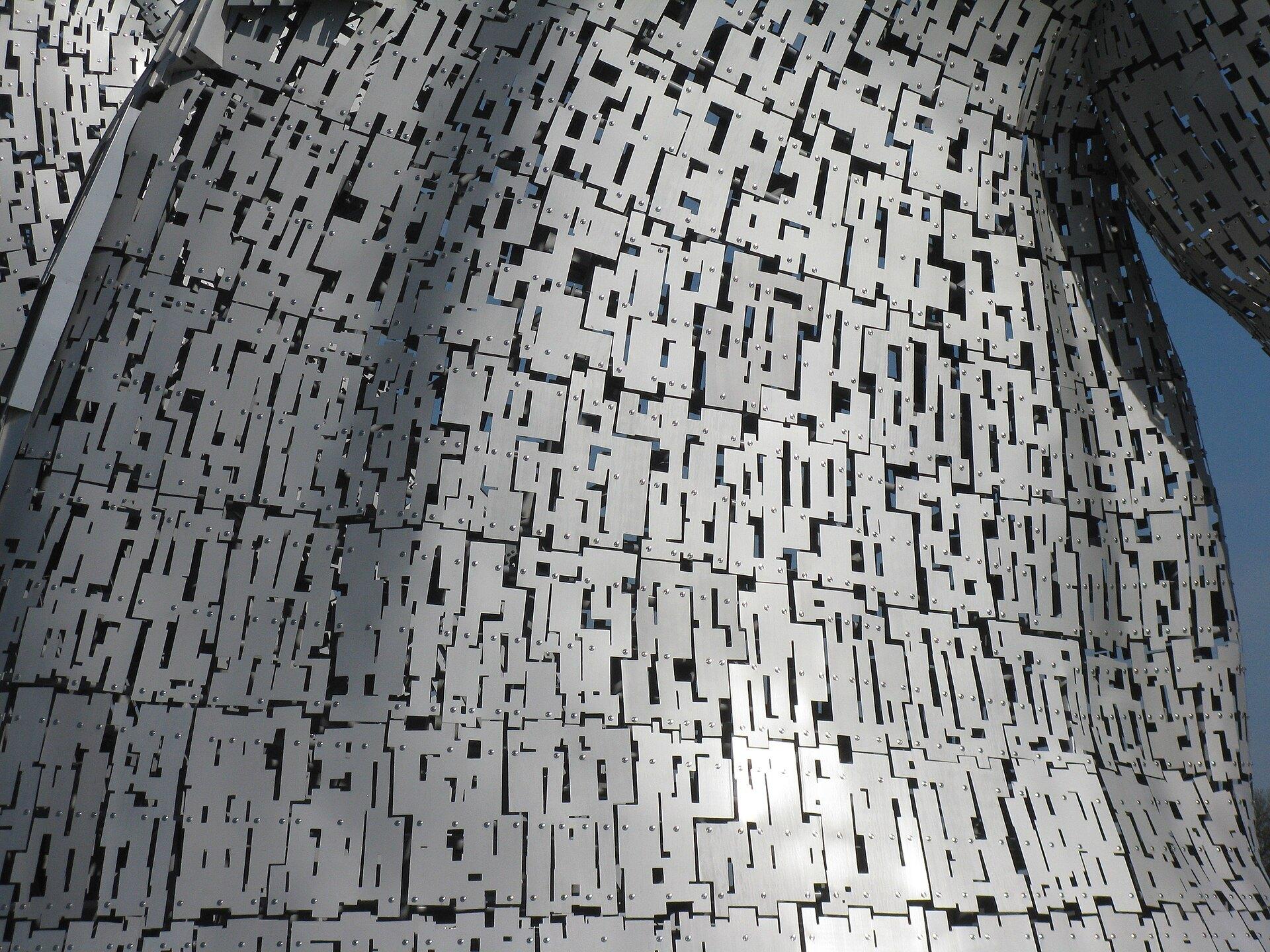
Andy Scott's two 30-metre horse heads beside the M9 near Falkirk started as a pair of tenth-scale models, welded from hundreds of small steel plates. The full-size skin is different: 6 mm stainless panels, much larger than the models' plates, laser-cut so they read as small plates from a distance, according to New Steel Construction. Engineer Jacobs and steelwork contractor SH Structures also replaced the frame's plate diaphragms with steel stubs, saving about £750,000.
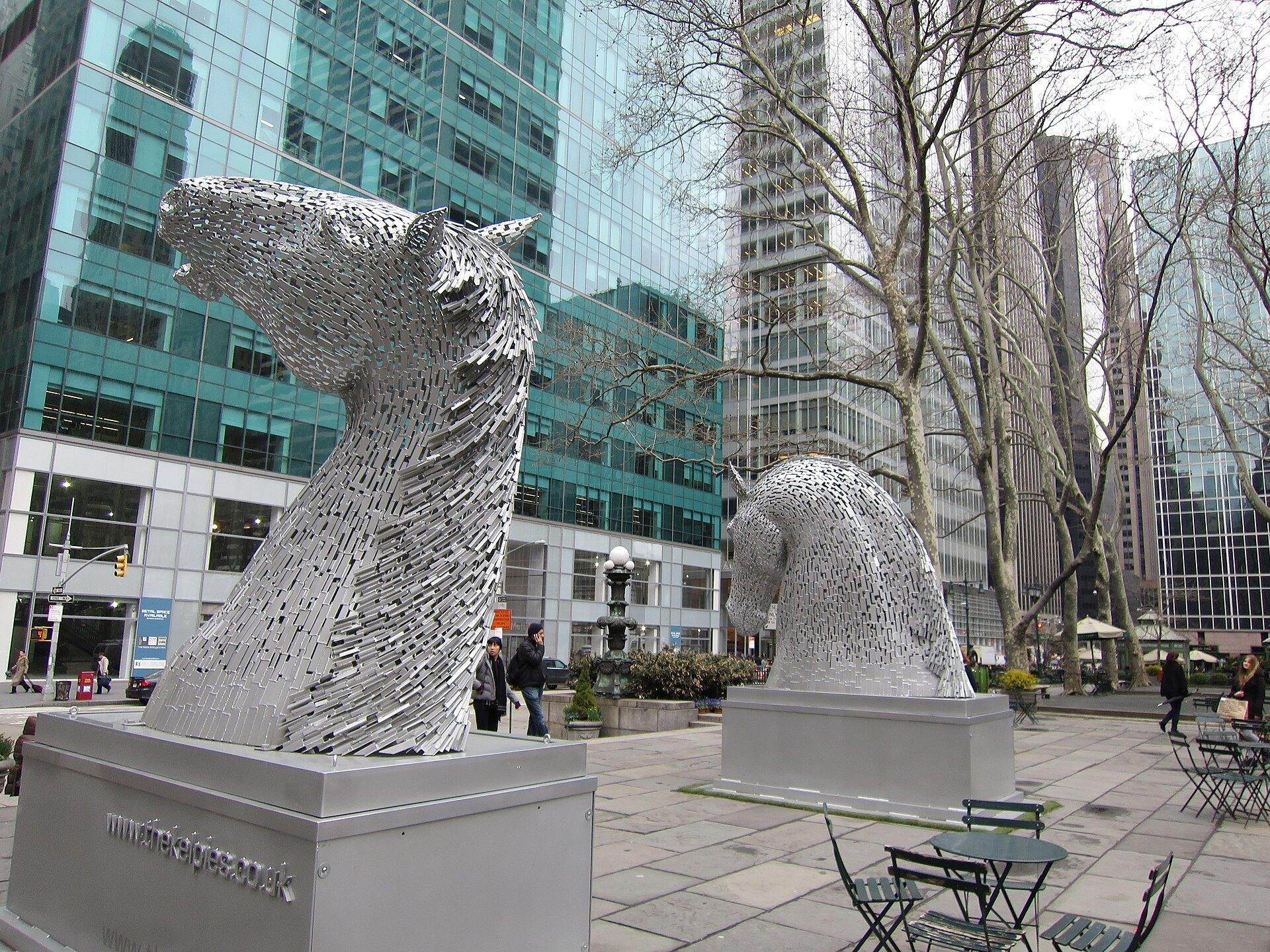
None of that was hidden. A shared BIM model kept the consultants, the cost consultants and the sculptor on the same information, and the team produced nearly 2,000 fabrication drawings. Trial-erecting whole heads wasn't practical, so adjacent sub-frames were matched in the shop to fit first time on site. Even the finish was chosen for its setting: stainless supplier Outokumpu says the steel was picked partly so the heads wouldn't distract passing drivers with glare.
Six checks before you sign off a build
Sign shop drawings, not renders. If a material or finish isn't named on the drawing, it hasn't been decided. "3 mm brushed aluminium composite" can be checked. "Metal finish" can't.
Hold the material. Ask for a sample and look at it under light like the venue's.
Test the part people touch at full size. A counter edge, a handle, a tray: a cheap mock-up settles proportions faster than a meeting.
Agree substitutions up front. Some are forced. The MTCC's fire regulations prohibit foam core, Styrofoam, gatorboard and corrugated plastic, so a render that relies on them will change for a show there. Better to know before approval than at load-in.
Ask for a dry fit. PSI's trial fit-up and the Kelpies' matched sub-frames did the same job: a problem found in the shop costs less than one found at the venue.
Check it through a phone. If the build will be photographed more than it's seen, look at samples on camera. Gloss shows reflections and fingerprints, and event lighting shifts how brand colours read.
Get a QuoteRequest your personalized projectIf you're about to approve a build and want a second read of the drawings, send them to us. Our guide to hiring a fabricator in Toronto covers briefs, quotes, timelines and venue rules.
Sources: The Fabricator, "Metal fabricating 'The Bean' in a new millennium" (November 2006); New Steel Construction, "Award: The Kelpies, Falkirk" (July 2014); Outokumpu, "Making of The Kelpies" (supplier case study); Metro Toronto Convention Centre, "Fire Regulations for Exhibitors" (2023-24).