 Sign In
 5 min5 min read

Design-and-build or build-only: which one does your project need?
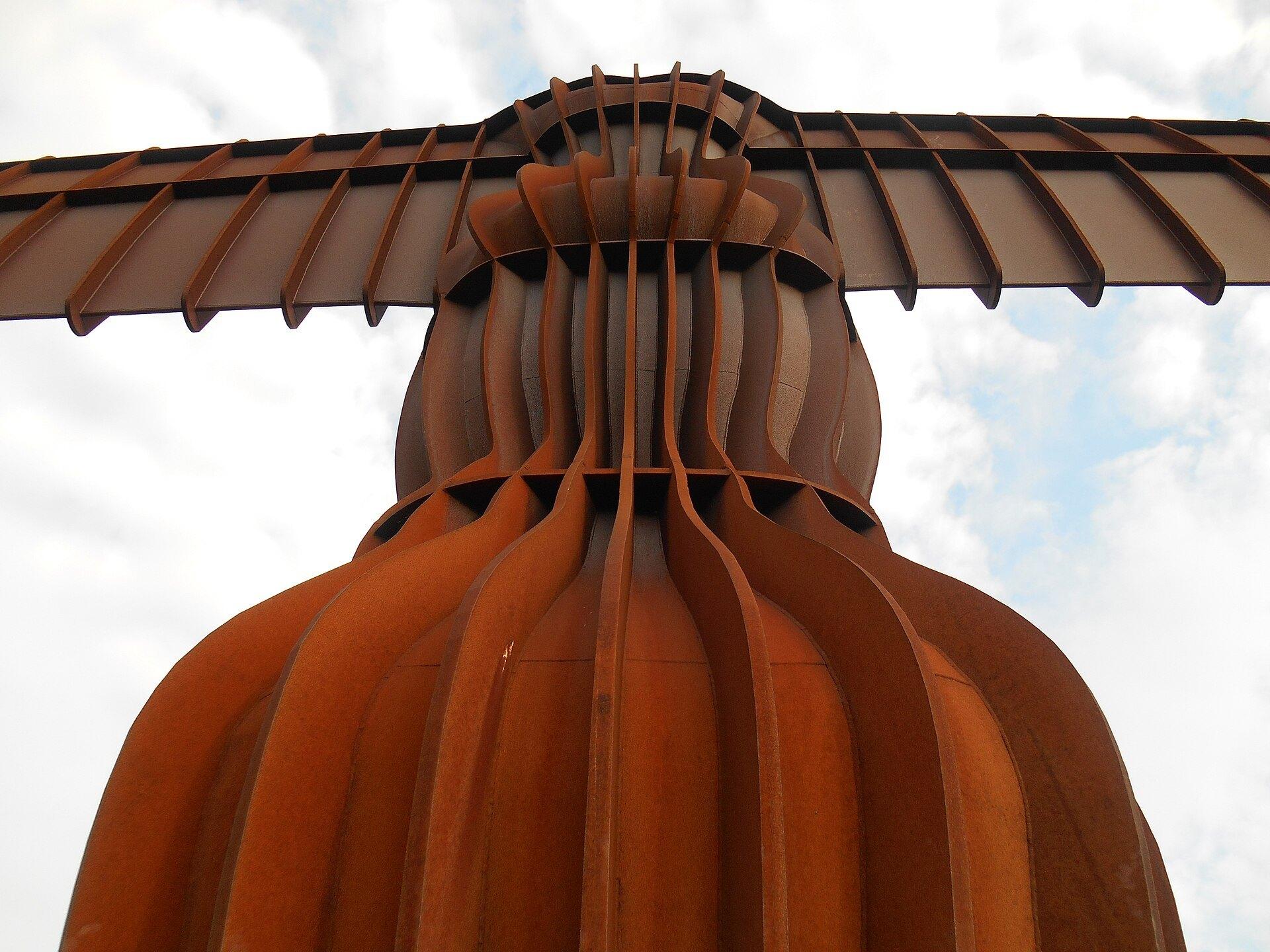
It depends on what you already have. With locked drawings or detailed renders and a designer who'll answer questions, hire build-only: the Angel of the North was Gormley's design, engineered by Arup and built by Hartlepool Steel Fabricators. With a sketch or a toolkit, design-and-build puts the maker in the room early, as Weta Workshop did for Te Papa's Gallipoli figures. Either way, ask who draws the shop drawings and who signs them.
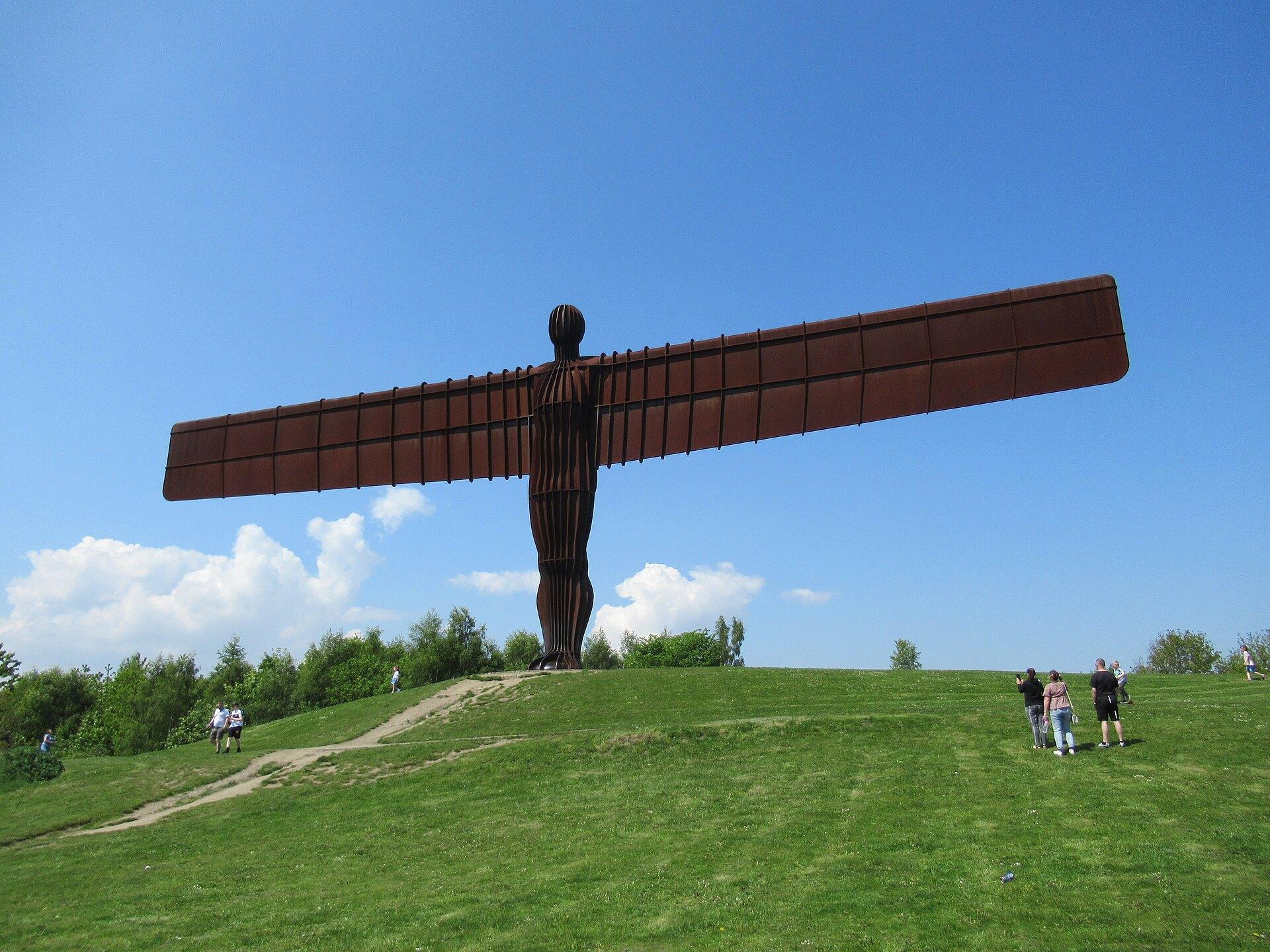
In brief. It depends on what you already have. With locked drawings or detailed renders and a designer who'll answer questions, hire build-only: the Angel of the North was Gormley's design, engineered by Arup and built by Hartlepool Steel Fabricators. With a sketch or a toolkit, design-and-build puts the maker in the room early, as Weta Workshop did for Te Papa's Gallipoli figures. Either way, ask who draws the shop drawings and who signs them.
Antony Gormley designed the Angel of the North. It took two other firms to make it stand. Engineers at Arup worked out how a 20-metre figure with a 54-metre wingspan could stay up on its Gateshead hilltop in 100 mph winds. They suggested switching to Cor-ten steel and anchoring the sculpture 20 metres down, rather than thickening its ankles. Hartlepool Steel Fabricators built it, with strengthened steel ribs that carry the wind load into the foundations. Gormley's summary, on Arup's project page: "The most important thing is that this was a collaborative venture."
That's build-only done well: a designer with a clear idea, and an engineer and fabricator who make it work without sanding it down. The other model, design-and-build, puts concept and making under one roof. Neither is better. What you already have decides which one fits. Brience is a Toronto-based custom fabrication and experiential design studio, and we work both ways, so here's how we'd help a client choose.
 Shop Objects
 Explore our curated brand essentials
What you already have decides it
Locked design, drawings or detailed renders, plus a designer who'll answer questions: build-only. The fabricator turns your design into shop drawings, and your designer checks them.
A sketch, a mood board or a head-office toolkit: design-and-build, or a designer and builder you hire as a pair. Someone has to make the idea buildable: dimensions, materials, joins and power.
Either way, ask: who draws the shop drawings, and who signs them? If the answer is vague, the gap between render and build gets filled by whoever is cutting the material.
Build-only: the designer keeps the pen
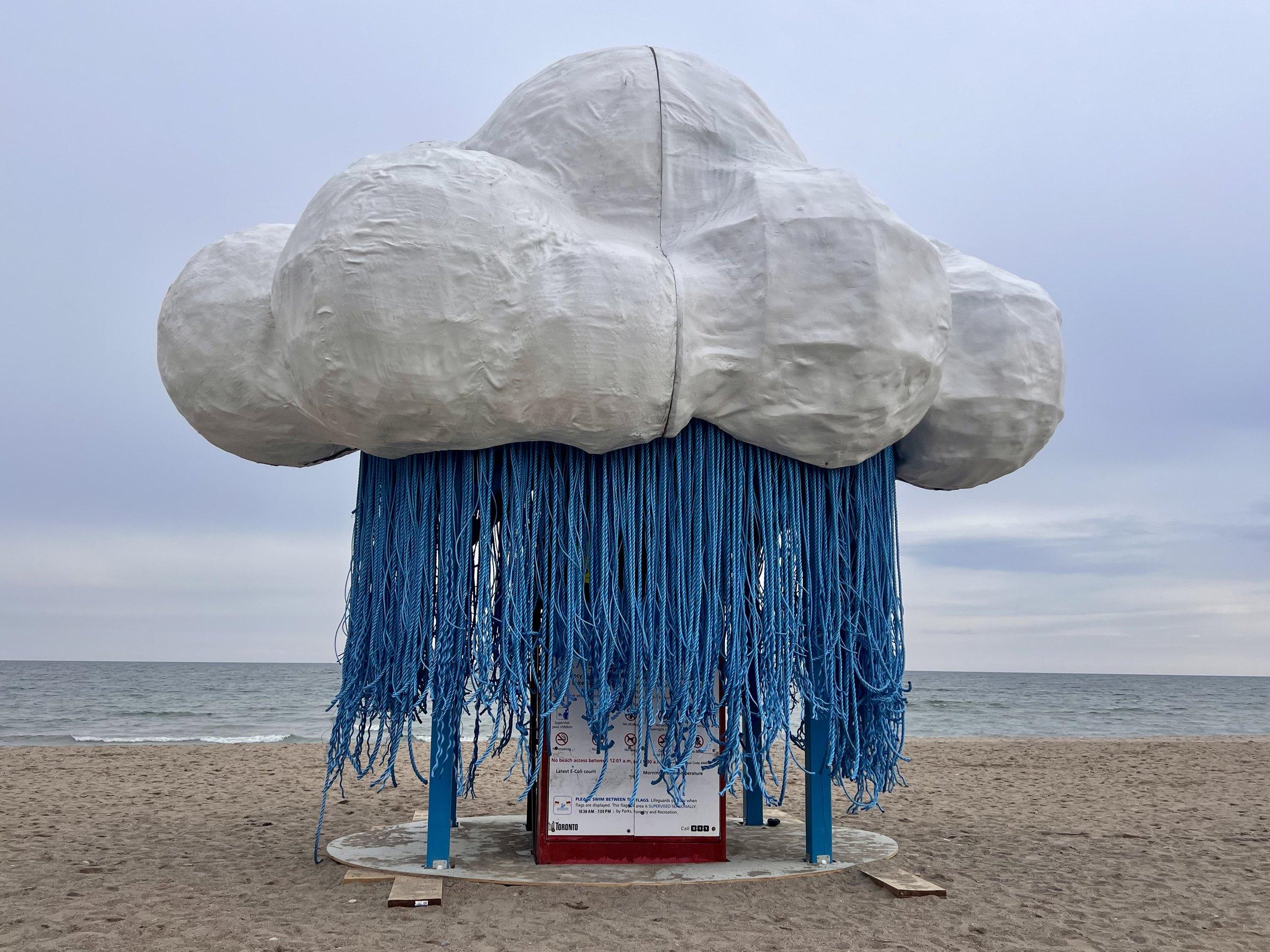
In build-only, the fabricator's job is to build your intent, and to tell you early what won't stand up. Toronto has a public example every winter. Winter Stations, the design competition for Woodbine and Kew beaches, picks designers from Canada and abroad, then reviews fabrication details with each winner. The rules give each station $5,000 for materials and $10,000 for labour, require it to fit on a 7' x 18' trailer bed and into an 8' x 8' x 20' shipping container afterwards, and warn winners they may be asked to work with the team's fabricators to find budget-friendly alternatives.
That last line is the honest version of value engineering. In build-only it's a conversation between two parties, so it needs to happen in writing, before the cut list, with the designer signing off every swap.
Design-and-build: the maker is in the room from day one
For Gallipoli: The Scale of Our War at Te Papa in Wellington, Weta Workshop took eight figures at 2.4 times human scale from early creative concept to finished sculpture, with Weta founder Richard Taylor as the exhibition's creative director and Te Papa's curators and historians on the story. Te Papa's making-of notes show what design-and-build buys you. Weta's senior mould-maker was involved from the start of the conceptual phase, and actors posed in replica uniforms to work out how each figure could be made at scale and still fit the gallery. The bodies are fibreglass sections that bolt together, so the install team could get them in. The eight figures took just over 24,000 labour hours.
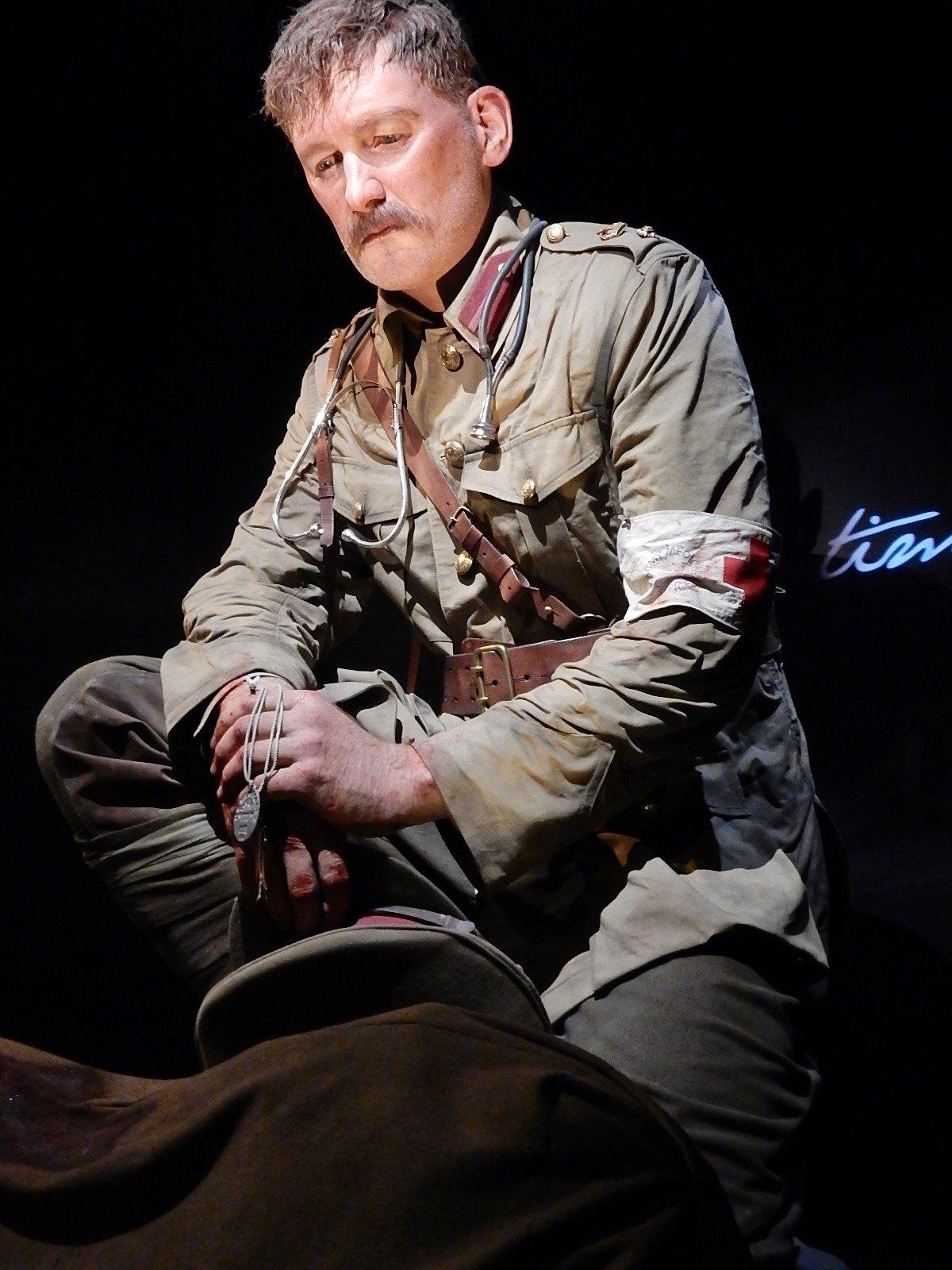
Even here, the steel armatures were designed by an outside engineer, Holmes Consulting Group. Design-and-build doesn't mean one company does everything. It means one team owns the gap between idea and object. The trade-off: the people designing it are also pricing it, so ask for drawings and material specs you could take elsewhere, and how design changes get priced.

 Get a QuoteRequest your personalized project
Scenic shops, exhibit houses and sign shops
A GTA search for a fabricator turns up very different shops, each good at something:
Agencies sell and run the idea, and often hire a fabricator behind the scenes.
Film and theatre scenic shops build big and fast, for the camera or the stage.
Exhibit houses build booths and usually know show floors and exhibitor manuals.
Sign and print shops make letters, lightboxes and graphics, and often work as a sub to the others.
Get a QuoteRequest your personalized projectA brand activation usually needs a bit of each, plus a finish you'd accept in a store, so ask any of them what they make in-house and what they buy out. If you're not sure which model fits your project, send us what you have. Our guide to hiring a fabricator in Toronto covers briefs, quotes and timelines.
Sources: Arup, "Angel of the North" (project page); Winter Stations, "Competition" (2026); Te Papa, "Te Papa and Weta Workshop open ground-breaking Gallipoli exhibition" (April 2015) and "Making of Gallipoli: The scale of our war" (2015).