 Sign In
 5 min5 min read

How long does it take to build a pop-up or trade show booth?
Most modular builds leave our shop four to six weeks after a signed scope; larger custom structures and multi-zone activations take about eight to twelve. Add your approvals and the paperwork. The Buildings Show 2026 at the MTCC asked for renderings for big booths by October 27 and contractor, insurance and fire forms by November 2, a month before doors open. ESA permission for powered equipment and the City's sidewalk permit, which needs eight weeks' notice, have their own clocks.
In brief. Most modular builds leave our shop four to six weeks after a signed scope; larger custom structures and multi-zone activations take about eight to twelve. Add your approvals and the paperwork. The Buildings Show 2026 at the MTCC asked for renderings for big booths by October 27 and contractor, insurance and fire forms by November 2, a month before doors open. ESA permission for powered equipment and the City's sidewalk permit, which needs eight weeks' notice, have their own clocks.
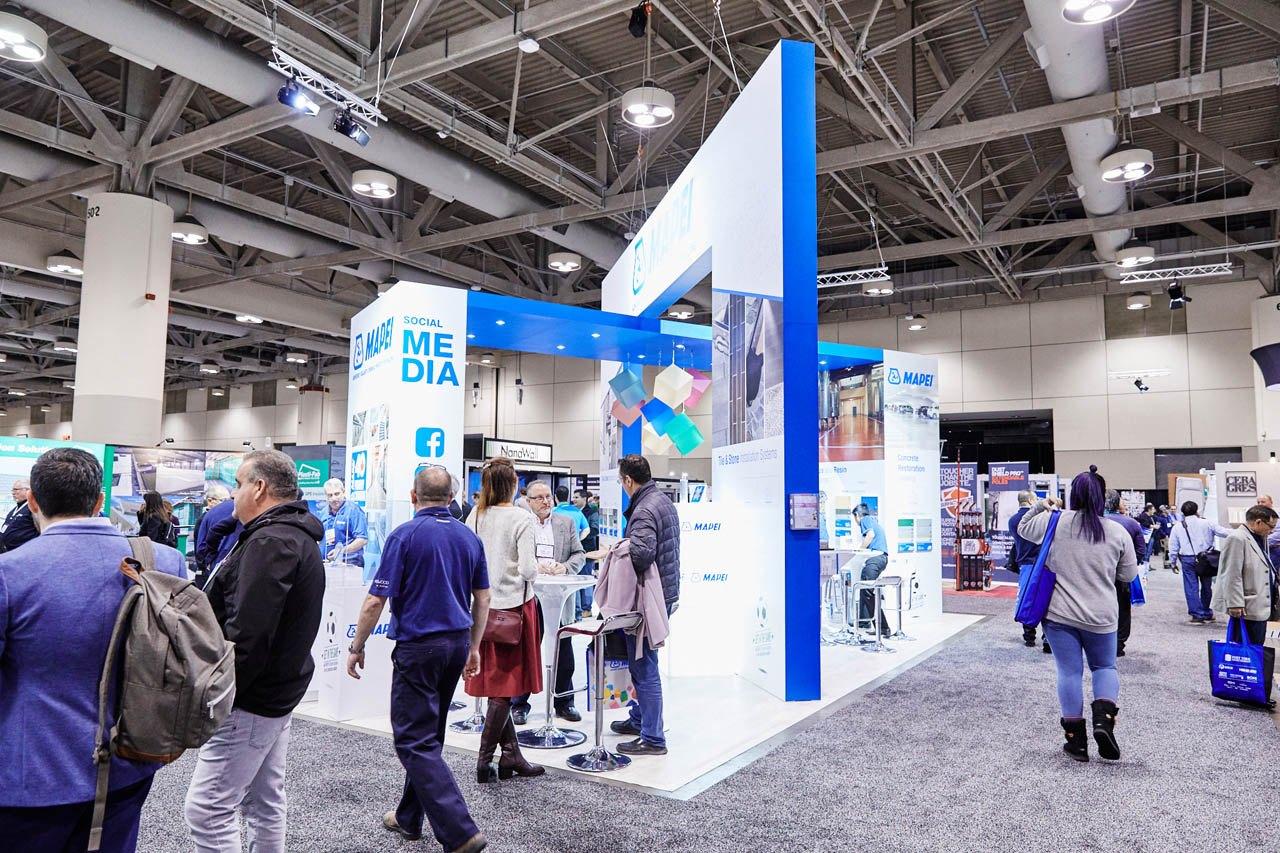
The Buildings Show opens at the Metro Toronto Convention Centre on December 2, 2026. Exhibitors get a day and a half to build their booths: move-in runs from 2 pm to 10 pm on Monday, November 30, and from 8 am to 10 pm on Tuesday, December 1. The decisions came much earlier. The show's exhibitor checklist asked for final renderings for any exhibit of 400 square feet or more by October 27, and the contractor notice, insurance certificate and MTCC fire safety reply by November 2. A booth that goes up in 22 hours is settled five weeks before.
So how long does a custom booth or pop-up take? Brience is a Toronto-based custom fabrication and experiential design studio, and our planning figures are these: most modular builds leave our shop four to six weeks after a signed scope, and larger custom structures and multi-zone activations take about eight to twelve weeks. The clock starts at the signed scope, not the first call, and it sits inside a longer schedule.
 Shop Objects
 Explore our curated brand essentials
Work backwards from opening day
Plan the last step first:
Install. The venue sets the window. At The Buildings Show it's 22 hours over two days, at each exhibitor's assigned time, and move-out starts the afternoon the show closes.
Transport, timed to that move-in slot.
Fabrication and finishing, with a dry fit in the shop so nothing is assembled for the first time on the show floor.
Shop drawing sign-off. Fabrication starts when drawings are signed, not when the concept is approved.
Your approvals. Add every round your client or head office needs, at the speed they actually reply.
Run that against The Buildings Show. A modular booth that had to leave the shop before November 30 needed a signed scope between roughly mid-October and early November, which is about when the renderings were due anyway. A larger custom stand on an eight-to-twelve-week build needed its scope signed between early September and early October, so its design work started in the summer.

 Get a QuoteRequest your personalized project
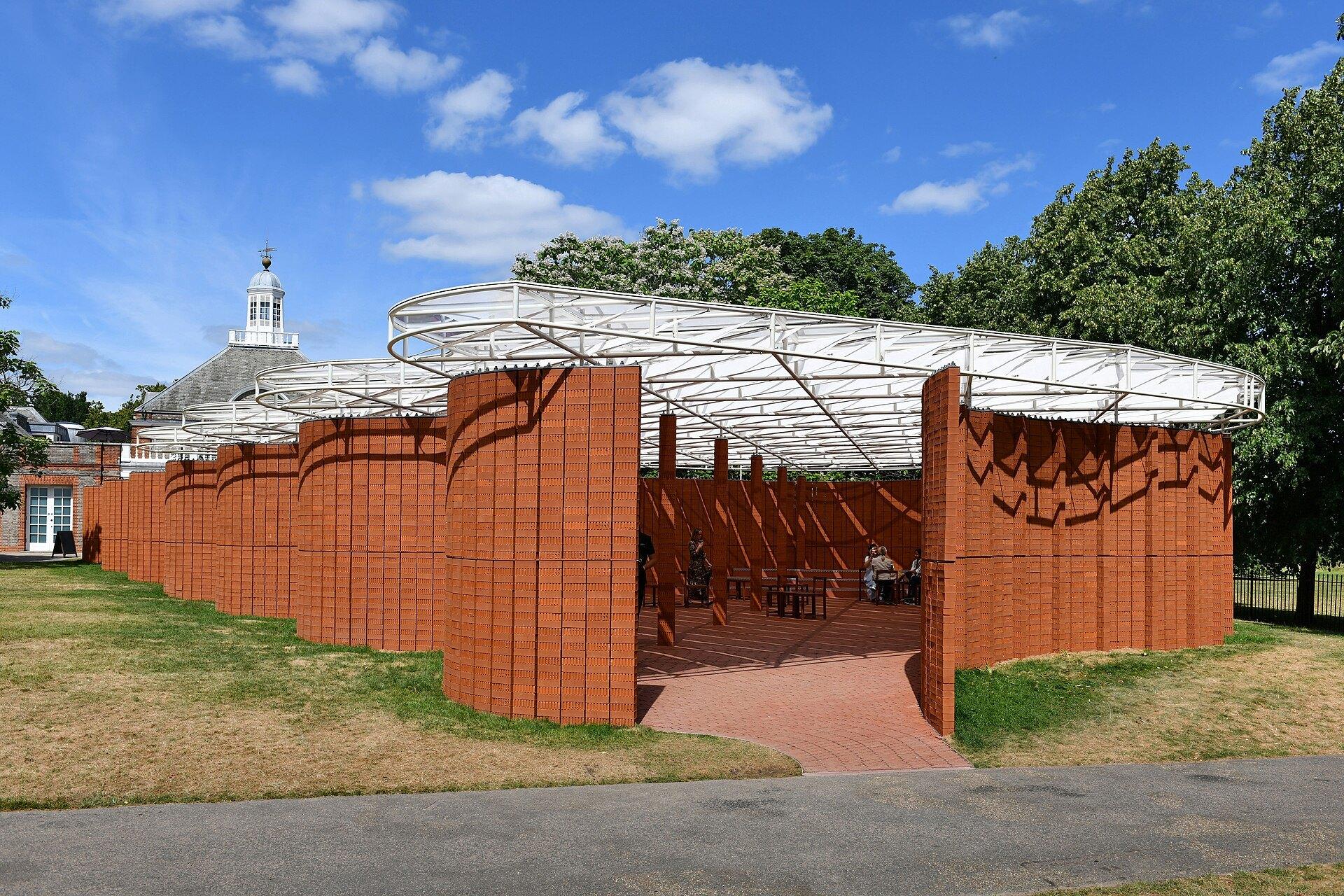
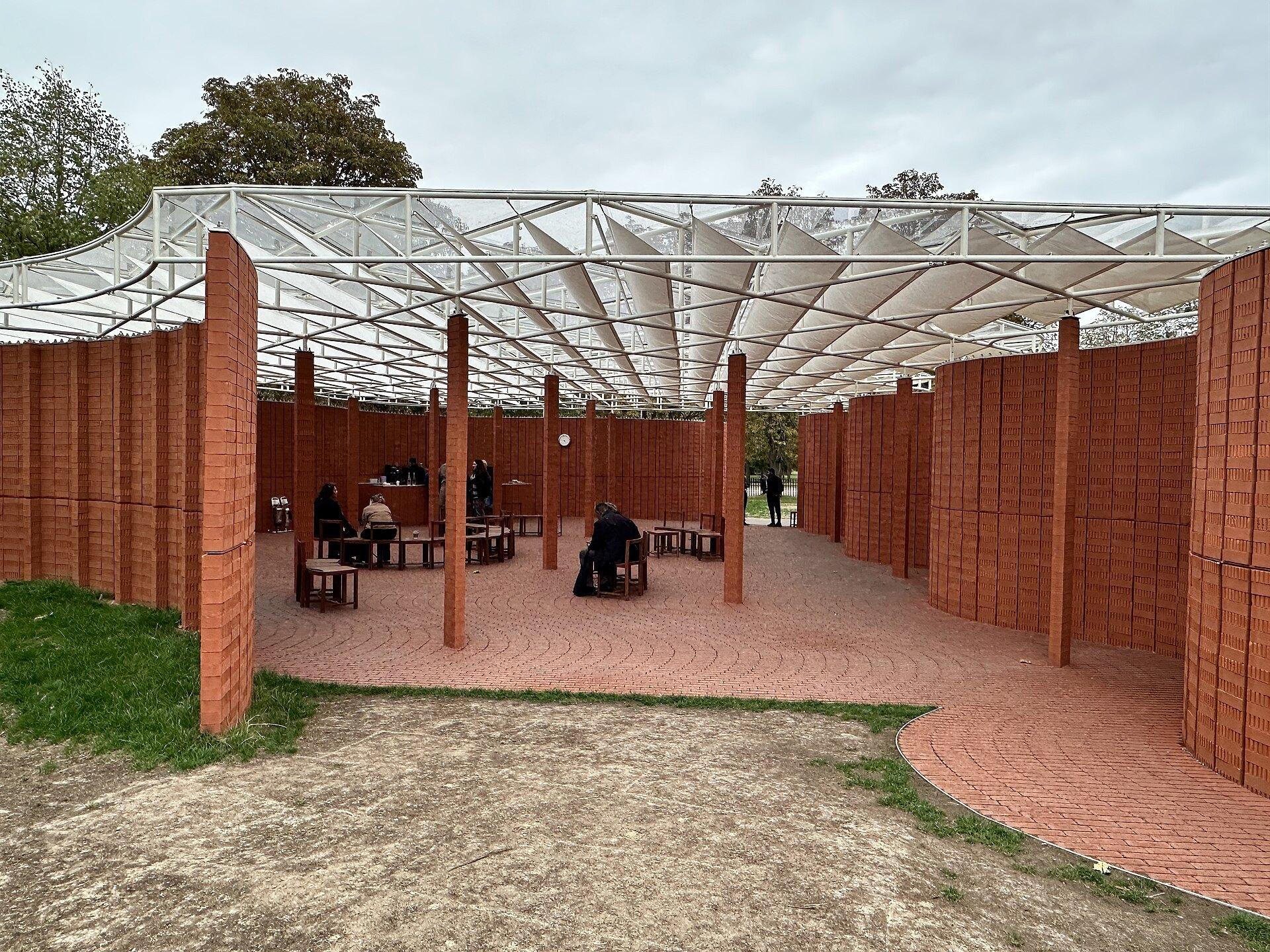
Big temporary structures run on the same logic. The 2026 Serpentine Pavilion in London, designed by LANZA atelier and built by Stage One, ran its whole workflow in a six-month window, with the build on site taking forty days, according to Stage One's statement in the press pack.
Paperwork runs on its own clock
Venue deadlines. Exhibitor manuals set dates for drawings, contractor forms, insurance and service orders. At The Buildings Show, discounted orders for electrical, lighting and sign hanging through ShowTech closed on November 9. Read the manual before the design is final.
Anything powered. In Ontario, electrical equipment on display has to be approved, which means it carries a recognized certification or field evaluation mark. At trade shows, the Electrical Safety Authority can allow unapproved equipment only if you apply in advance for a Permission to Show or a Permission to Energize, and only its written approval counts. Both are for trade shows, not consumer shows, so for a mall or store pop-up, design around certified parts from the start.
Street-front pop-ups. The City of Toronto's sidewalk sale permit, for ground-floor businesses selling in front of their own store, needs at least eight weeks' notice. It doesn't apply to malls or plazas, so ask their leasing teams for their rules and install hours early.
Get a QuoteRequest your personalized projectAsk about capacity before you ask about price
A four-to-six-week build assumes a bench is free when you sign. In a busy season it may not be, so ask before you compare quotes:
When could you start, and what's already booked in those weeks?
What happens to the date if approvals slip a week?
Is the install crew booked for my move-in window?
Which suppliers (metal, print, lighting) are on your critical path, and what are their lead times?
If your date is fixed and the brief isn't, talk to us early. Our guide to hiring a fabricator in Toronto covers briefs, quotes and venue rules in more depth.
Sources: Informa Connect, The Buildings Show 2026 exhibitor manual and exhibitor cheat sheet (2026); Serpentine, "Serpentine Pavilion 2026" press pack (May 2026); Electrical Safety Authority, "Trade shows"; City of Toronto, "Sidewalk sale permit" (2026); brience.ai FAQ.