 Sign In
 5 min5 min read

How much does a pop-up shop cost in Toronto?
A Toronto pop-up has five cost lines: space, build, staffing, permits, and install and strike. Rental listings we checked in November 2026 ran from CA$160 a day for a Queen Street storefront to CA$6,000 a day on Ossington Avenue. Staff cost at least Ontario's $17.95 minimum wage. If the work needs a City building permit, interior alterations in a store cost $11.53 per square metre, with a $214.79 minimum. Brience's focused single-element builds start in the low five figures.
In brief. A Toronto pop-up has five cost lines: space, build, staffing, permits, and install and strike. Rental listings we checked in November 2026 ran from CA$160 a day for a Queen Street storefront to CA$6,000 a day on Ossington Avenue. Staff cost at least Ontario's $17.95 minimum wage. If the work needs a City building permit, interior alterations in a store cost $11.53 per square metre, with a $214.79 minimum. Brience's focused single-element builds start in the low five figures.
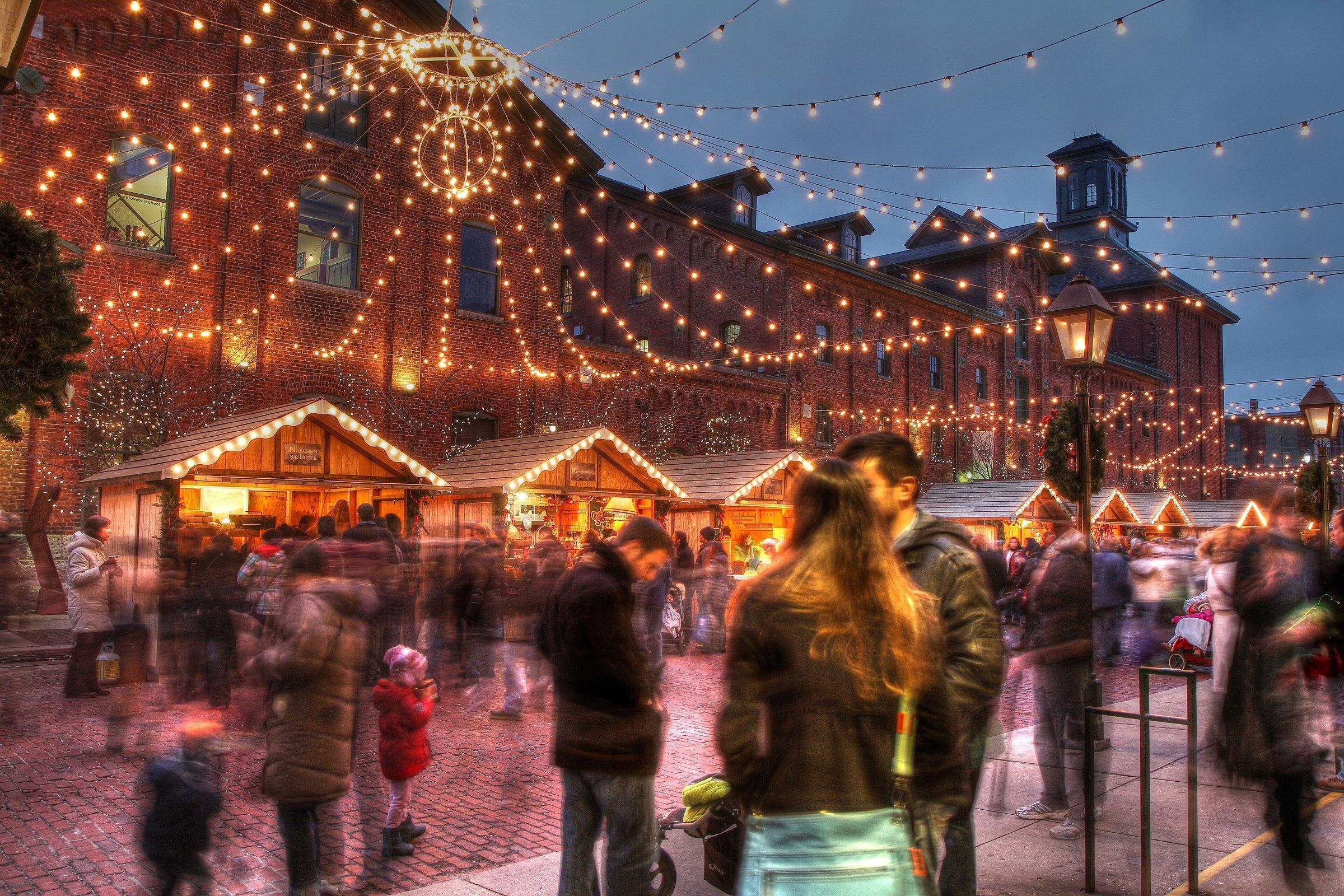
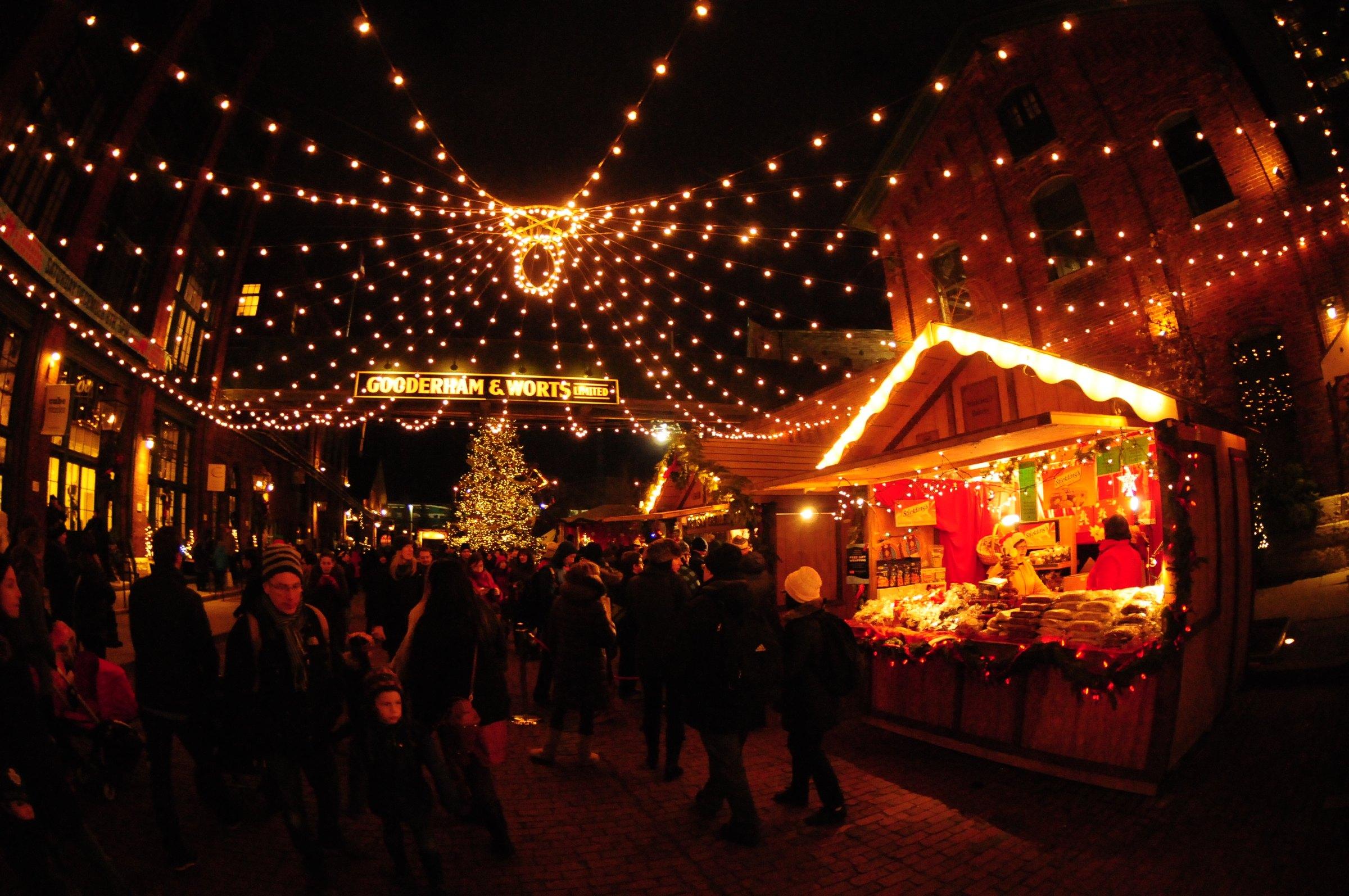
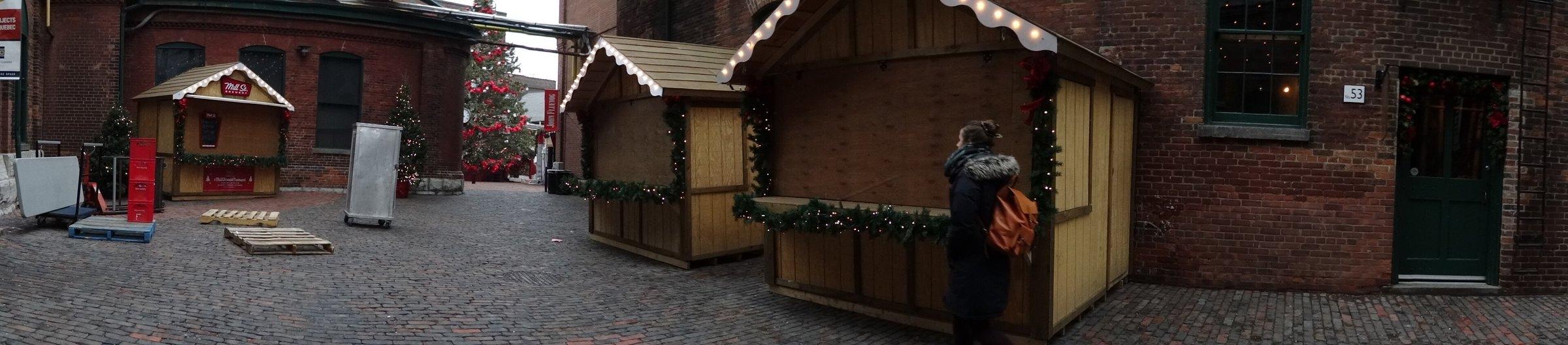
The Distillery Winter Village runs from November 12 to January 3, 2027, and its 2026 vendor guidelines read like a pop-up budget. Each cabin, 6 by 6, 6 by 10 or 8 by 10 feet, comes with one basic work light and one space heater. Extra power, shelves, lighting, decor and the sign on the cabin's peak are the vendor's to design and pay for. Vendors also carry $5 million in liability insurance and a $5,000 damage deposit, staff every opening hour including Christmas Eve and New Year's Day, and find their own storage, because there's none on site.
That's the shape of most Toronto pop-ups. The space is one line, and the others sit around it: build, staffing, permits, install and strike. Brience is a Toronto-based custom fabrication and experiential design studio, so the build is the line we know best. Here's what each line costs where we could find a published number, and what drives it where we couldn't.
 Shop Objects
 Explore our curated brand essentials
Space: from a kiosk to a storefront
Asking rates on rental sites give a range. On November 6, 2026:
Storefronts: Toronto retail listings on Storefront ran from CA$160 a day for 1,000 sq ft on Queen Street to CA$960 a day for 400 sq ft.
A kiosk: 70 sq ft in Leslieville, listed at CA$300 a day on the same site.
A flagship-grade room: 45 Ossington Avenue lists 1,400 sq ft of ground floor plus 800 sq ft of storage at CA$6,000 a day, CA$25,000 a week or CA$75,000 a month, with lighting and an AV system.
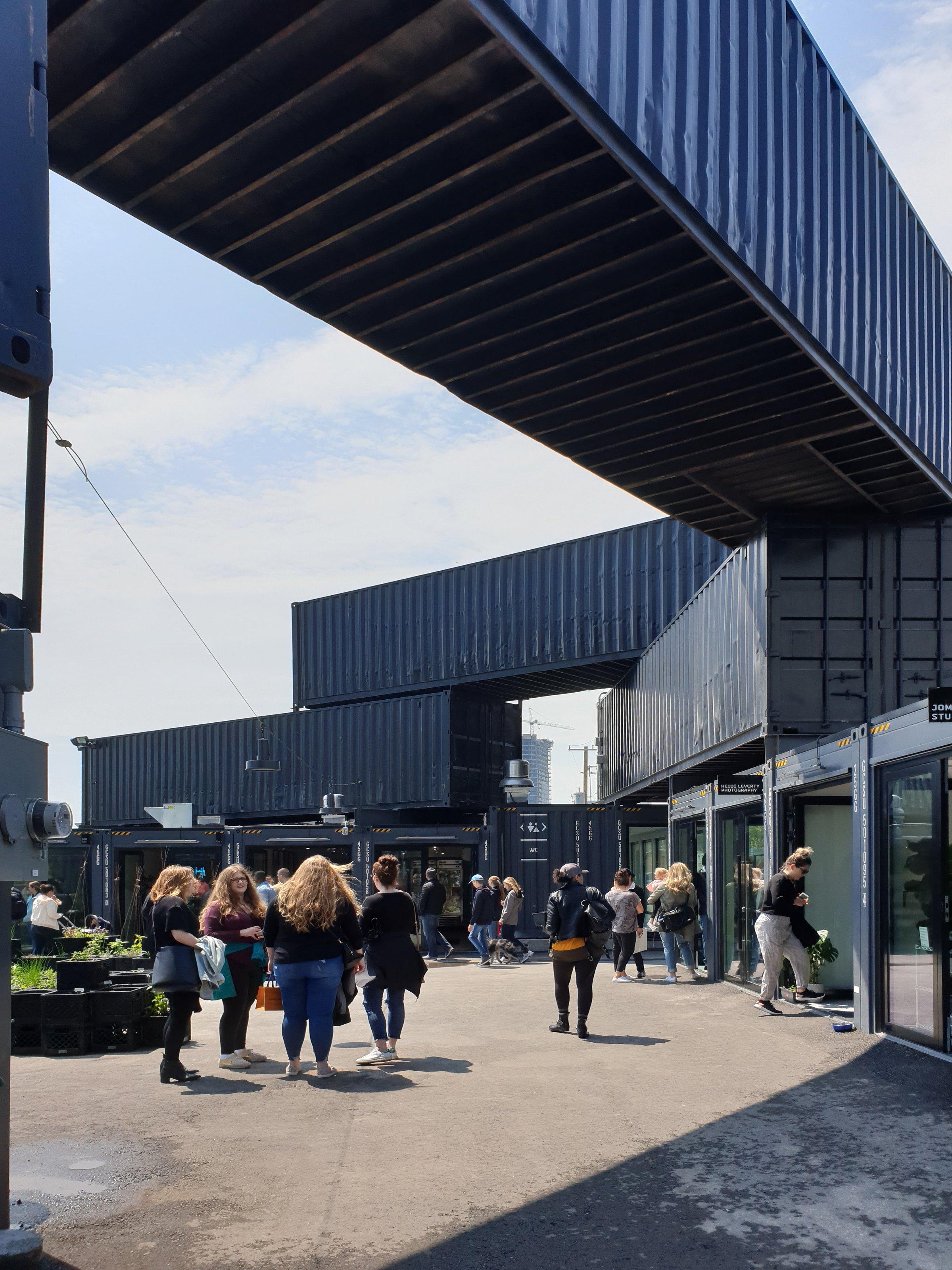
A container: in 2021, leases at Stackt Market on Bathurst Street started at $1,900 a month and were capped at 45 days, The Peak reported. In 2024 the City gave Stackt a 10-year lease extension (NOW Toronto).
These are asking prices, not signed deals, so check whether HST is included. We couldn't find published mall specialty leasing rates, so ask each mall, along with its rules on install hours and insurance.

 Get a QuoteRequest your personalized project
Build and permits
The build has the widest range, because it depends on what the room already gives you. A furnished storefront with lighting needs less than an empty white box. What moves the number: the footprint, the finishes, how much people touch, power and lighting, and whether the build has to go up again somewhere else. For scale, our focused single-element builds start in the low five figures, and most modular builds leave our shop four to six weeks after a signed scope.
If the work inside a store needs a building permit, the City of Toronto's 2026 fees for interior alterations in a retail space are $11.53 per square metre, with a $214.79 minimum. For a 1,400 sq ft unit, about 130 square metres, that's roughly $1,500. Signs are $37.71 per square metre (minimum $263.87), and temporary tents are $1.55 per square metre up to 225 square metres.
Get a QuoteRequest your personalized projectStaffing, install and strike
Staff: Ontario's general minimum wage has been $17.95 an hour since October 1, 2026. Two people on a ten-hour day cost $359 at that floor, before payroll costs. Agency staffing rates aren't published, so get them quoted.
Install: we couldn't find published Toronto rates for pop-up install crews. What drives the cost is access: overnight installs, a loading dock booking, the size of the freight elevator, and how far the build travels from the shop.
Strike: the same crew in reverse, on the landlord's deadline, plus storage or disposal afterwards. At the Distillery, there's no on-site storage at all.
Put the five lines side by side before you commit to the space. A cheap room that needs a full build can cost more than an expensive one that's ready to open.
Start with the space you've found and the dates. Send us both and we'll price the build against them. Our guide to hiring a fabricator in Toronto covers what to send and how to read the quote that comes back.
Sources: The Distillery Winter Village, "2026 Vendor Application Guidelines" (May 2026); Storefront, Toronto retail listings (November 2026); POPUPSHOPS, "Ossington Avenue" listing (November 2026); The Peak, "Move over malls, here come shipping containers" (June 2024); NOW Toronto, "Toronto's STACKT Market secures decade-long lease extension" (June 2024); City of Toronto, "Building Permit Fees" (2026); Government of Ontario, "Minimum wage" (October 2026); brience.ai FAQ.