Clash of Clans is charging admission, and that changes the build standard
Clash of Clans’ "Clash for the Stache" is a ticketed pop-up experience at San Diego’s Seaport Village that opened during Comic-Con week and runs through September 7, 2026, billed as the first of its kind for the game. A brand experience that sells tickets and operates for roughly two months is an attraction, not an activation, and it has to be designed, built, and operated to attraction standards.
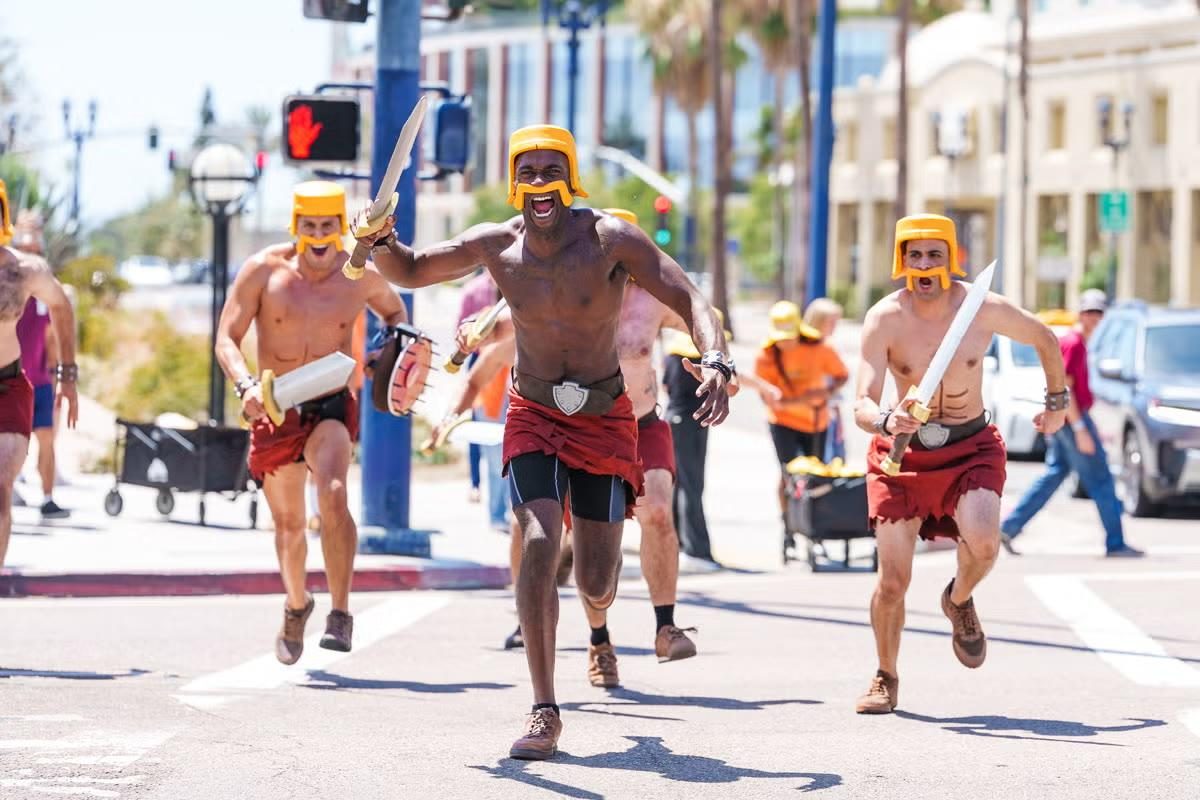
In brief. Clash of Clans’ "Clash for the Stache" is a ticketed pop-up experience at San Diego’s Seaport Village that opened during Comic-Con week and runs through September 7, 2026, billed as the first of its kind for the game. A brand experience that sells tickets and operates for roughly two months is an attraction, not an activation, and it has to be designed, built, and operated to attraction standards.
Buried in the Comic-Con offsite guides was a detail that separates one build from the rest of the district: Clash of Clans’ Clash for the Stache at Seaport Village isn’t a free weekend pop-up. It’s ticketed, billed as an all-new experience debuting in San Diego, and it runs through September 7. While every other activation struck its set after the convention, this one settled in for a two-month run with paying visitors.
That distinction sounds administrative. It’s actually the whole design brief. A free four-day activation is marketing: success is impressions, content, sentiment. A ticketed two-month experience is a product: success is whether strangers pay, stay, and tell people it was worth it. The moment money changes hands, the audience switches from fans receiving a gift to customers holding a receipt, and their tolerance for thin walls, short runtimes, and queue mismanagement drops to zero.
Every discipline gets harder at attraction grade. Durability: sixty-plus days of daily operation versus four, which changes materials, finishes, and every touchpoint that gets handled. Operations: staffing, ticketing flow, capacity pacing, cleaning cycles, and maintenance windows designed into the build rather than improvised around it. Content depth: a paid visit needs a runtime and a narrative arc, not a photo loop. Repairability: at day forty, the question isn’t whether something breaks but how fast it’s fixed without closing the room.
Why would a mobile game bother? Because the economics of fandom have shifted. A property with a large, devoted audience can convert attention into a revenue-positive physical product instead of a cost-center marketing moment. Gaming and entertainment brands are learning what museums and theme parks always knew: people pay for places. The activation industry’s next frontier is experiences that fund themselves.
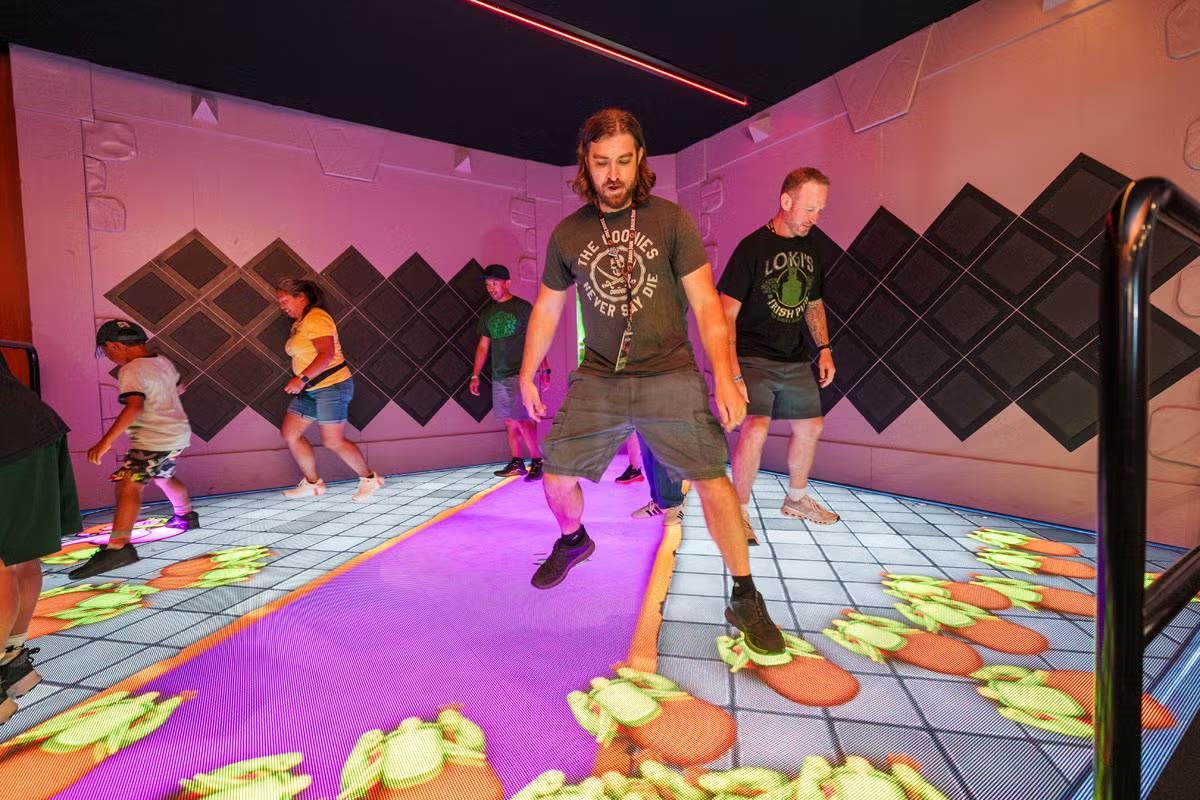
Inside Clash for the Stache: a projection floor built for stomping, daily. Photo: Event Marketer.
The Canadian angle is an open lane. Toronto has the fandom density (Fan Expo draws six figures), the tourist traffic, and the vacant retail to host exactly this model, and almost no one is building branded ticketed experiences here outside the big touring exhibitions. The first local brands to treat an experience as a product, not a campaign, will find surprisingly little competition for the audience’s weekend plans.
The catch is that attraction-grade is a fabrication and operations discipline before it’s a creative one, and it punishes teams who scope it like a long pop-up. Brience is a Toronto-based custom fabrication and experiential design studio, and building for paying visitors (durable, serviceable, operable) is a brief we’d welcome. If your brand’s audience would buy a ticket, that’s worth finding out properly.

Interactive walls and a coin pit: touchpoints rated for a two-month run. Photo: Event Marketer.
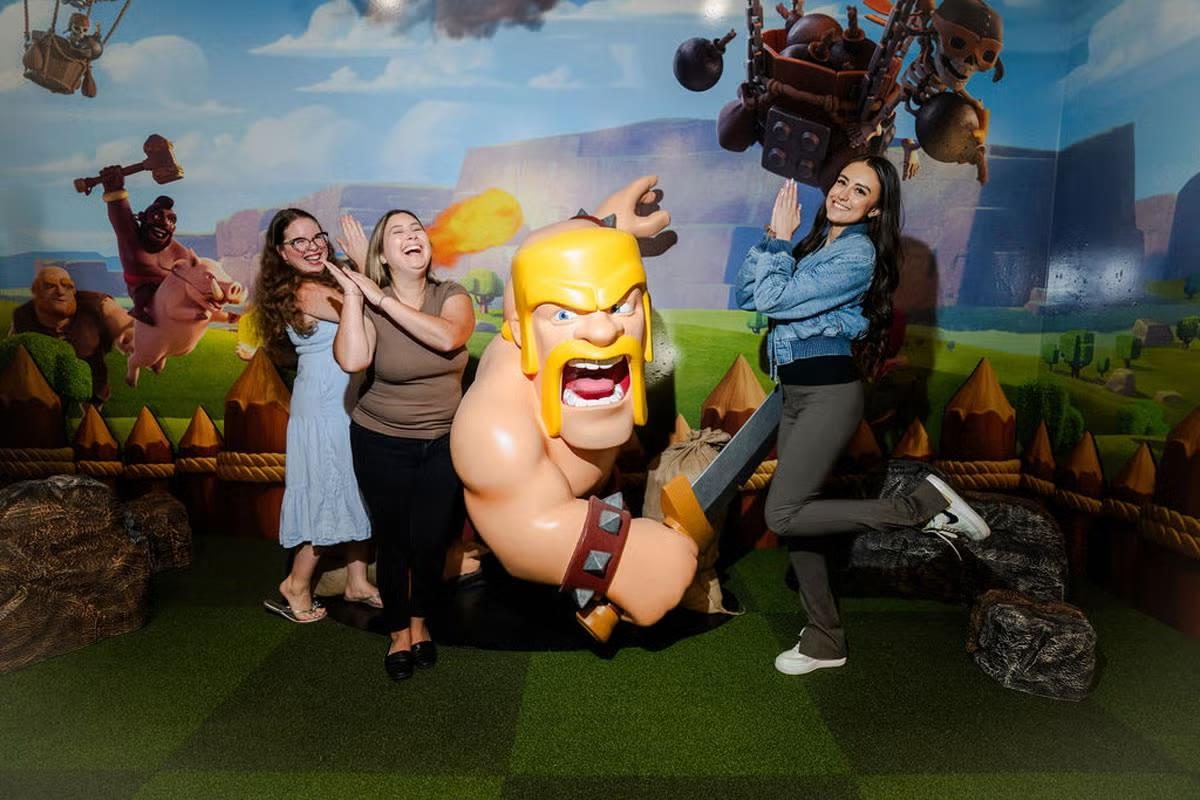
The Barbarian photo op: attraction-grade scenic, not weekend scenic. Photo: Event Marketer.
Source: Fox 5 San Diego SDCC coverage (July 2026). Clash for the Stache, Seaport Village, San Diego, running through Sept 7, 2026.