
 Sign In
 6 min6 min read

Taking an activation across the border: the ATA Carnet in plain language
An ATA Carnet is a customs document that lets a booth or activation enter another country temporarily without paying duties, as long as everything on it leaves again. In Canada it comes from the Canadian Chamber of Commerce, lasts a year and needs a guarantee worth 40 per cent of the goods' value. List every piece, keep giveaways, food and anything for sale off it, get it stamped every time you cross, and return it when you're done. On the US side, the alternative is a temporary importation bond.

In brief. An ATA Carnet is a customs document that lets a booth or activation enter another country temporarily without paying duties, as long as everything on it leaves again. In Canada it comes from the Canadian Chamber of Commerce, lasts a year and needs a guarantee worth 40 per cent of the goods' value. List every piece, keep giveaways, food and anything for sale off it, get it stamped every time you cross, and return it when you're done. On the US side, the alternative is a temporary importation bond.
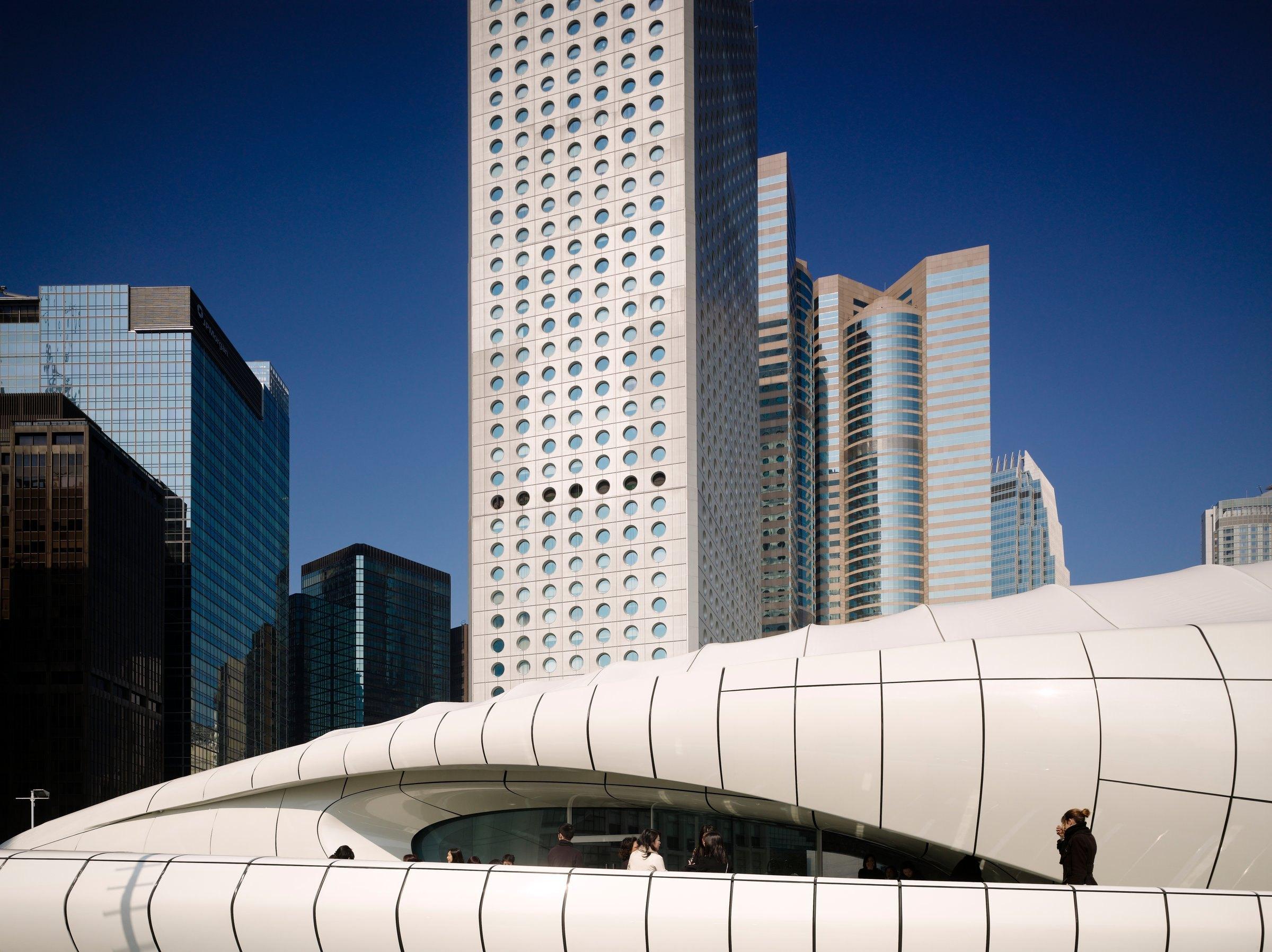
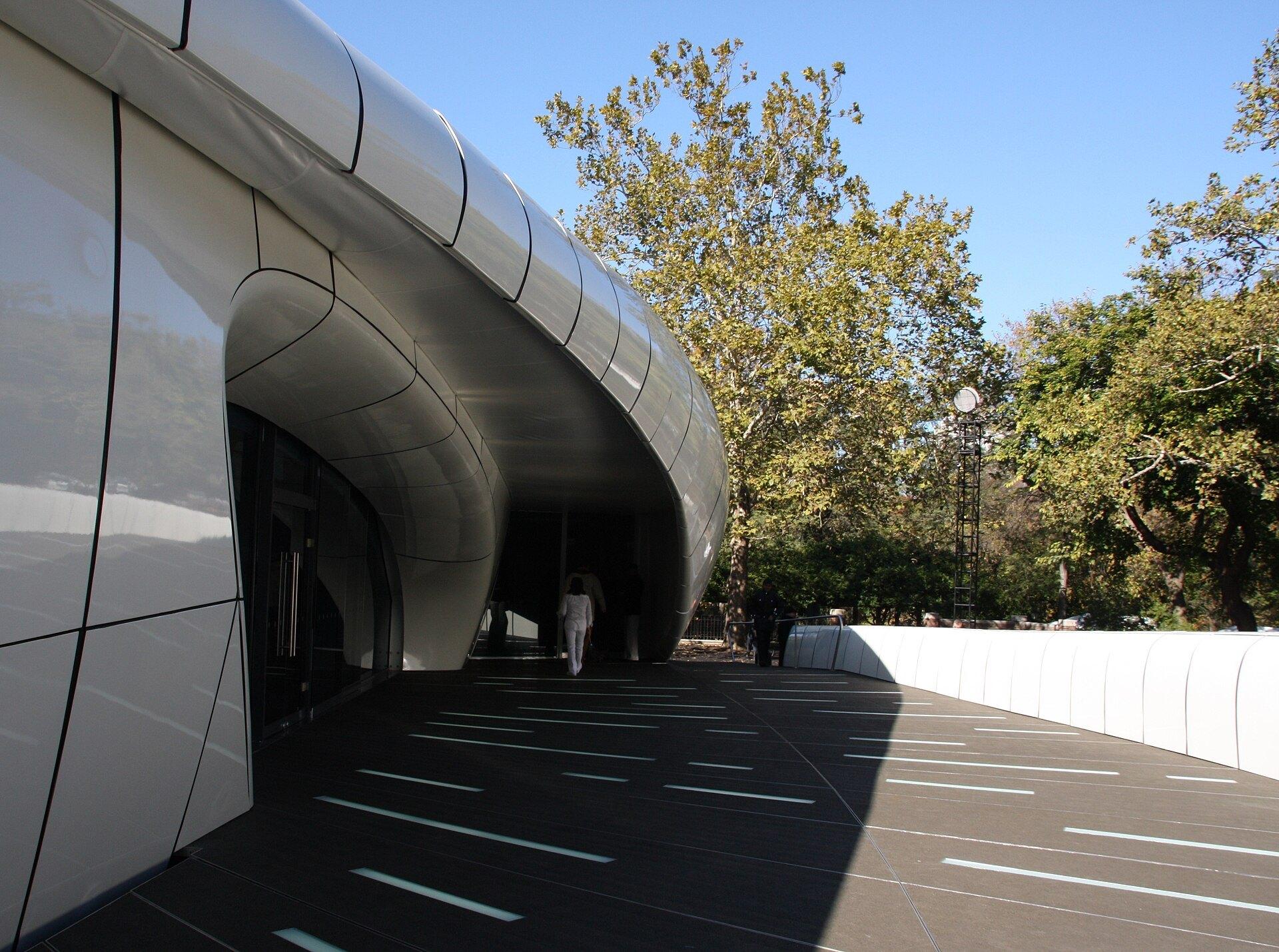
Zaha Hadid's Mobile Art pavilion for Chanel opened in Hong Kong in February 2008, moved to Tokyo that May and reached New York's Central Park in October. Because of the shipping between cities, its steel structure was designed to go up in under a week. At the end of 2010 Chanel donated it to the Institut du Monde Arabe, giving it a permanent home in Paris.
Closer to home, the Royal Ontario Museum curated, designed and produced Ultimate Dinosaurs in Toronto in 2012 before an international tour. By 2014 the Science Museum of Minnesota was hosting it as its third North American stop, on loan from the ROM.
Most Toronto activations heading south are smaller: a booth for a US trade show, a pop-up in another country for a few weeks. They cross the same line, as goods entering a country for a while and then leaving. The document built for that is the ATA Carnet. Brience is a Toronto-based custom fabrication and experiential design studio, and this is how we'd explain it to a client.
 Shop Objects
 Explore our curated brand essentials
What a carnet covers, and what it doesn't
A carnet is an international customs document that replaces each country's own temporary entry paperwork and guarantees the duties if goods don't leave on time, so no separate deposit is needed at the border (CBSA Memorandum D8-1-7). In Canada, carnets are issued only by the Canadian Chamber of Commerce, are accepted in over 80 countries and are valid for one year from issue.
What goes on it: commercial samples, professional equipment, and goods for trade fairs and exhibitions. The US never signed the exhibitions convention, but show goods commonly enter as commercial samples or as professional equipment, which covers booths and tables, according to the ATA country sheet for the United States.
What doesn't: goods for sale, lease, processing or repair, and food or other consumables that may be given away, disposed of or used up (D8-1-7). Plan anything you hand out (samples, printed pieces, swag) as a separate shipment, declared the normal way.
Selling or leaving things behind: the Chamber's reference manual says carnet goods should not be sold abroad, and goods donated abroad still owe import duties and taxes.

 Get a QuoteRequest your personalized project
Toronto to a US show and back, step by step
Make the list. Every crate and piece, clearly described, with values, and model and serial numbers for electronics. Nothing can be added once the carnet is issued, though you can travel with part of the list.
Apply and post security. Apply through the Chamber's e-ATA system. The fee follows the goods' value: for $20,000 to $49,999 it is $340 for members and $410 for non-members. The manual also asks for a guarantee of 40 per cent of the goods' value, as cash, a bond or a letter of credit. Name your broker or crew lead as a representative so they can clear the goods.
Leave Canada. CBSA validates the green cover before or at the first export and stamps the yellow exportation counterfoil. Arrive early with every listed item, in case the officer wants to see them.
Enter the US. CBP stamps the white importation counterfoil. If the officer writes a final date for re-export, the goods must leave by midnight that day.
Leave the US. Get the white re-exportation counterfoil stamped and account for every item that went in.
Come home. Get the yellow re-importation counterfoil stamped. The Chamber calls this step critical: the stamp is your proof the goods came home. Under D8-1-7, Canadian goods come back duty-free if they match the export record and haven't gained value, though GST may apply.
Return the carnet to the Chamber after use or at expiry. Customs can file a claim up to a year after expiry, so keep a scan of every stamped page.
Alternatives, and the trip the other way
Into the US without a carnet: the other route CBP describes is a temporary importation under bond (TIB), which a US customs broker can file. CBP's guide to commercial samples describes one year from entry, extendable to three in total.
A US build coming to a Toronto show: CBSA's alternative to a carnet is a temporary admission permit. For commercial goods, Form E29B was replaced by the BSF865 in the CARM client portal on October 21, 2024. Shows help too: IDS Toronto points international exhibitors to its official customs broker and warns that printed materials, advertising and giveaways pay full duties and taxes.
Get a QuoteRequest your personalized projectRules change, so confirm the plan with the Chamber and a broker before the truck is booked. If your build is crossing a border, tell us early: it changes how we crate, label and list it. Our guide to hiring a fabricator in Toronto covers the rest of the brief.

Source: Canada Border Services Agency, Memorandum D8-1-7 (February 2015) and Customs Notice 24-28 (August 2024); Canadian Chamber of Commerce, ATA Carnet, Carnet Fees and Carnet Reference Manual; ATA country sheet for the United States (July 2026); U.S. Customs and Border Protection, "Importation of Commercial Samples" (October 2003); IDS Toronto Exhibitor Kit; Zaha Hadid Architects; Royal Ontario Museum (January 2012); Meet Minneapolis (February 2014).