CES 2026: the year the biggest brands abandoned the booth
At CES 2026 (January 6 to 9, Las Vegas, more than 148,000 attendees per the CTA), the defining exhibit trend was substitution: Google traded a footprint for a takeover of Sphere, Intel wove one visual identity from its keynote through a motion-interactive LED cube to a monorail wrap, and Samsung swapped its vast convention-center footprint for a public exhibition. Meanwhile SCP Packaging won attention with a booth built of recyclable cardboard and wood. Event Marketer’s verdict: less showstoppers, more hidden gems and deep engagement.
In brief. At CES 2026 (January 6 to 9, Las Vegas, more than 148,000 attendees per the CTA), the defining exhibit trend was substitution: Google traded a footprint for a takeover of Sphere, Intel wove one visual identity from its keynote through a motion-interactive LED cube to a monorail wrap, and Samsung swapped its vast convention-center footprint for a public exhibition. Meanwhile SCP Packaging won attention with a booth built of recyclable cardboard and wood. Event Marketer’s verdict: less showstoppers, more hidden gems and deep engagement.
Event Marketer’s editors’ picks from CES 2026 document a quiet structural shift at the world’s benchmark trade show. The biggest brands didn’t build bigger booths; several didn’t build booths at all. Google took over Sphere, the most photographed object in Las Vegas. Intel, which had already moved from the convention center to a controlled environment at The Venetian, threaded its Panther Lake iconography from the keynote stage to a motion-interactive LED cube to a wrap of the monorail: one identity, three surfaces, zero traditional footprint. Samsung traded its vast LVCC presence for a public exhibition in the spirit of its usual visual spectacles.
And then, in the halls the giants vacated, the counterpoint: SCP Packaging built its entire booth from recyclable cardboard and wood, with a tree, animals, and countertop fashioned completely from cardboard and an enclosed Package Museum hallway telling the company’s history. A materials company made its material the architecture, and the editors put it on the best-of list next to the trillion-dollar brands.
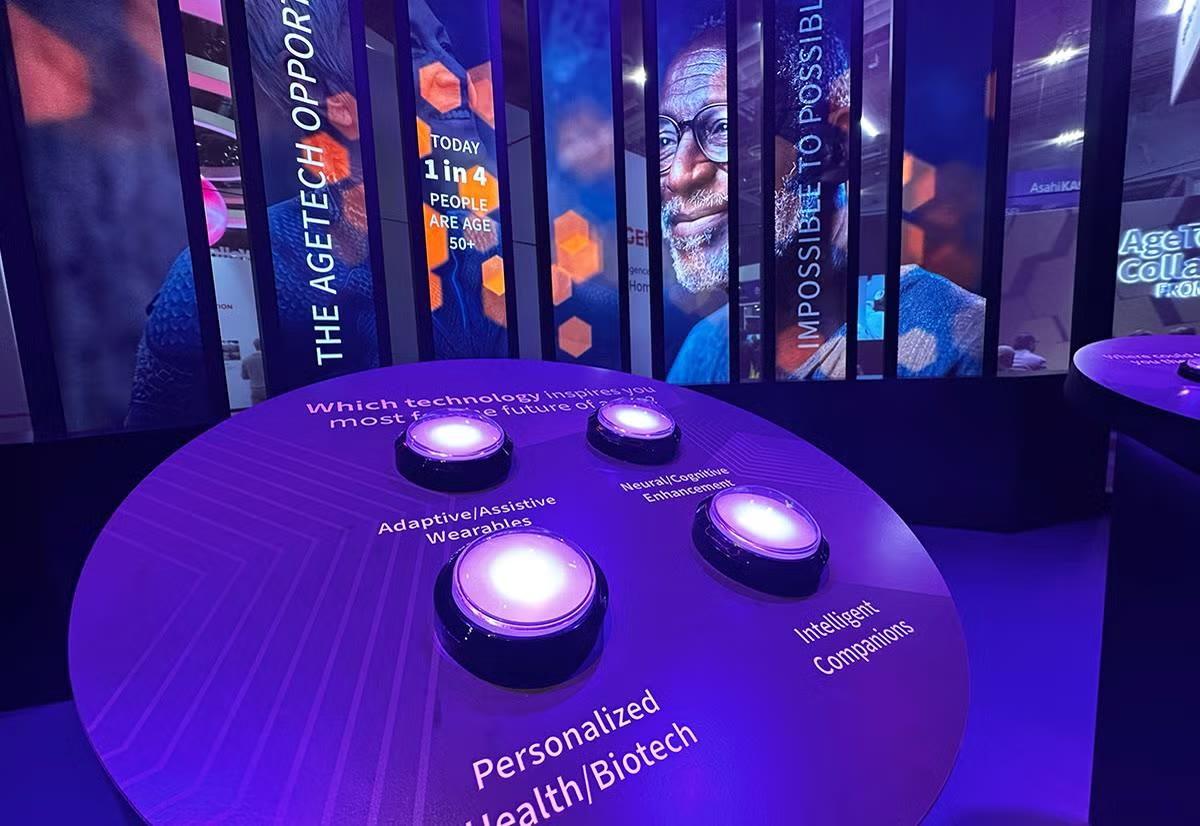
The buttons-and-dials journey table inside the AgeTech booth. Photo: Event Marketer.
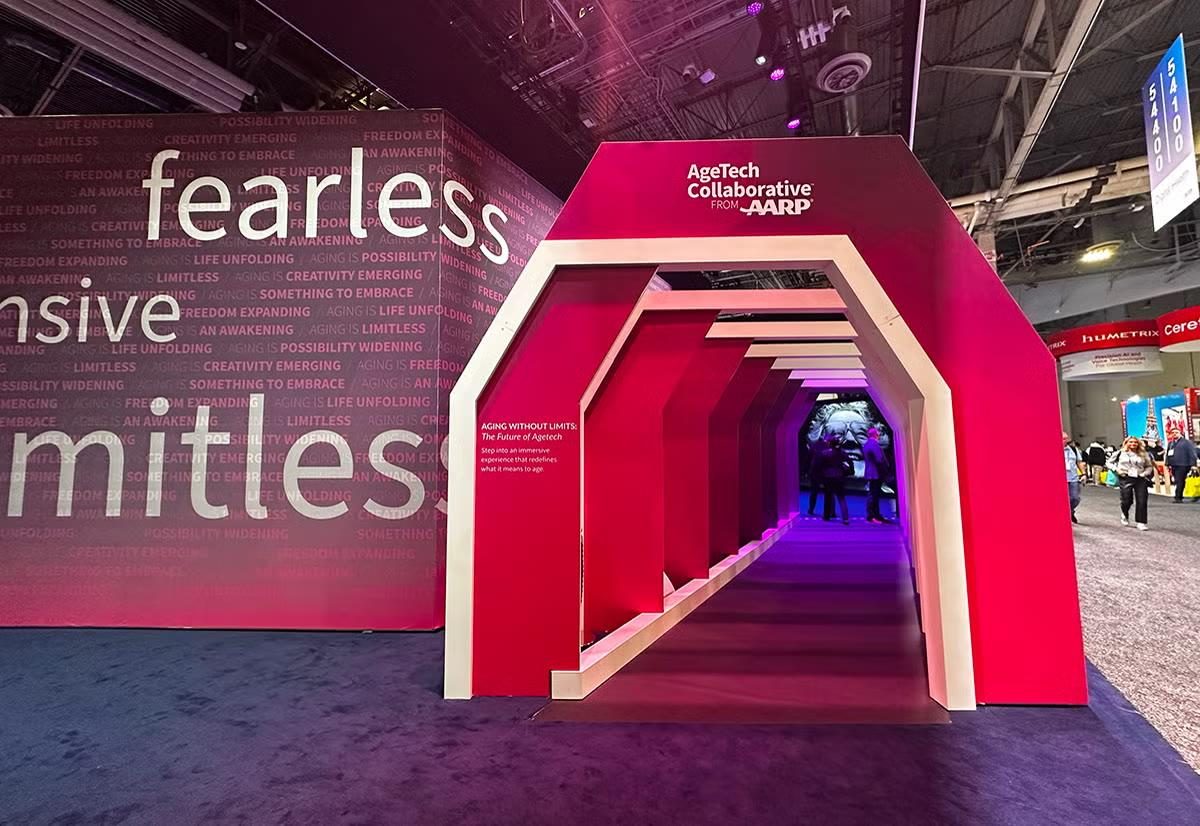
The rest of the floor picks made the same argument in different materials: Waymo’s swooping sculptural canopy, John Deere growing real crop rows against its green wall, Brunswick staging boats around a circular water feature, AARP’s AgeTech Collaborative running its buttons-and-dials journey, and ShenChuan building its stand from raw cardboard, kraft, and a fabricated tree. Coherence and material conviction, hall after hall.
What the substitution means
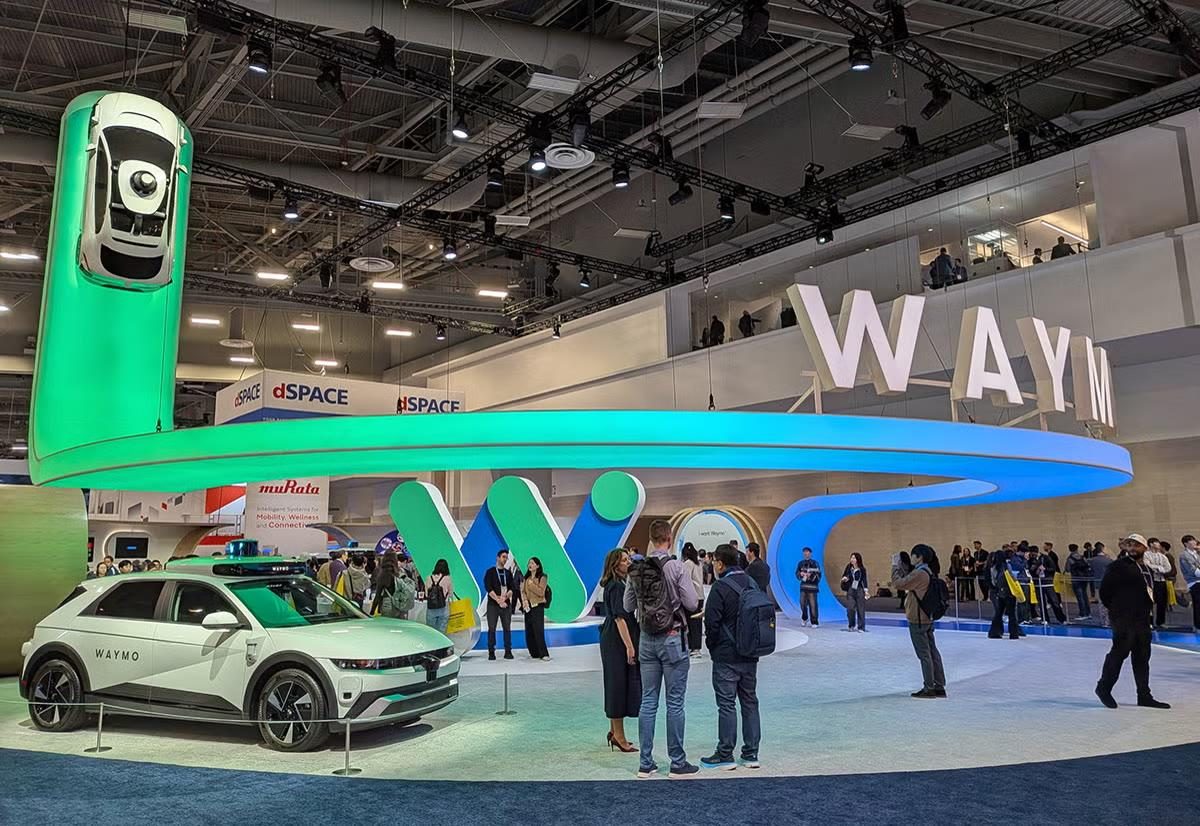
Waymo’s swooping sculptural canopy: architecture as the message. Photo: Event Marketer.
Brience is a Toronto-based custom fabrication and experiential design studio, and our read is that CES 2026 marks the maturing of a two-tier logic. Tier one: brands whose story is bigger than a booth buy the city instead: takeovers, transit wraps, keynote-to-street identity systems. Tier two: brands on the floor stop competing on square footage and screens (a race the tier-one exits just declared unwinnable) and compete on coherence, material honesty, and depth of engagement. Event Marketer’s summary line says it plainly: the booth experiences were less about showstoppers and 4D thrill rides, more about hidden gems and deep engagement.
SCP is the tier-two playbook executed whole. The material is the message, the sustainability claim is load-bearing (literally), and the museum hallway trades spectacle for narrative depth a visitor walks through. None of it requires a mega-budget; all of it requires fabrication conviction. The same goes for Intel’s identity-thread logic: a small exhibitor can run one visual system across booth, badge, giveaway, and social so every touchpoint compounds recognition instead of fragmenting it.
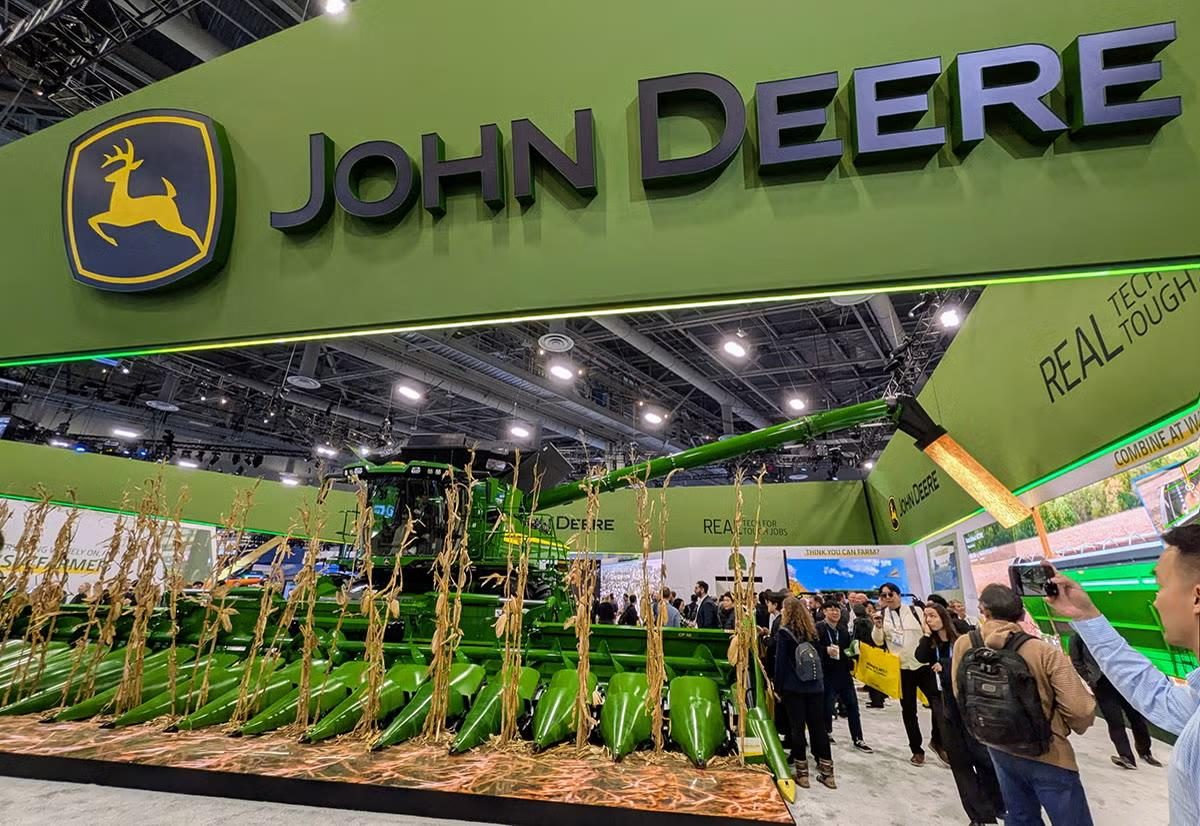
John Deere growing real crop rows against its green wall. Photo: Event Marketer.
The two tiers, side by side
| Approach | CES 2026 example | When it’s right |
|---|---|---|
| City takeover instead of booth | Google at Sphere; Intel’s keynote-cube-monorail thread | Identity moment bigger than any hall; budget to own surfaces the whole show sees |
| Controlled off-floor environment | Intel at The Venetian | Complex story needing curated pacing, away from aisle noise |
| Public exhibition | Samsung’s open-format spectacle | Consumer brand seeking the city’s audience, not just badge holders |
| Material-honest floor booth | SCP’s cardboard-and-wood build with Package Museum | Product or values expressible through construction itself; modest budget, high conviction |
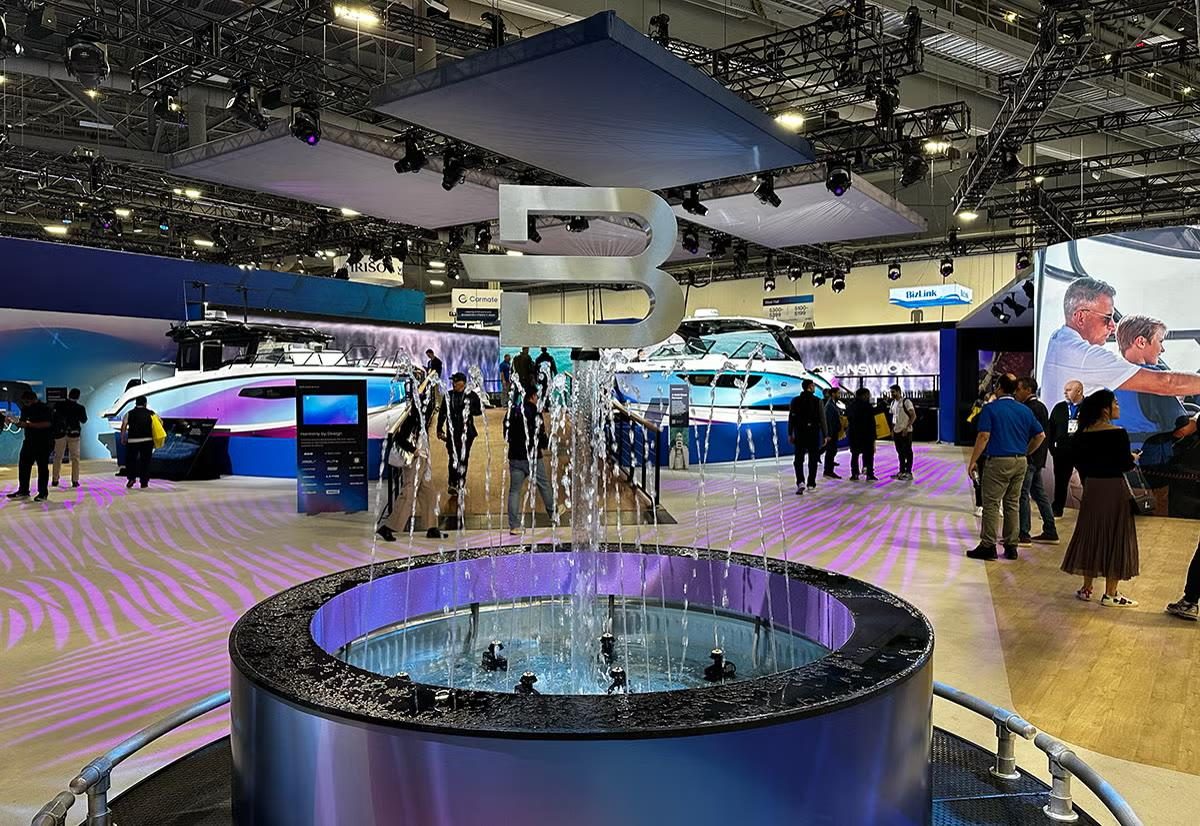
Brunswick’s circular water feature: staging boats indoors, calmly. Photo: Event Marketer.
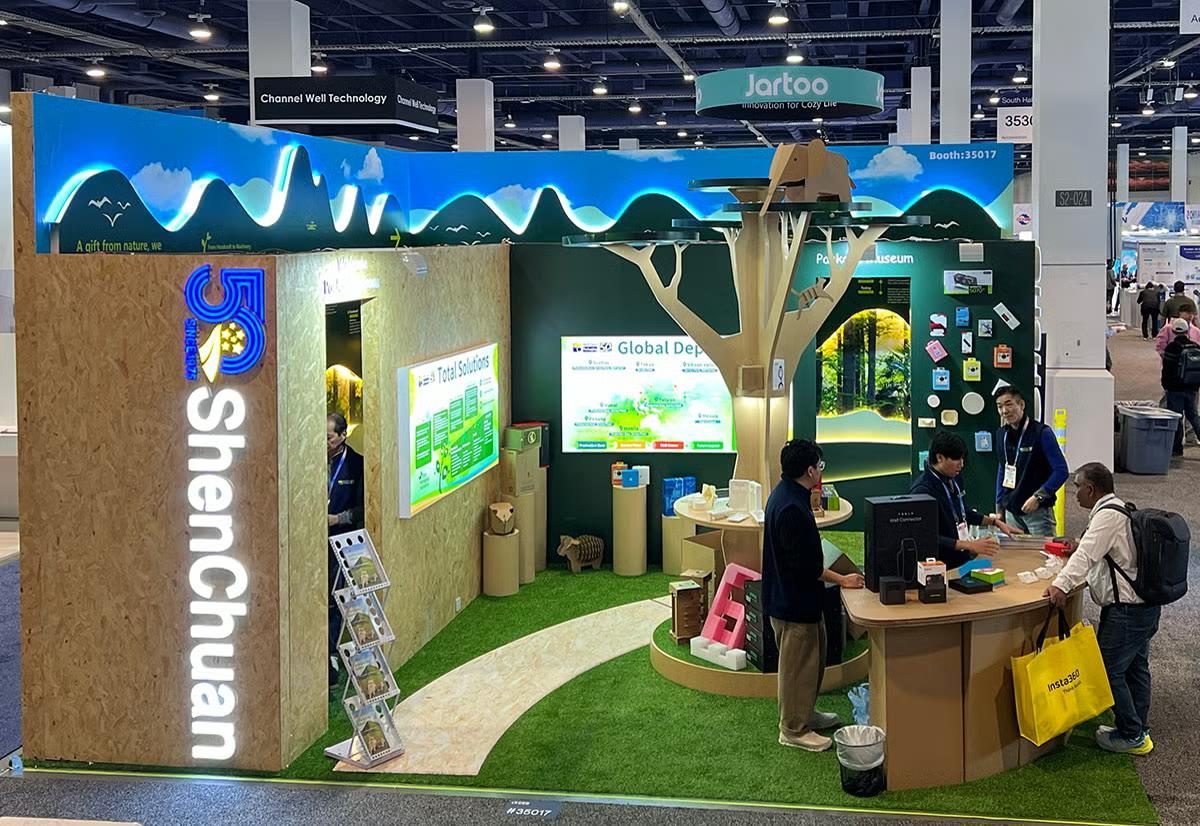
ShenChuan’s stand: raw cardboard, kraft, and a fabricated tree. Photo: Event Marketer.
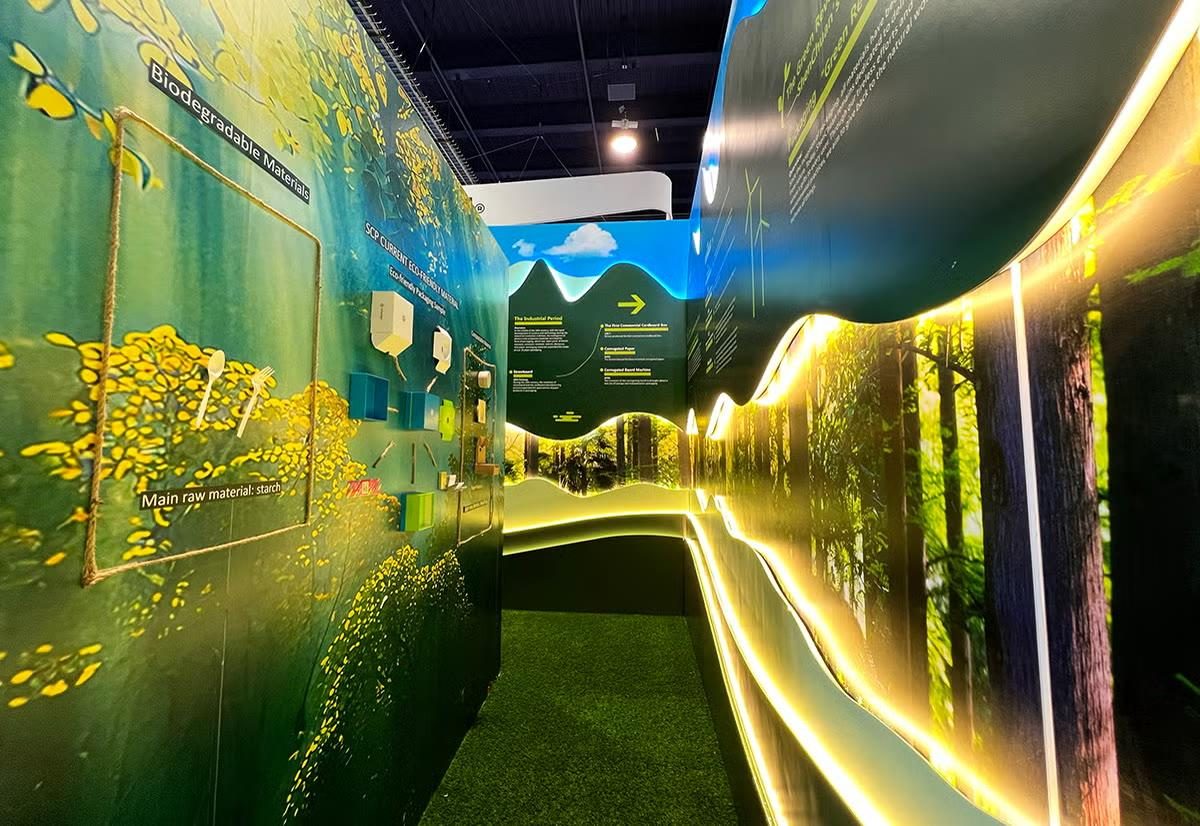
Inside ShenChuan: a forest hallway in paper materials. Photo: Event Marketer.
Whichever tier your program plays in, the winning move at the next big show is conviction: one idea carried through every material and surface you control. That’s a build discipline before it’s a media plan: brience.ai/projects
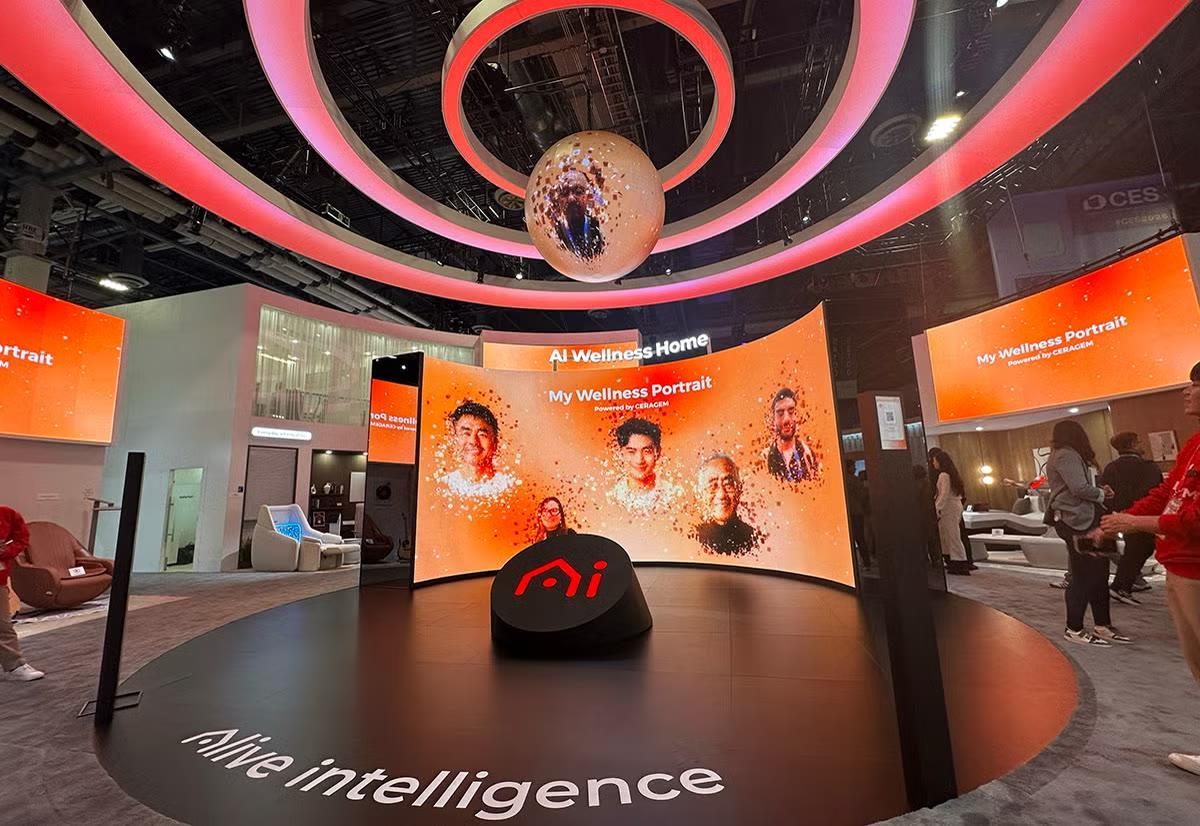
Ceragem’s dome theater: deep engagement over showstopper volume. Photo: Event Marketer.
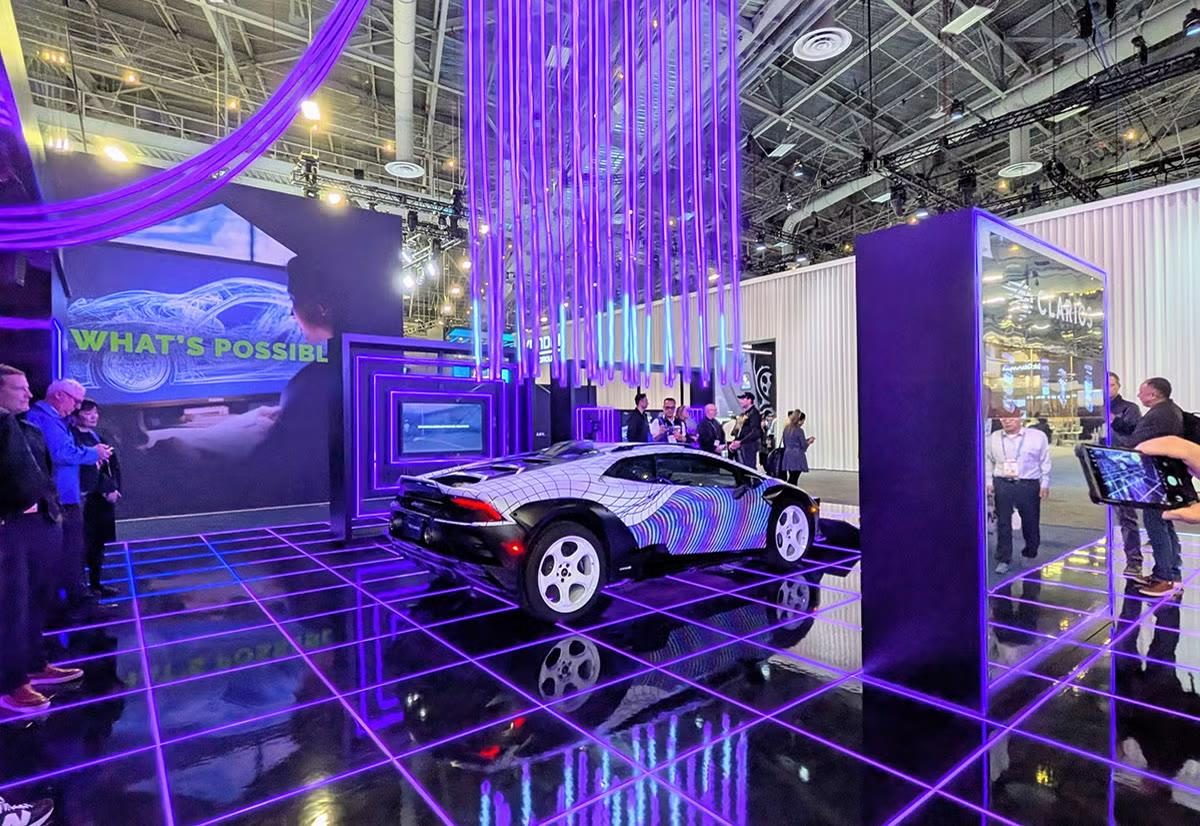
Clarios: one coherent purple world, car included. Photo: Event Marketer.
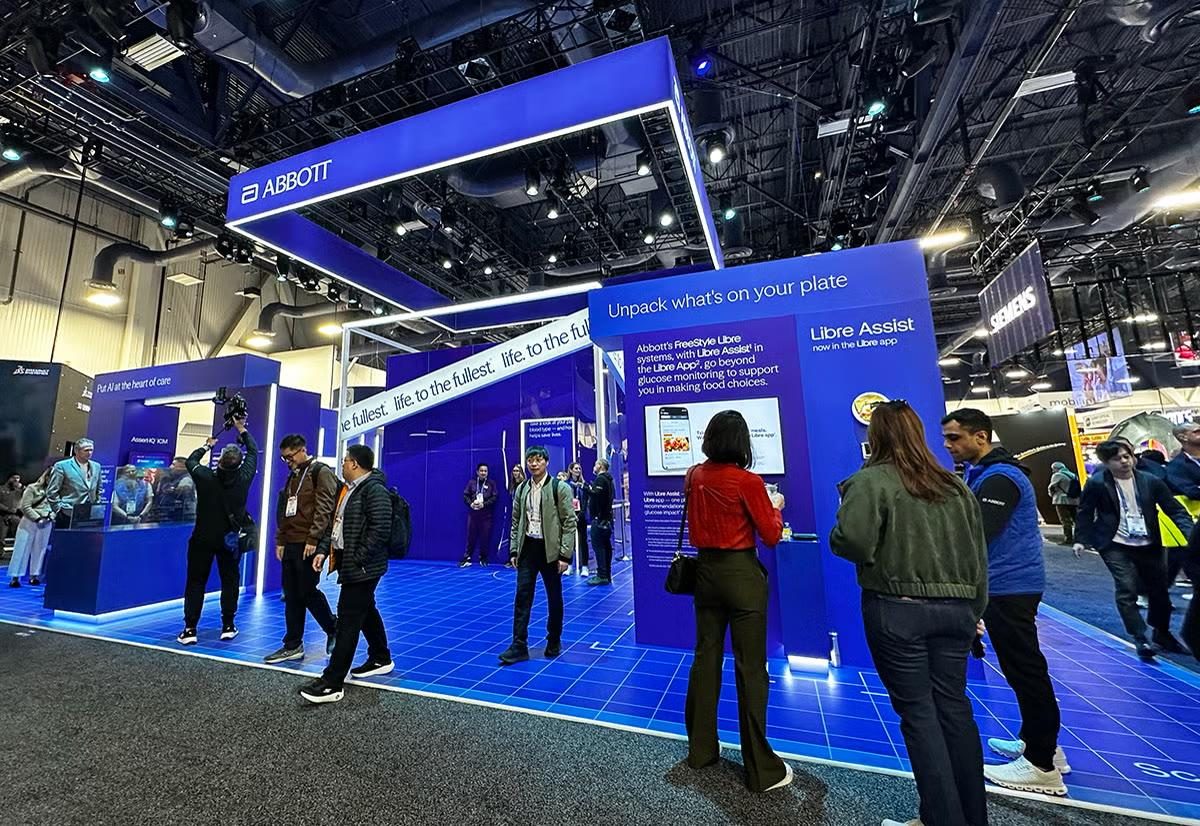
Abbott’s hero space: clarity and circulation over spectacle. Photo: Event Marketer.
Source: Event Marketer, "CES 2026: Editors’ Picks for the Best of the Booth Experiences" (Jan-Feb 2026; show ran Jan 6 to 9, Las Vegas, 148,000+ attendees).