 Sign In
 6 min6 min read

What to send a fabricator before you ask for a quote
Send a fabricator the details that change the price: the space and every door on the way in, event dates plus install and strike, what you already have, how long the build has to live, power and tech, who touches it, who approves it, what happens after, and a budget range. Two touring builds show why. Shigeru Ban's Nomadic Museum rented most of its 148 shipping containers at each stop, and Zaha Hadid's pavilion for Chanel had to fit into shipping containers between cities.
In brief. Send a fabricator the details that change the price: the space and every door on the way in, event dates plus install and strike, what you already have, how long the build has to live, power and tech, who touches it, who approves it, what happens after, and a budget range. Two touring builds show why. Shigeru Ban's Nomadic Museum rented most of its 148 shipping containers at each stop, and Zaha Hadid's pavilion for Chanel had to fit into shipping containers between cities.
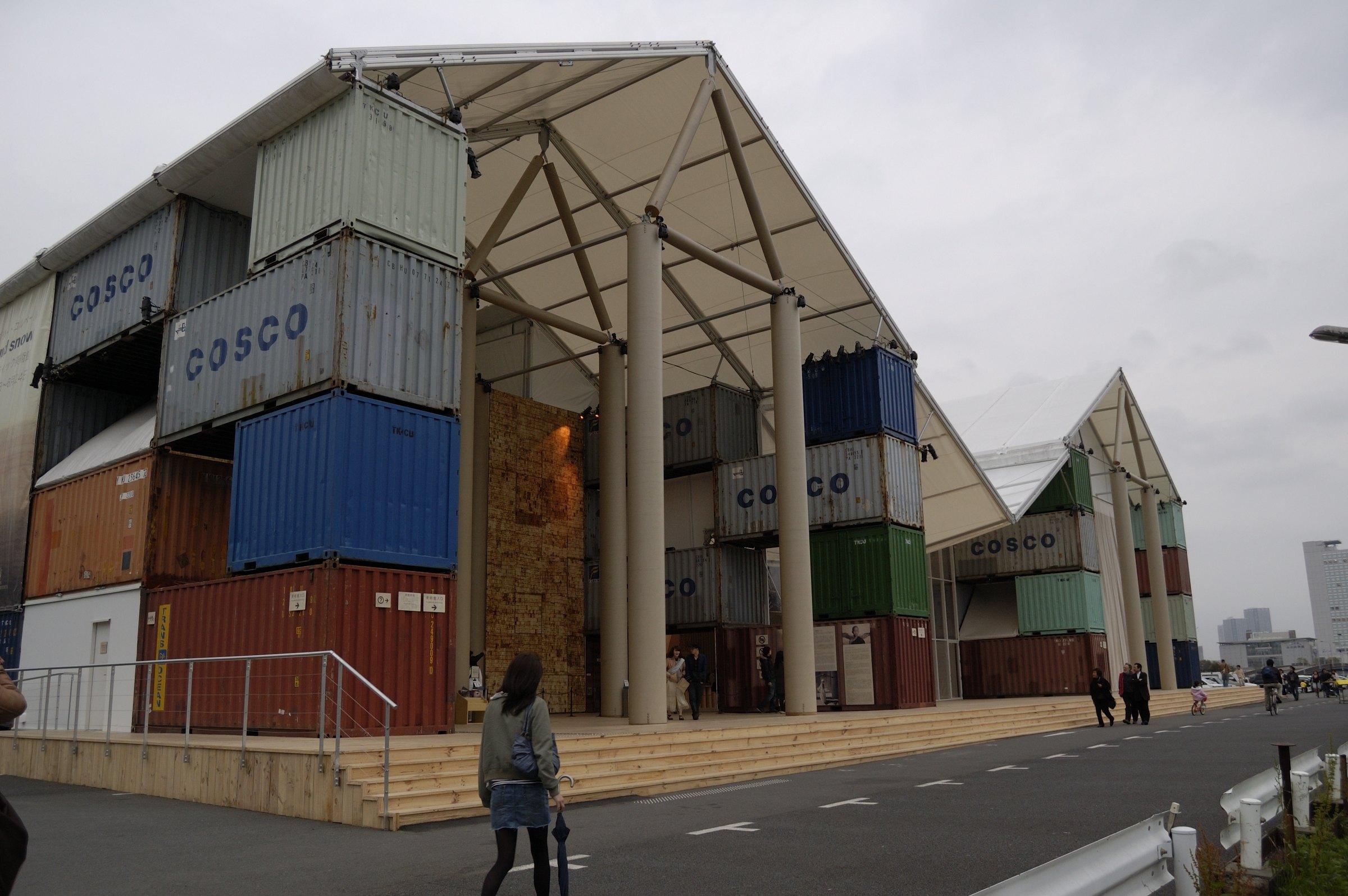
In 2005, Shigeru Ban built a museum 693 feet long on Pier 54 in Manhattan, out of 148 steel shipping containers and columns made from paper tubes 30 inches wide. It housed Gregory Colbert's exhibition Ashes and Snow and was designed to travel with it. Most of the containers never travelled. Metropolis reported that the bulk were to be rented at each venue, with roughly a quarter used to ship the rest of the building, because moving a whole building would have been "prohibitively expensive."
One fact in the brief, that the show would tour, decided the walls, the columns and the budget before anyone drew a joint. It's the kind of detail a fabricator needs on day one, and it's often missing when a request for a quote goes out.
Brience is a Toronto-based custom fabrication and experiential design studio. When a brief lands, these are the details we look for first, because each one moves the number.
The details that change the price
The space and the way in. The venue, the footprint, the ceiling height, the floor, and the size of every door, elevator and loading dock on the route. A piece that can't fit through a door gets split into sections, and every split adds joins, hardware and install time.
The dates, including install and strike. Event days plus the install window and the strike deadline. Overnight installs and loading dock bookings change labour costs.
What you already have. An idea, a sketch, renders or drawings, plus brand guidelines and photos of finishes you like. The less that's decided, the more design time sits in the quote.
How long it lives. One night, two weeks or twenty stops. Something set up once is built differently from something set up twenty times, with modular joins, tougher edges and crates.
Power and tech. Screens, lighting, sensors, sound and internet. At an Ontario trade show, uncertified electrical equipment needs written permission from ESA.
Who touches it. Guests, staff or a street team. Anything people lean on, open and refill gets built heavier.
Approvals. Who signs off and how long each round really takes. Some paperwork has its own clock: the City of Toronto's sidewalk sale permit asks for at least eight weeks' notice.
After the event. Reuse, storage or disposal. A build that goes into storage needs a crate and a place to live.
A budget range. It tells the shop whether to price the real material or a finish that reads like it. For scale, our focused single-element builds start in the low five figures.
Touring decided the Nomadic Museum
The Nomadic Museum was 67 feet wide with about 45,000 square feet inside, and Metropolis reported it went up in eight weeks. The paper tubes were chosen partly because they were cheap to replace and easy to recycle, and the plan was to buy new columns in Europe and Asia rather than ship them.
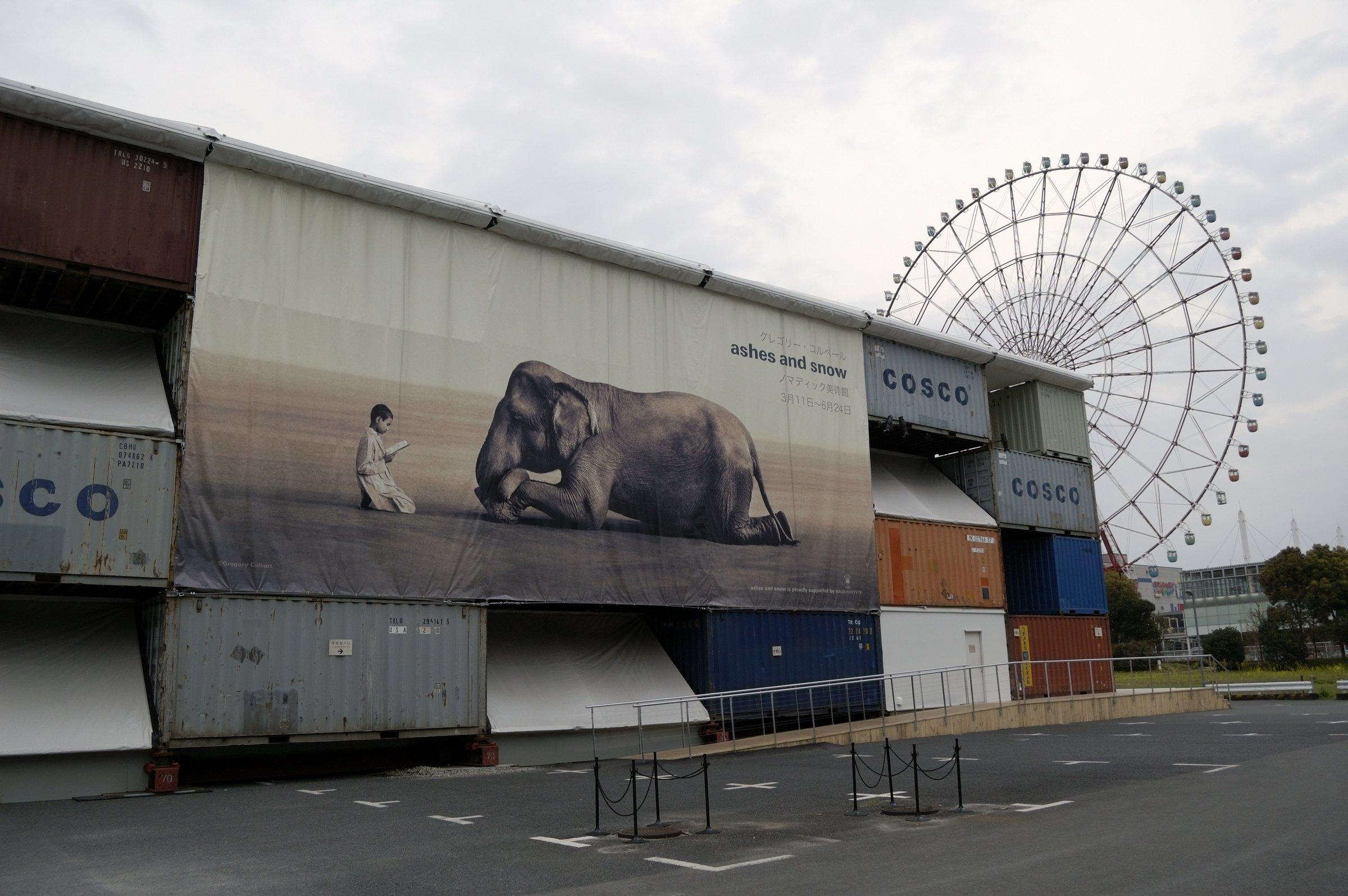
When the museum moved to Santa Monica, the site changed the engineering. ArchDaily describes how the containers sat on eight-inch pipe columns drilled 40 feet into the ground for seismic reasons, and aluminium extrusions replaced the steel trusses used in New York. It later stood in Tokyo, and a fourth version went up in Mexico City. That's why a brief needs the site itself, not only the footprint.
Shipping shaped Chanel's pavilion
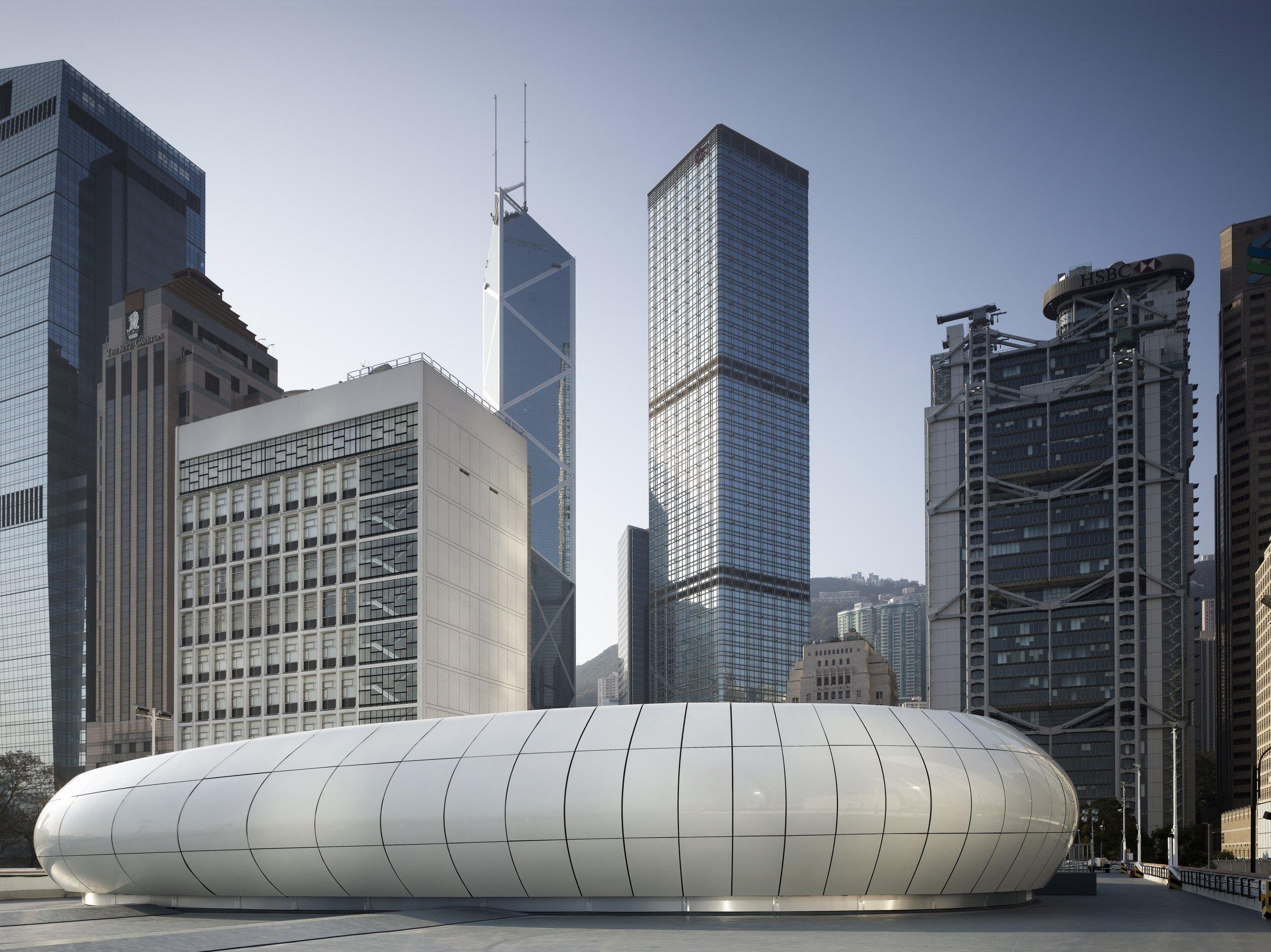
In 2008, Zaha Hadid Architects designed the Mobile Art pavilion for Chanel: about 700 square metres of steel structure wrapped in fibre-reinforced plastic panels. It opened in Hong Kong in February, moved to Tokyo in May and ended in New York's Central Park that fall. ZHA says that because of the shipping between cities, the steel structure was designed to be built in under a week.
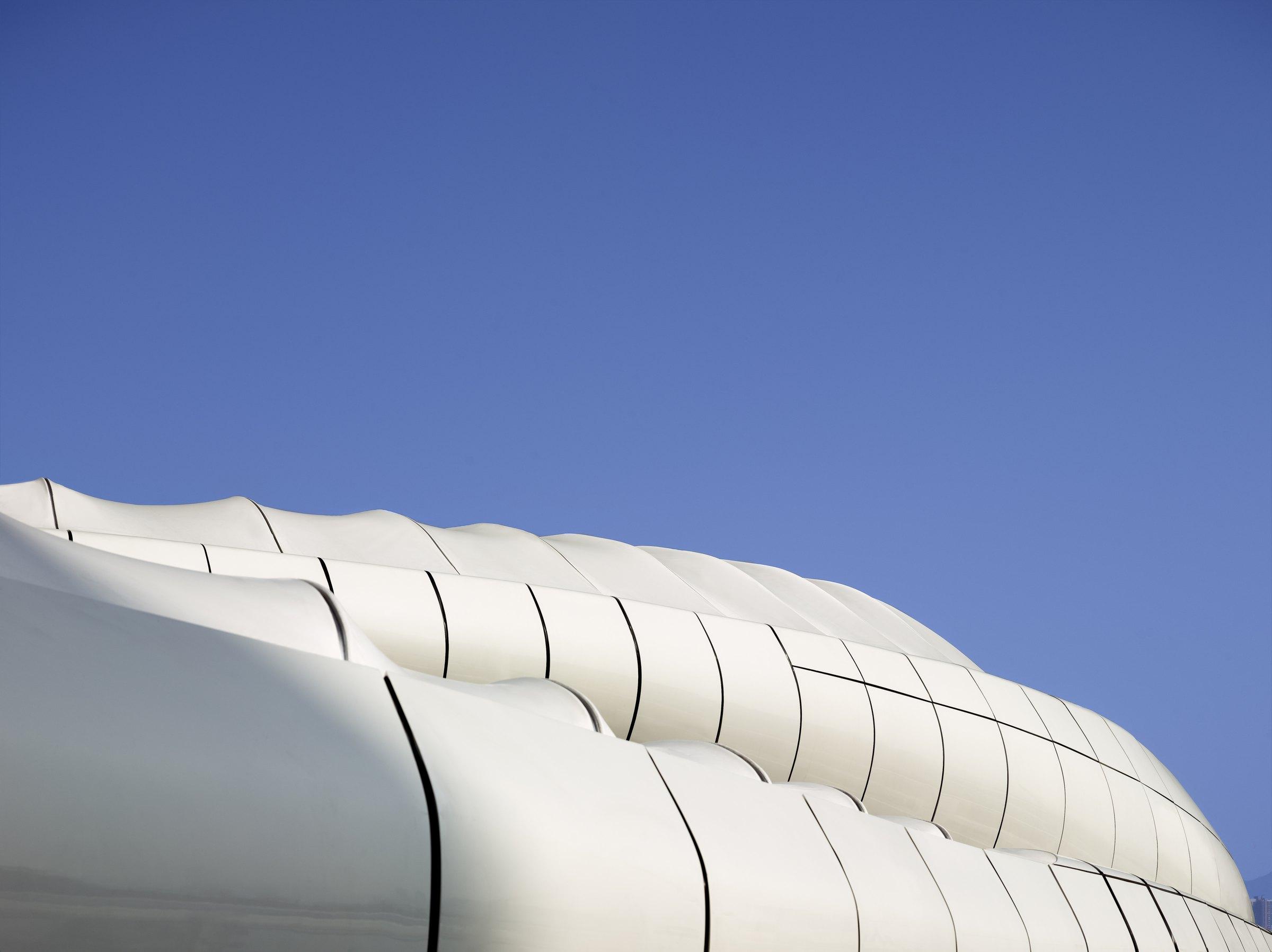
Fabric Architecture magazine reported that the pavilion had to be light and compact enough to fit into shipping containers for a six-city tour. The panels, made by Stage 1 in Yorkshire, got several layers of car paint so their smooth, continuous surface wouldn't be damaged in transit. In December 2008, Chanel cancelled the London, Moscow and Paris stops, and the magazine suggested the cost of transport and the 80-person crew needed to assemble and pack the pavilion may have been why. Chanel later gave it to the Institut du Monde Arabe in Paris.
In both builds, the journey shaped the structure and the finish before anyone saw the result. If you only have time for three lines in an email, make them these: where it's going, how it gets in, and how many times it has to go up. Our guide to hiring a fabricator in Toronto covers what comes next, from reading the quote to venue rules. If you'd like a second read of a brief before it goes out, send it to us.
Sources: Metropolis, "Ban's Roaming Cathedral" (June 2005); ArchDaily, "AD Classics: Nomadic Museum / Shigeru Ban Architects" (January 2016); Zaha Hadid Architects, "Mobile Art Chanel Contemporary Art Container" (project page); Fabric Architecture, "Chanel's Mobile Art Pavilion shows fabrics' portability and flexibility" (March 2009); Electrical Safety Authority, "Trade shows"; City of Toronto, "Sidewalk sale permit".