 Sign In
 5 min5 min read

Milklab hid a barista inside a vending machine. The wait was the point.
On November 7 and 8, 2026, Milklab ran Barista in a Box at Coffee Weekend in Melbourne’s Queen Victoria Market: a vending machine with a barista inside. Visitors followed Milklab on Instagram, took a coin naming their milk, pushed for barista and watched through a side window while a real barista made the drink by hand, in about four or five minutes. Milklab reports more than 400 coffees. The lesson: when a person works inside the prop, design the box around their shift first, and let the wait be part of the show.
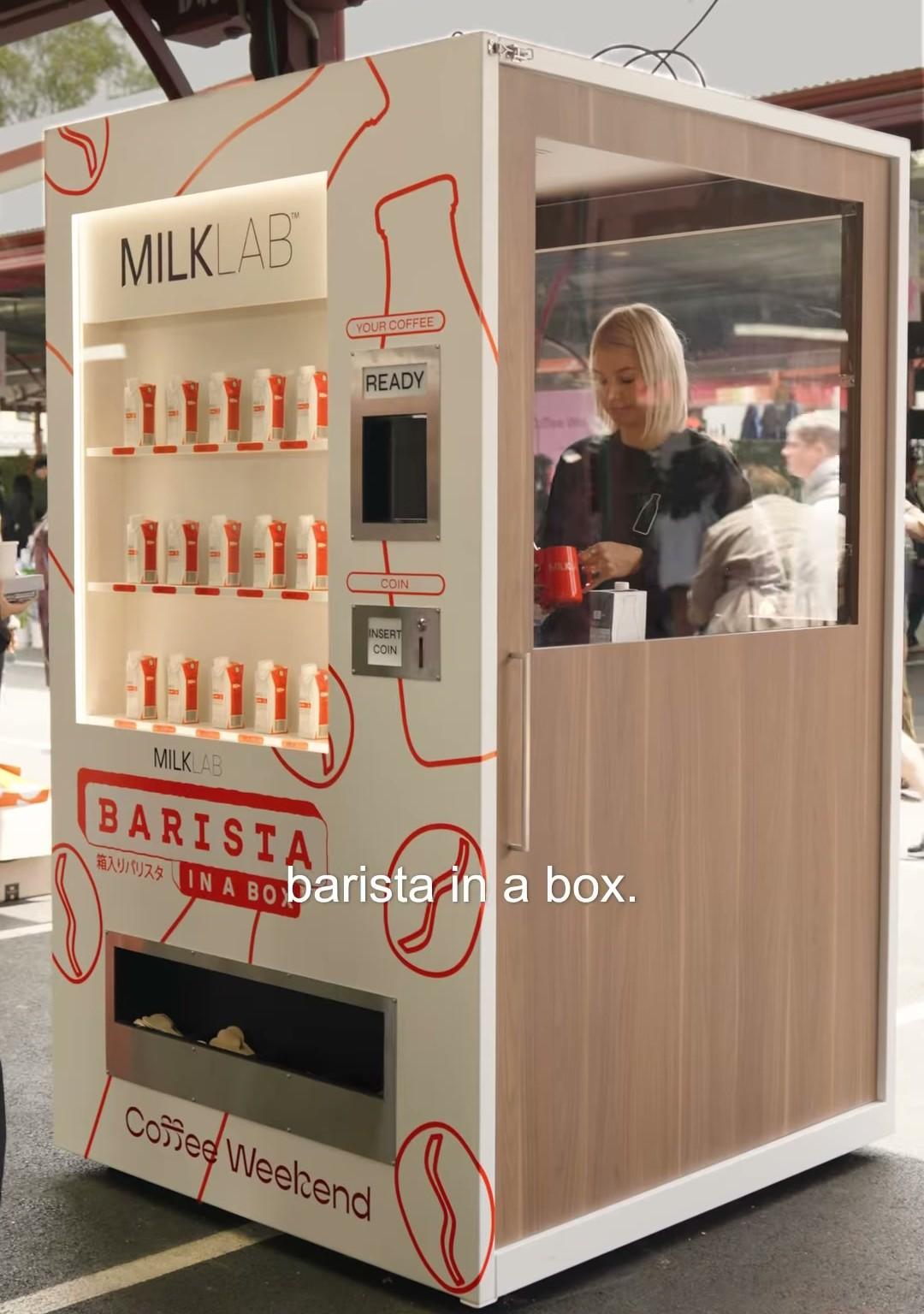
In brief. On November 7 and 8, 2026, Milklab ran Barista in a Box at Coffee Weekend in Melbourne’s Queen Victoria Market: a vending machine with a barista inside. Visitors followed Milklab on Instagram, took a coin naming their milk, pushed for barista and watched through a side window while a real barista made the drink by hand, in about four or five minutes. Milklab reports more than 400 coffees. The lesson: when a person works inside the prop, design the box around their shift first, and let the wait be part of the show.
Milklab calls it the world’s slowest vending machine. Each drink took four or five minutes, and on November 7 and 8, people queued for it anyway.
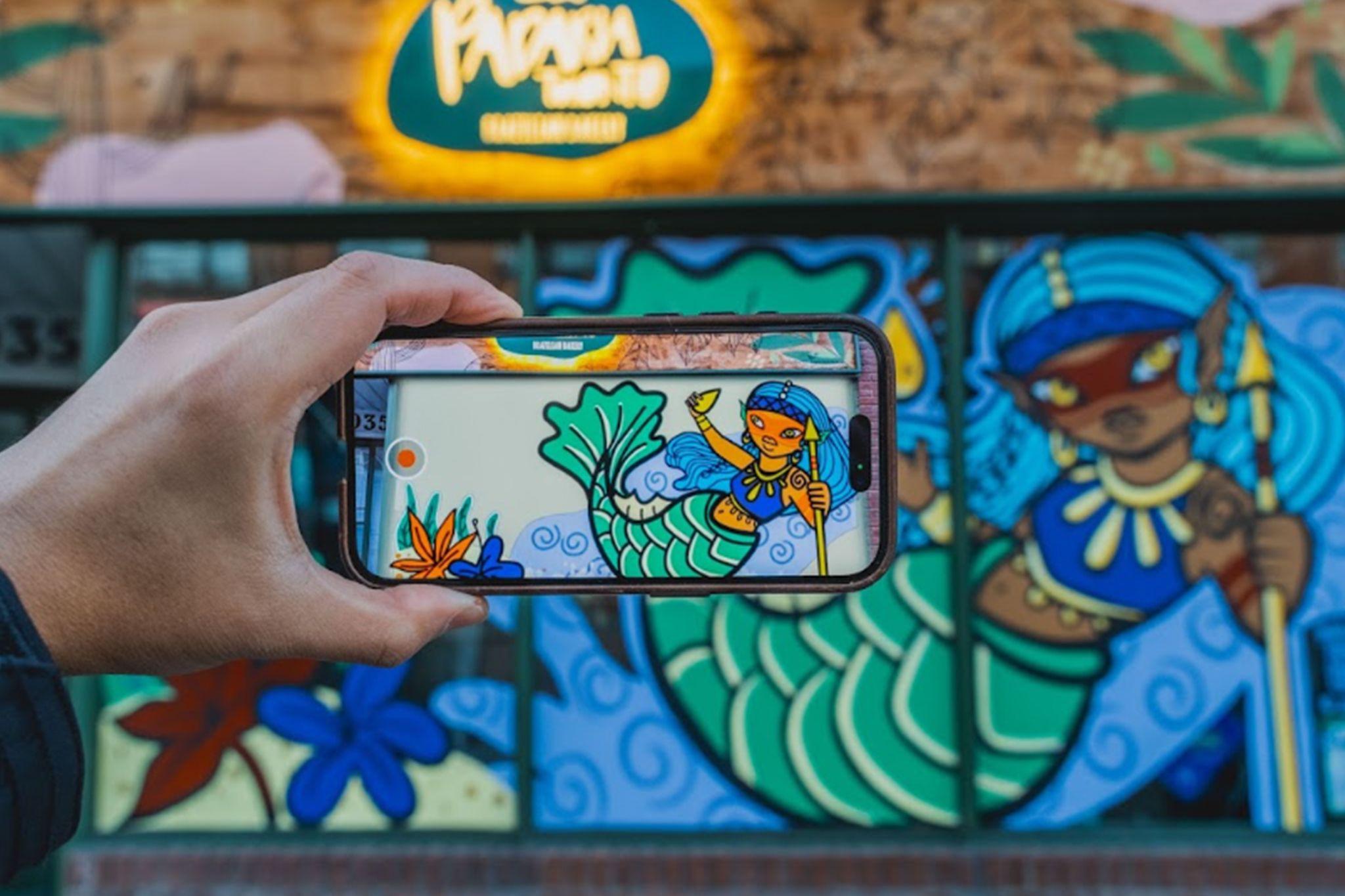
It was Milklab’s Barista in a Box, set up for Coffee Weekend under the market’s sheds in Melbourne. From the front it looked like a drinks machine: lit shelves of Milklab cartons, a coin slot, and a stainless hatch marked “Your coffee” and “Ready”. Walk around the side and there’s a window, and behind it a barista pulling shots and steaming milk by hand. “No automation. No instant coffee. Just a real barista inside a box, handcrafting every cup,” is how Milklab described it on Instagram.
Coffee Weekend is a ticketed festival run by the creative studio SNKPK, with filter coffee from more than 40 roasters. Milklab, the Australian barista milk brand, had a festival crowd of coffee drinkers in front of it. The box gave them something to queue for.
How the box worked
An A-frame sign beside the machine set out the deal: “Is free delicious coffee worth a follow?” Here’s the sequence, going by the sign and two reels from the weekend:
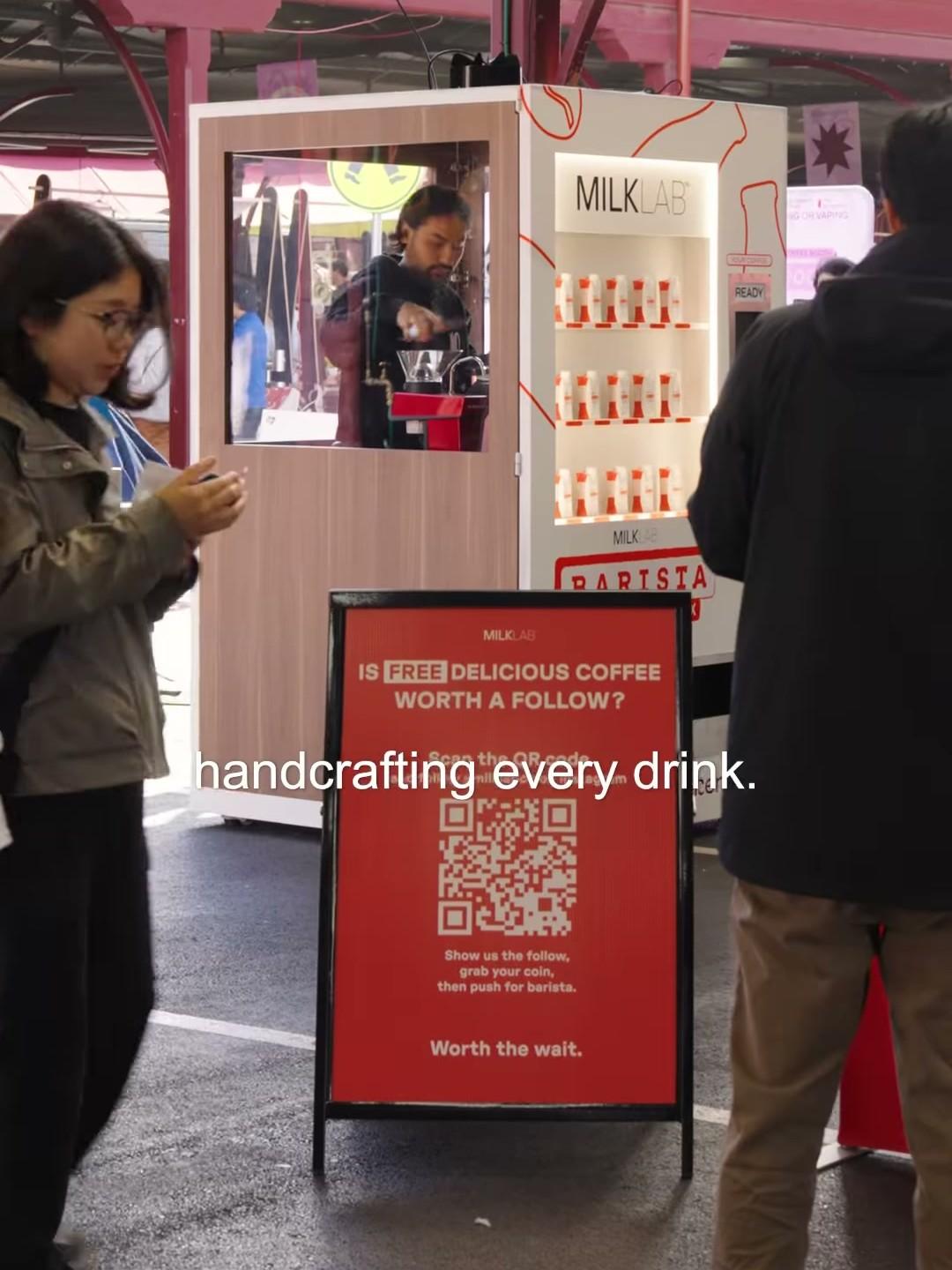
Follow: scan the QR code and follow @milklabco on Instagram.
Take a coin: show the follow and pick a coloured coin. Each one names a Milklab milk, such as almond, oat, macadamia or lactose free.
Push for barista: put the coin in the slot marked “Insert coin” and wait.
Watch: through the side window, a barista makes the drink by hand. The presenter in Golden Brown Coffee’s reel, a paid partnership, puts the wait at “like, 4 or 5 minutes”.
Milklab’s own reel says it surprised customers with two guest baristas in the box: Anthony Douglas, who won the 2022 World Barista Championship, and Australian Latte Art Champion Victor Vu. Golden Brown Coffee’s caption says the box was fitted out with La Marzocco Home Australia and served Allpress espresso. Milklab reports more than 400 handmade coffees across the weekend.

 Get a Quote
 Request your personalized project
Why people waited
A vending machine promises speed. This one broke the promise on purpose, and the sign admitted it: “Worth the wait.” The joke works because the shell is so familiar. People know what a coin slot does, so the shell needs no explaining, and the surprise lands the moment they see a person where the machinery should be.
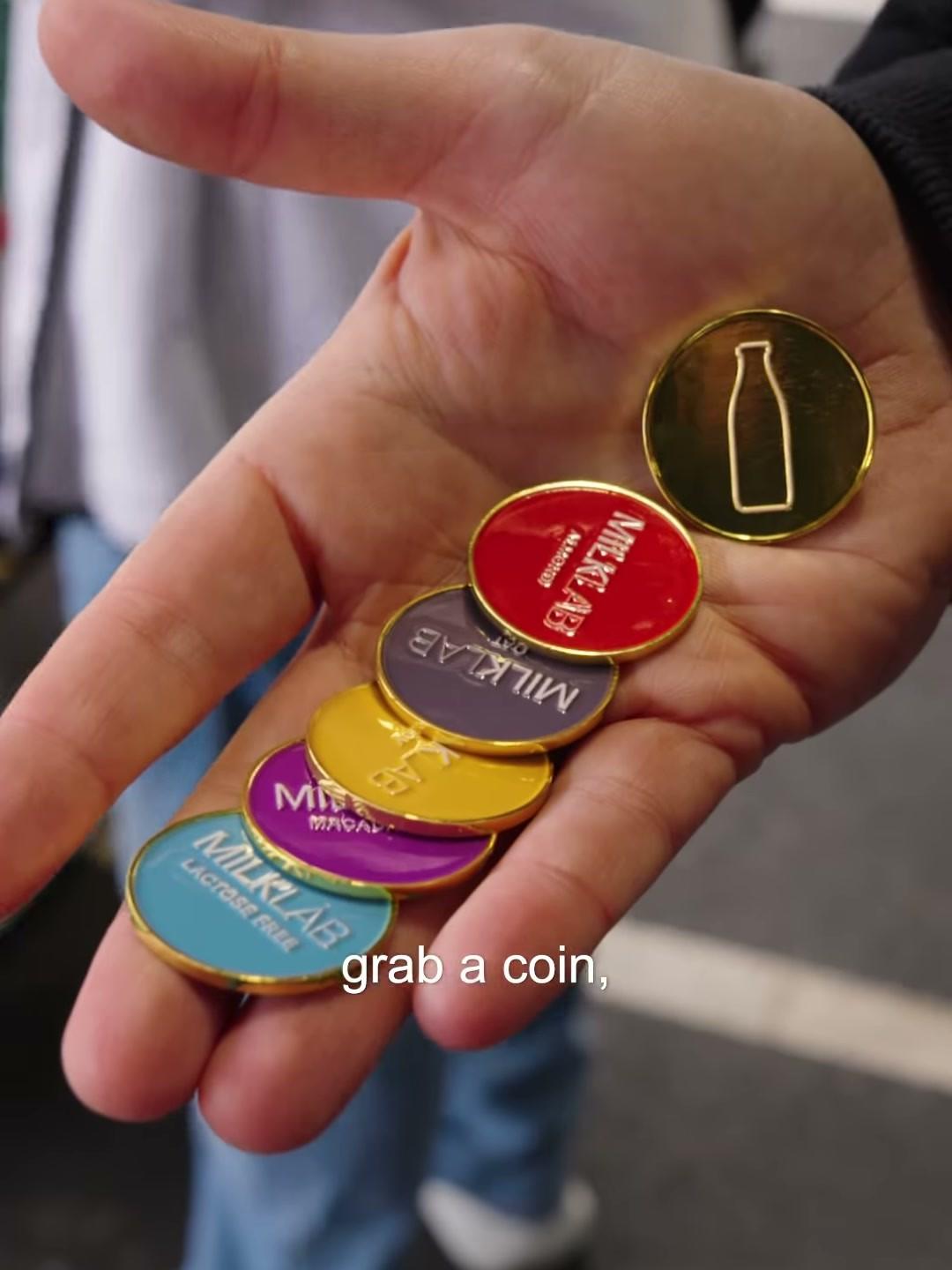
The coin does more than it looks. It turns an Instagram follow into something you hold, and it makes you choose a milk before you order. For a barista milk brand, that choice is the product demo.
The window turns the queue into an audience. People in line watch the barista steam and pour, so the minutes feel like a show rather than a delay. Milklab’s reel puts it this way: “Over 400 handmade coffees later at Coffee Weekend, it turns out when the coffee’s this good, people are happy to wait.”
The comments under that reel read like a touring wish list. People asked for it in Chicago, Singapore and South Africa, and one commenter asked, “Can we borrow this?”
Building a box someone works in
Someone worked inside this prop for a two-day festival, standing beside a hot espresso machine. That changes the build.
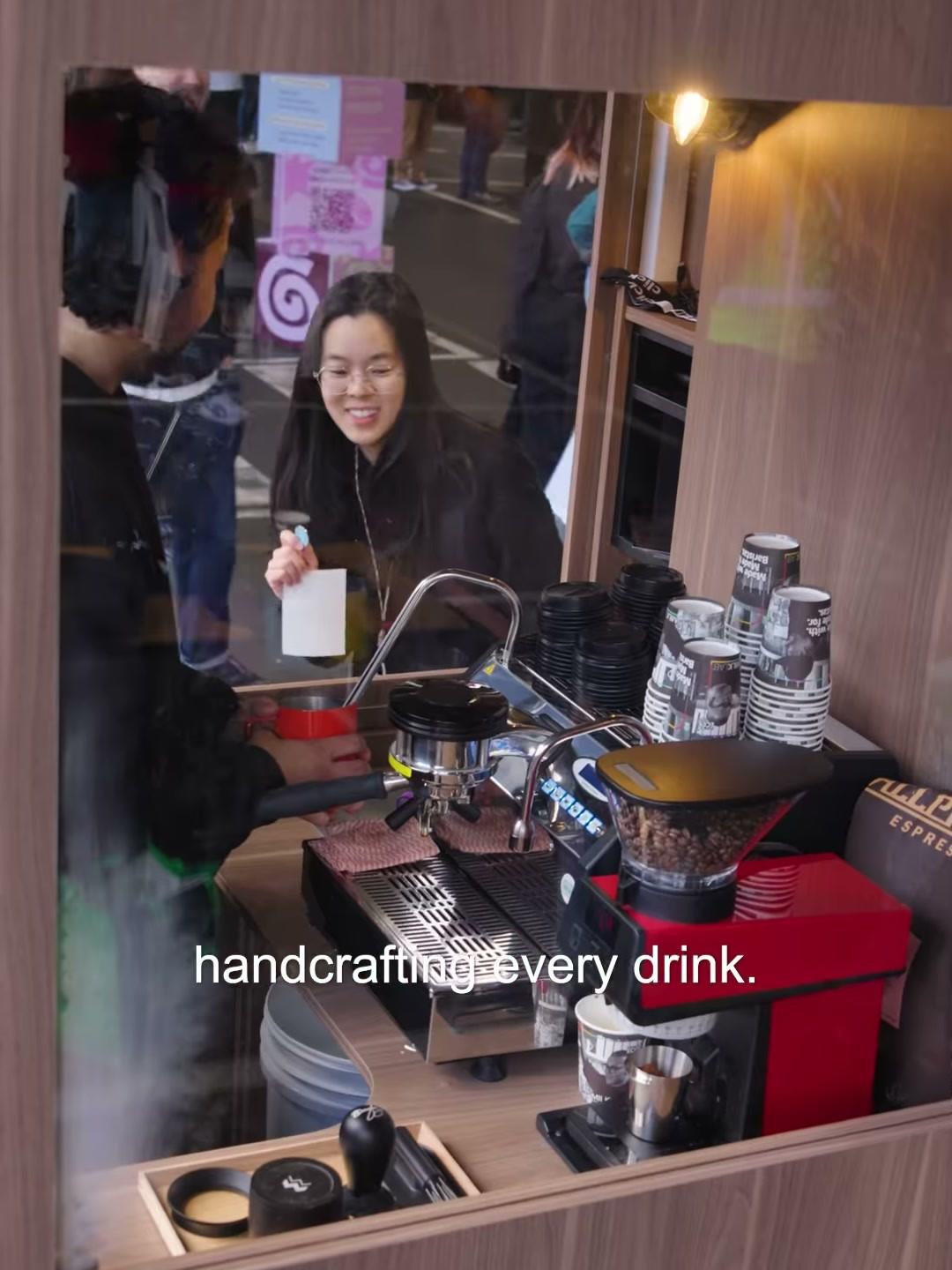
One commenter asked how hot it got inside. Milklab replied: “We ensured there was really good ventilation and we had a rotation of baristas.” That’s the right order of thinking. Before the graphics and the lit shelves, someone has to plan airflow, a way in and out, room to turn around, and a shift schedule.
The reels show other choices made for the person inside. The side panel has a door handle and a large window, so the barista can see the line and the line can see the barista. There’s a small lamp inside. Cables run from the roof to the top of the box. None of the posts we found credit a fabricator or agency, and we found no published dimensions.
 Shop ObjectsExplore our curated brand essentials
If you’re planning something like this for a GTA venue, settle a few questions before the render: where water, power and drainage come from, how the person inside gets out quickly, and whether the unit’s wiring needs approval. We covered that last one in our guide to ESA permission for booth electrics in Ontario.
Get a QuoteRequest your personalized projectAt Brience, a Toronto-based custom fabrication and experiential design studio, we’d start a brief like this from the person inside the box and work out to the coin slot. If you’re scoping a piece someone has to staff all day, talk to us.
Sources: MILKLAB, “The most human machine in Melbourne” (Instagram, November 2026); Golden Brown Coffee, “There is a real barista in this vending machine!” (Instagram, November 2026); Humanitix, “Melbourne Coffee Weekend 2026” (2026); Time Out Melbourne, “A Melbourne barista has just been crowned world champion” (October 2022).