 Sign In
 5 min5 min read

Does your booth's screen or sensor need ESA permission in Ontario?
Only if it isn't already approved. In Ontario, electrical equipment that is used or displayed must carry a certification mark or field evaluation label recognized by the Electrical Safety Authority. Unapproved gear can appear at a trade show only with ESA's written Permission to Show (not powered) or Permission to Energize (powered for demonstration), and ESA lists Permission to Energize for trade shows only, not consumer shows. For consumer shows and pop-ups, build around approved components.
In brief. Only if it isn't already approved. In Ontario, electrical equipment that is used or displayed must carry a certification mark or field evaluation label recognized by the Electrical Safety Authority. Unapproved gear can appear at a trade show only with ESA's written Permission to Show (not powered) or Permission to Energize (powered for demonstration), and ESA lists Permission to Energize for trade shows only, not consumer shows. For consumer shows and pop-ups, build around approved components.
The exhibitor manual for the One of a Kind Show's spring 2026 market at the Enercare Centre carries a warning that applies to any booth with lights or wiring: an inspector from the Electrical Safety Authority (ESA) will be on site during move-in, checking every booth's lighting and wiring. Lighting or wiring that wasn't assembled in a factory has to be approved by an accredited agency before move-in. Anything found deficient is fixed by the venue's in-house electricians at an hourly rate, after all the pre-ordered work is done.
Brience is a Toronto-based custom fabrication and experiential design studio, and the screens, sensors and lighting built into a booth are where this question comes up most on a brief. Here is what ESA's rules say, in plain language.
Approved means it carries a recognized mark
Rule 2-022 of the Ontario Electrical Safety Code says no one may use, advertise, display or sell electrical equipment unless it is approved. ESA explains that approved equipment bears the certification mark or field evaluation label of an organization accredited by the Standards Council of Canada and recognized by ESA. Its list of recognized marks runs to more than 25 certification bodies, from CSA and Intertek to UL. If the mark is missing, the equipment counts as unapproved.
Two details matter for custom builds:
Whole units, not parts. ESA expects equipment to be approved as a complete, assembled unit. Its list also names component marks from CSA, Intertek and UL that are not recognized on finished products, so a certified part inside a custom enclosure doesn't, by itself, make the finished piece approved.
Some gear is exempt. ESA's exceptions include portable battery-operated equipment and some equipment running off an approved Class 2 power supply, which can cover low-voltage gear such as a small sensor on a certified adapter. Approval is still required for light fixtures, decorative lighting, signs and displays, and lighting equipment that uses LEDs.
 Shop Objects
 Explore our curated brand essentials
What ESA allows at a trade show
For equipment that isn't approved yet, such as a prototype or an import without a recognized mark, ESA offers two notifications, applied for before the show:
Permission to Show: the equipment is on display but not connected to power. ESA lists it for trade shows only.
Permission to Energize: the equipment is powered for demonstration. ESA lists it for trade shows only, with no consumer shows. If there's no imminent hazard, ESA grants it for demonstration purposes only, and a notice on the equipment must say it isn't approved for sale in Ontario.
Filing doesn't grant permission; only ESA does, in writing. Either one lasts for that show alone and can't be carried to the next city, and unapproved equipment can't be sold under either. Inspectors on site can require an exhibitor to take out a permission on the spot.
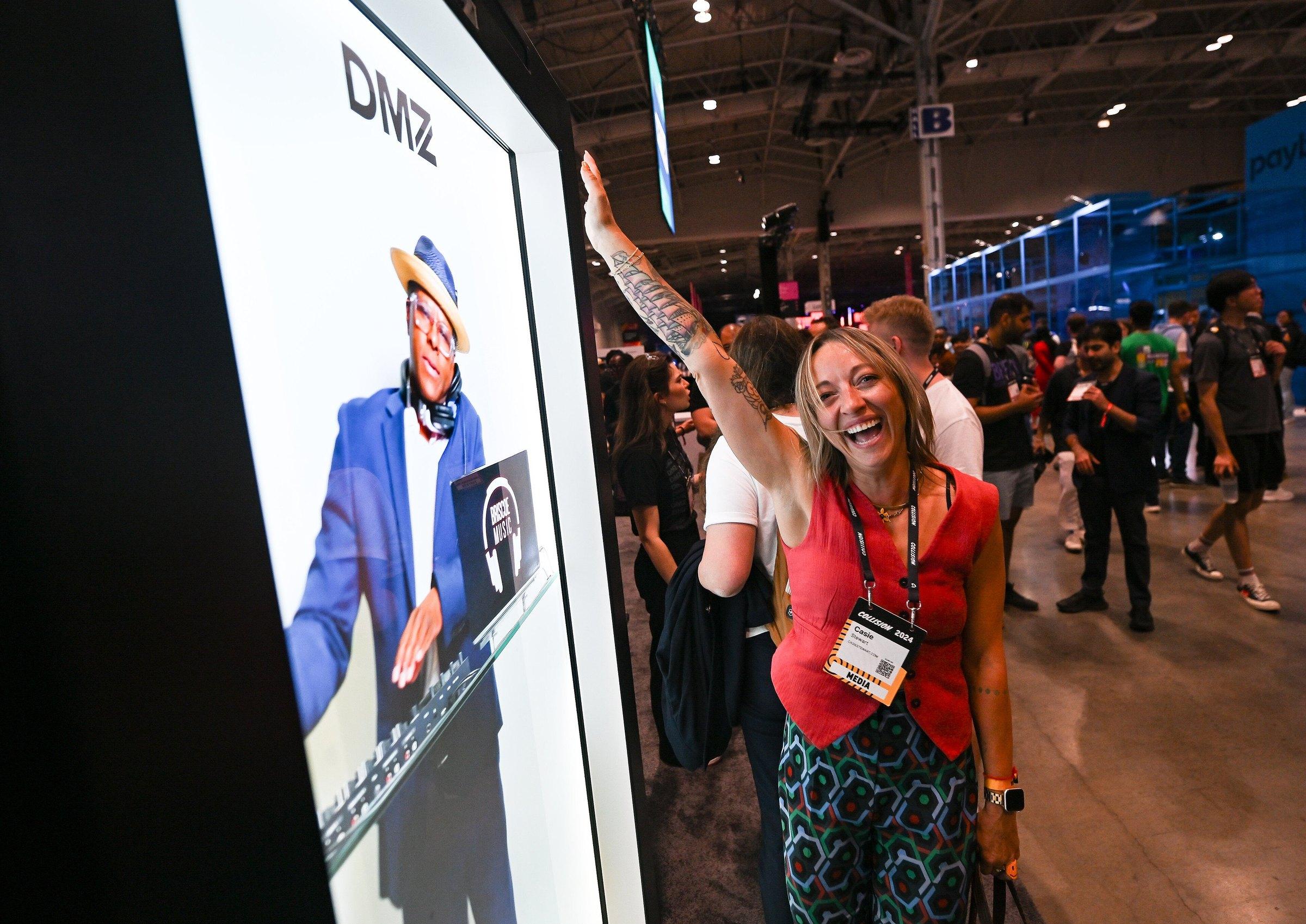
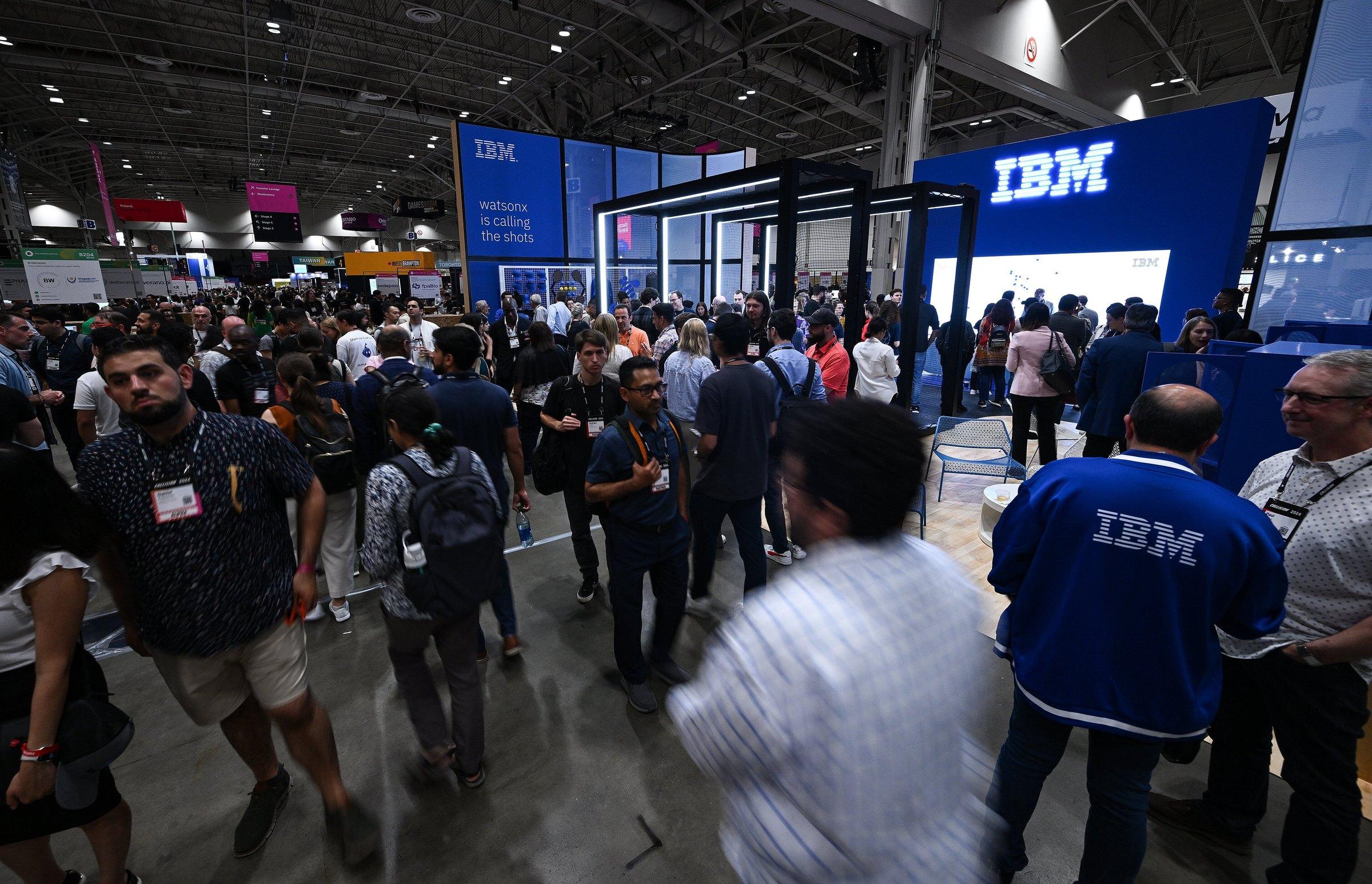
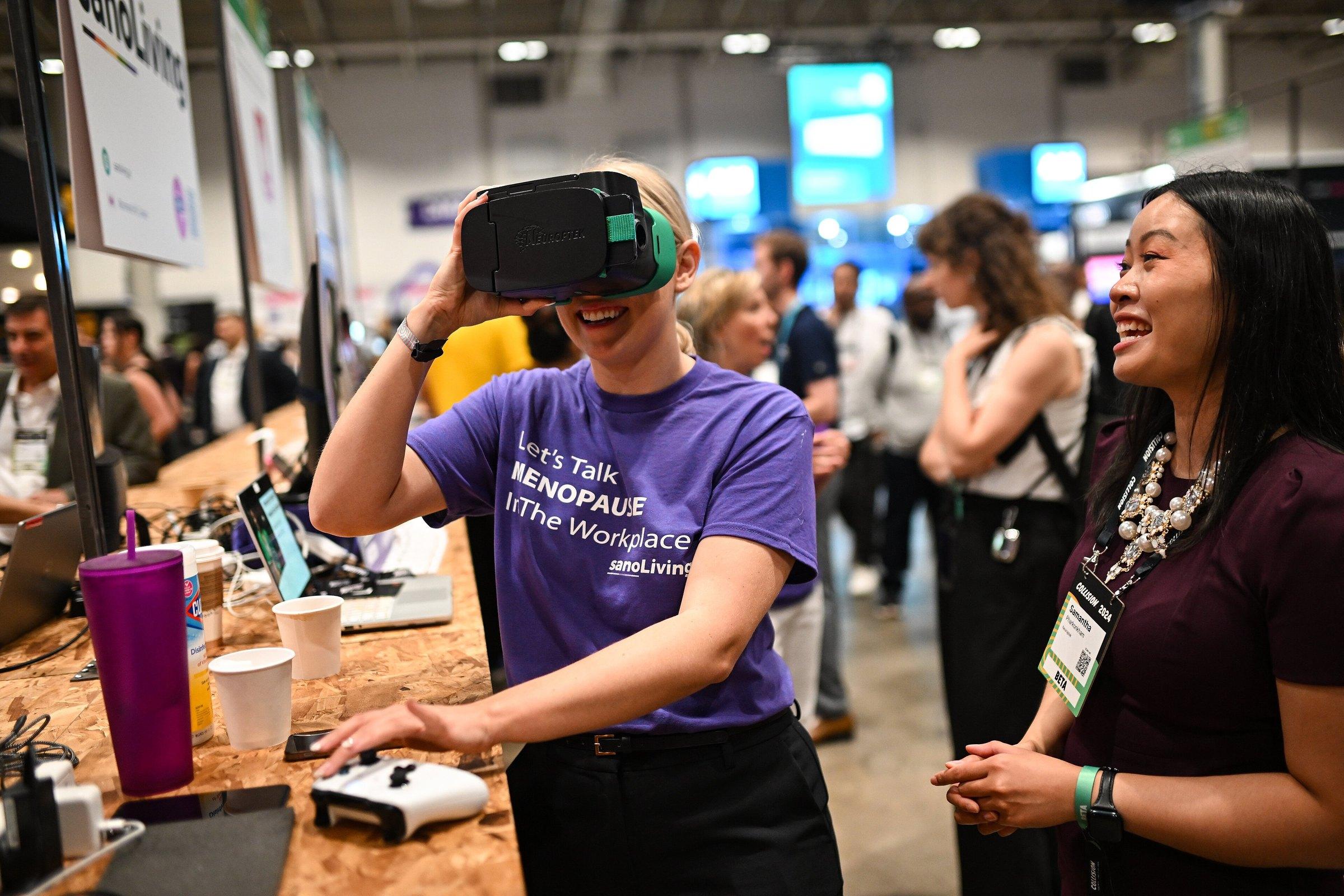
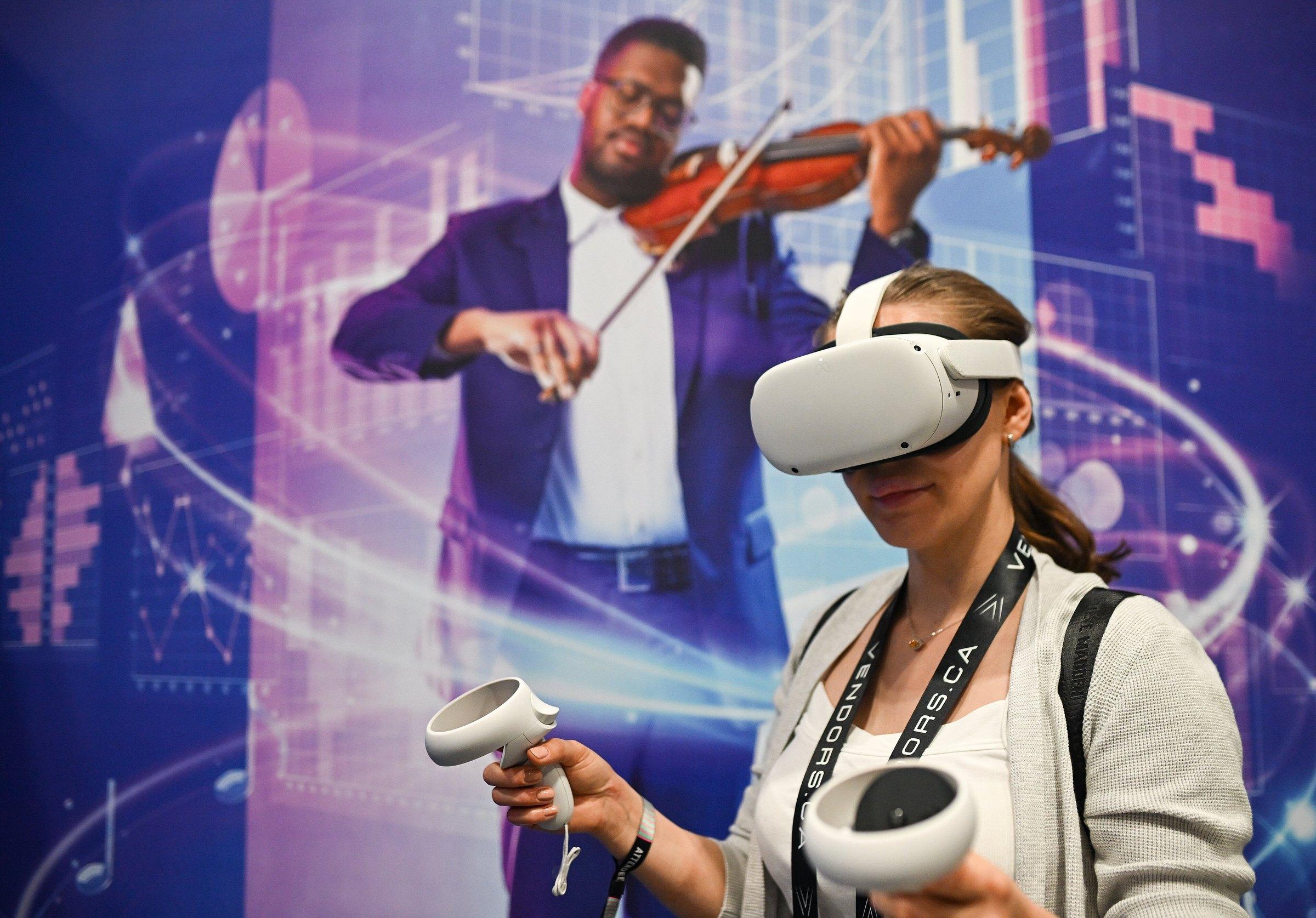
Collision 2024 at the Enercare Centre is a good picture of how many booths this touches: a hologram machine at the DMZ booth, VR demos at the Neuroptek and KPMG booths, a table tennis activation at IBM's stand. A headset running on its battery falls under ESA's battery exception. A display that plugs into the wall needs a recognized mark or, at a trade show, ESA's permission. Each powered piece is approved, exempt or in need of permission, and the time to know which is before the crate ships.

 Get a QuoteRequest your personalized project
Consumer shows and pop-ups: build around approved parts
ESA lists both permissions for trade shows, and Permission to Energize explicitly excludes consumer shows. As we read ESA's page, a public market, a mall pop-up or a store has no comparable route for powering unapproved equipment. That makes the design rule simple:
Specify certified devices: screens, media players, LED drivers and fixtures, checked for the mark before anything is ordered.
Keep them whole. A certified screen on its own cord inside a custom housing is a different case from LED tape spliced into a custom sign. New wiring is what the OOAK manual says needs an accredited agency's approval before move-in.
Book field evaluation early for anything custom-wired. ESA's list includes the agencies that do it.
Order venue power from the official supplier. At OOAK that is Showtech, and exhibitors may not share what they order.
Get a QuoteRequest your personalized projectOn a brief with screens or sensors, we'd ask for the make and model of every powered part and check each one against ESA's list before the enclosure is drawn. For the rest of a venue's checklist, see our guide to hiring a fabricator in Toronto, or talk to us about your build.
Sources: Electrical Safety Authority, "Trade Shows and Unapproved Electrical Products", "Recognized Approval Marks" and "Exceptions to Product Approval Requirements" (accessed November 2026); One of a Kind Show, "Spring 2026 Exhibitor Manual: Booth Regulations" (2026); Collision, Collision 2024 photographs via Wikimedia Commons (June 2024).