 Sign In
 6 min6 min read

Product sampling in Toronto: which permit, and where?
Toronto has no single product sampling permit; the rules depend on where you hand things out. The sidewalk sale permit is only for a store's own frontage, with eight weeks' notice. Street closures need a street event permit. The sidewalks around Sankofa Square ban free samples, while the square itself rents 10x20 sampling spaces from $2,000 a day. City parks charge a sampling fee, the MTCC needs written approval, food needs Toronto Public Health notice and alcohol needs an AGCO permit.
In brief. Toronto has no single product sampling permit; the rules depend on where you hand things out. The sidewalk sale permit is only for a store's own frontage, with eight weeks' notice. Street closures need a street event permit. The sidewalks around Sankofa Square ban free samples, while the square itself rents 10x20 sampling spaces from $2,000 a day. City parks charge a sampling fee, the MTCC needs written approval, food needs Toronto Public Health notice and alcohol needs an AGCO permit.
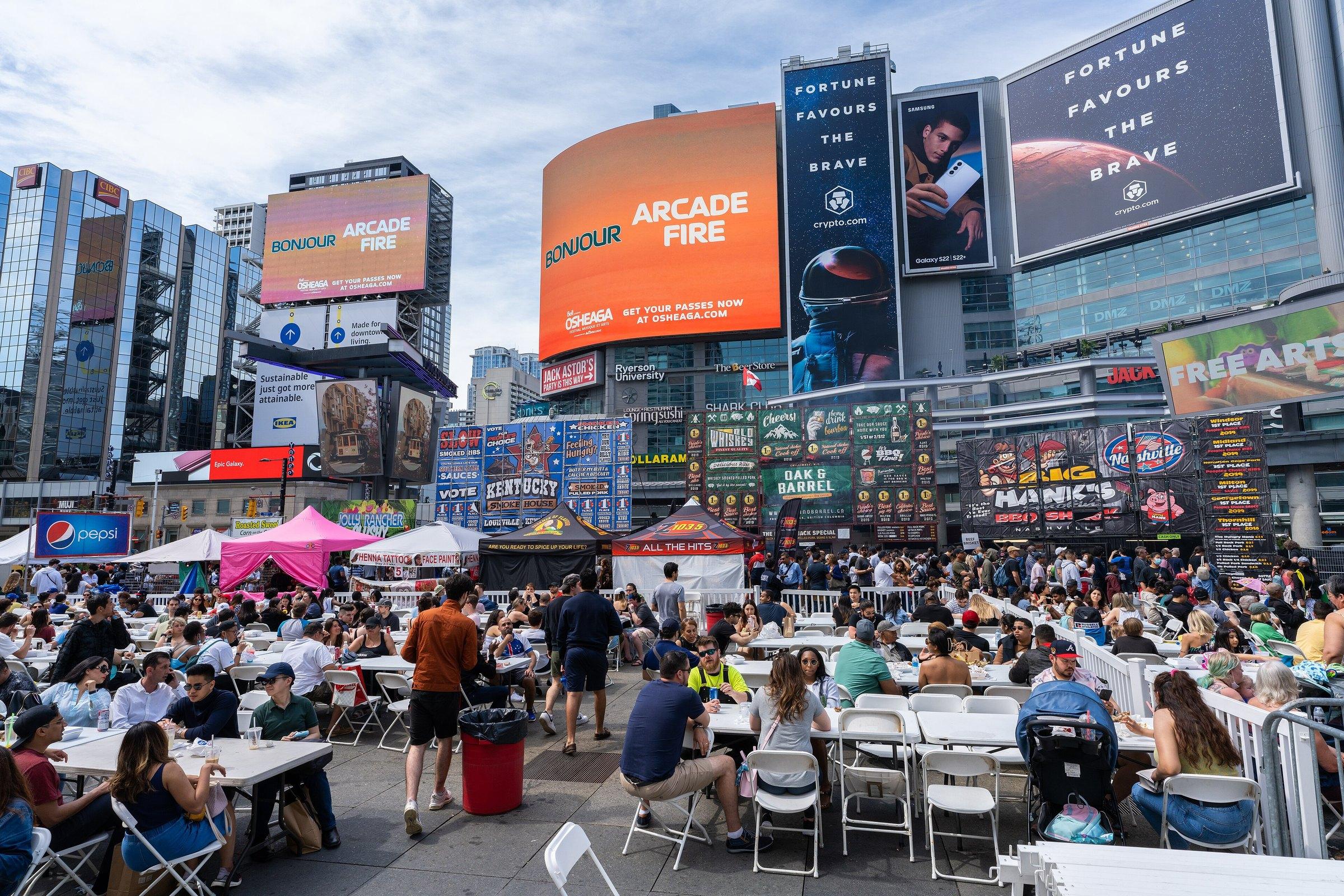
In April 2010, City staff wrote a report about the sidewalks around what is now Sankofa Square. The square's board had complained about portable stands, product samples, branded vehicles parked on the sidewalk, beverage coolers and beauty consultations crowding its edges. The report said there were "no specific regulations or prohibitions regarding product sampling or marketing on City sidewalks." Council then banned "street promotions" on those four sidewalks, and the ban is still in the Municipal Code.
That's still the shape of the answer. We couldn't find a single City of Toronto "sampling permit". What you need depends on whose ground you're standing on, what you're handing out, and whether it goes in someone's mouth.
 Shop Objects
 Explore our curated brand essentials
Brience is a Toronto-based custom fabrication and experiential design studio. Here's how the rules we found line up, from the point of view of whoever has to build the counter. Check each against the current page before you book: fees and forms change every year.
Sidewalks and streets: mostly not for sampling
Sidewalk sale permit. The City's sidewalk sale permit is for owners or occupants of a ground-floor commercial space, selling merchandise from a stand on the sidewalk in front of their own store. It needs at least eight weeks' notice and a certificate of insurance, and in 2026 costs $140.81 plus HST to apply and $422.37 plus HST per event. Serving food means following Public Health rules. It doesn't mention sampling, and it doesn't help a brand without a storefront.
Street event permit. Closing a street fully or partly for an event takes a temporary street closure permit: eight weeks' notice for local roads and boulevards, up to 16 weeks for arterial roads, $2 million in liability insurance with the City as additional insured, and proof that affected residents and businesses were told.
The sidewalks around Sankofa Square. Chapter 743 of the Municipal Code bans street promotions, defined to include free samples and free food or drink, on the sidewalks bordering the square, unless the City has given permission. Handing out flyers is the only exception. Anything left there can be removed and impounded, and perishables become City property.

 Get a QuoteRequest your personalized project
Squares, parks and convention centres
Managed spaces are where sampling is actually on the menu.
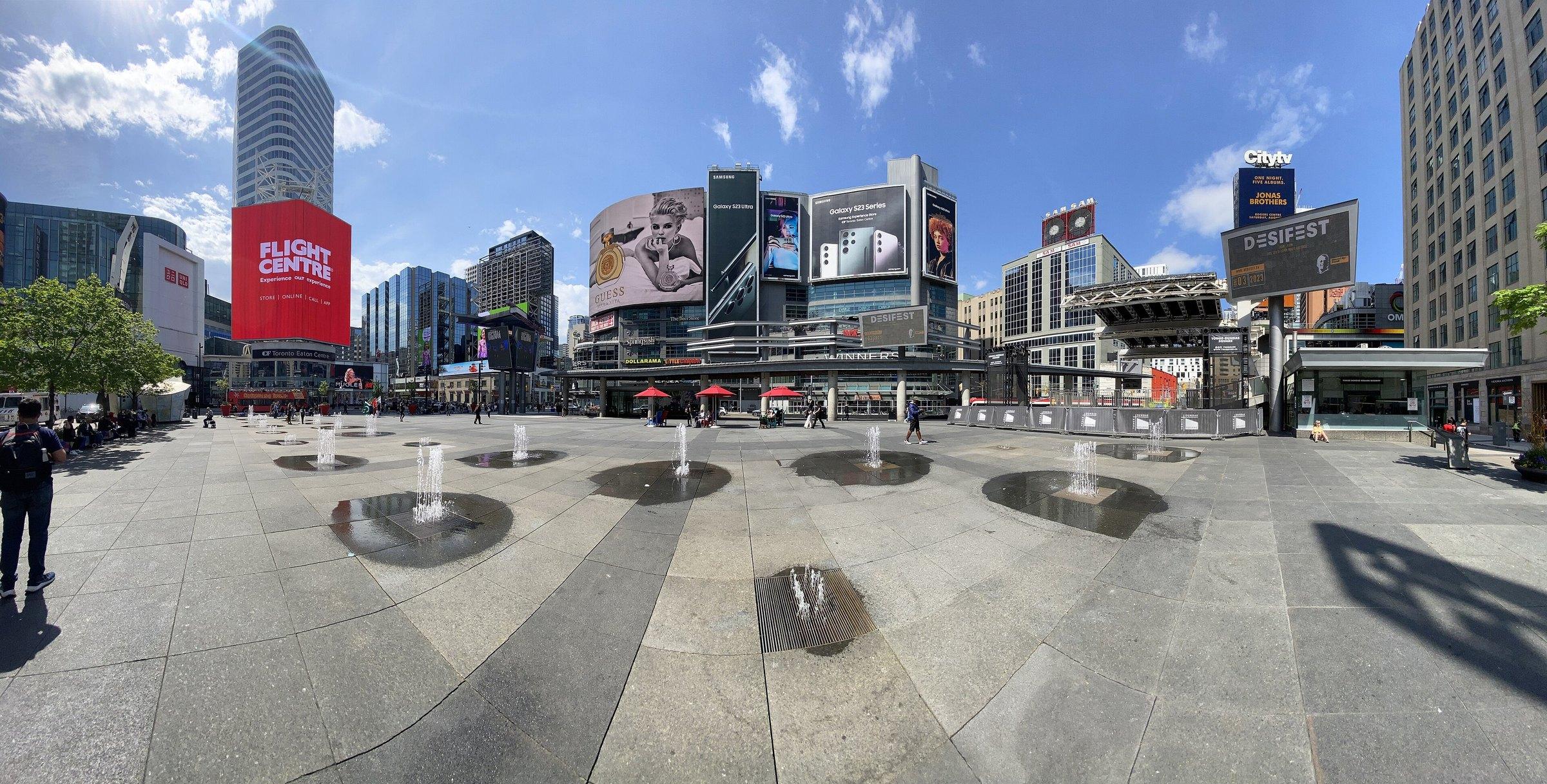
Sankofa Square lists product sampling among the commercial activations it hosts (book the square). Its preliminary 2027 price list charges $2,000 a day for a 10x20 promotional sampling space and $3,000 for 20x20, plus $500 a day if you book less than four weeks out. Its guidelines ask for $2 million in liability insurance naming the City and the square's board, Toronto Public Health approval for food with forms in 21 days ahead, and a site plan 14 business days before. Generators are banned, and electrical equipment without an ESA or CSA sticker, or modified equipment, is removed from site.
City parks. The City's special events booking page lists a daily sampling rate by park. At Sugar Beach, Sherbourne Common and other sites for up to 4,500 people, it's $1,178.50 on a weekday and $1,414.22 on weekends and holidays, before HST. Promotions have their own, higher rate. Insurance is required, and new requests are considered up to eight weeks before the date.
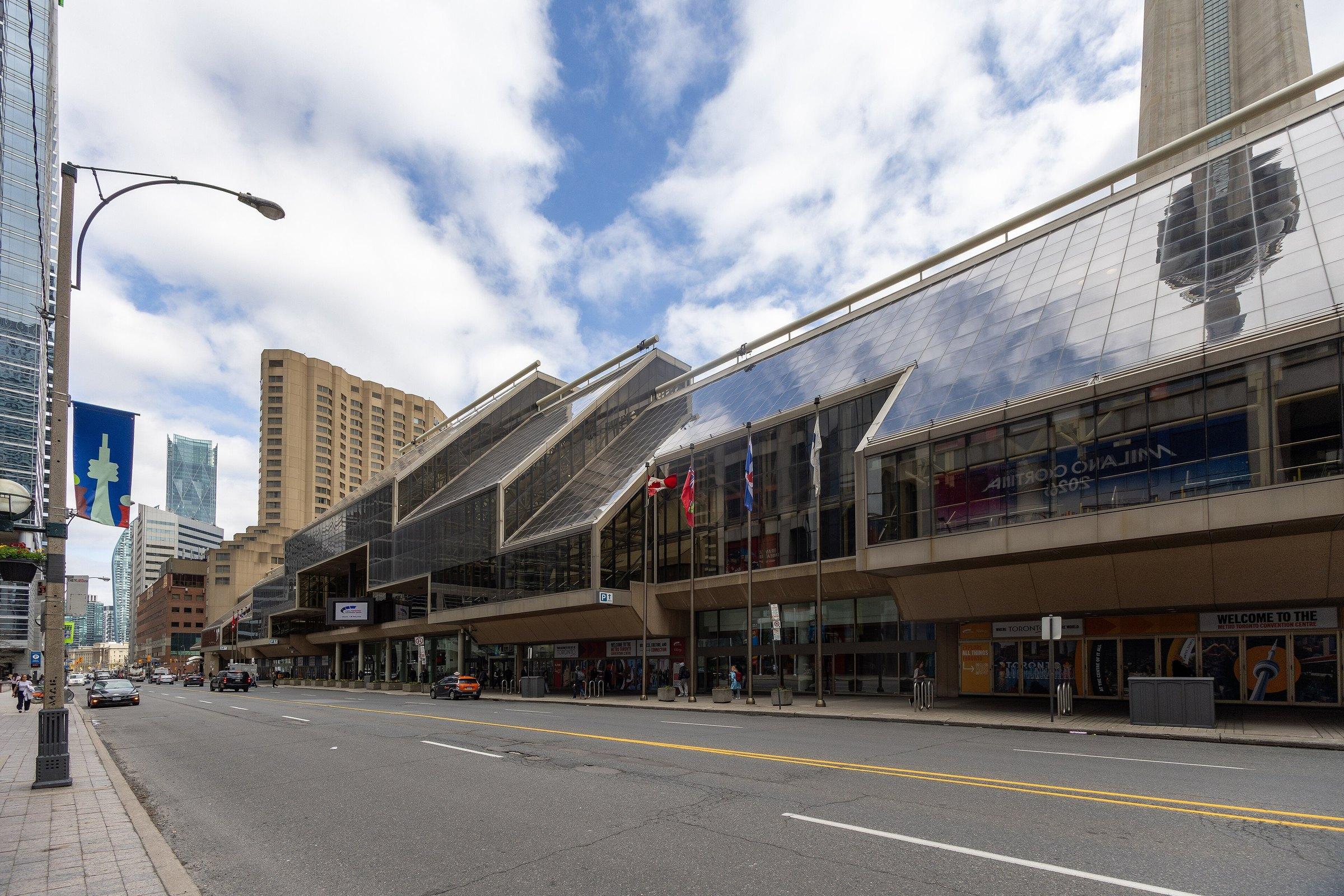
Metro Toronto Convention Centre. The MTCC holds exclusive food and beverage rights, so exhibitors sample only with written approval. Its 2023-24 request form caps drinks at 3 oz (89 ml) and food at 4 by 2 inches or 4 oz (114 g), keeps sampling inside the booth, and charges a loss of revenue fee to exhibitors who don't make or bring the product to market themselves.
Food and alcohol add their own paperwork
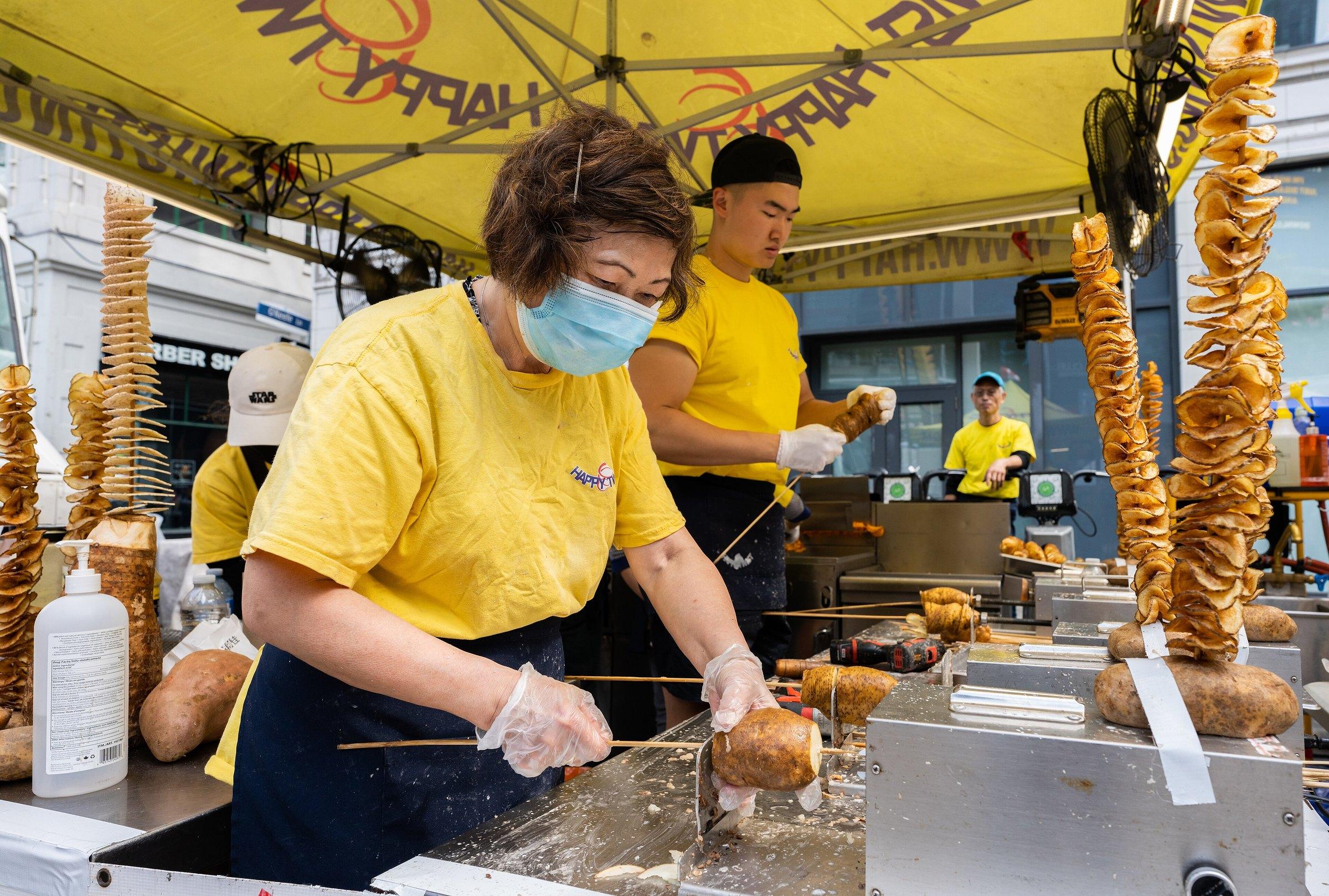
Food. Toronto Public Health asks event organizers to notify it at least 30 days before a special event that serves food.
Alcohol. The AGCO's industry promotional event permit covers public events that promote a manufacturer's product: $50 a day to serve samples free, $150 a day to sell them at cost or less. Most are issued in a day, but events of 12 days or more, or for 1,000 people or more, can take three weeks, and the AGCO asks for applications at least 30 days ahead. Outdoor events must notify municipal authorities 30 days out, and an organizer handing out samples needs a letter from the manufacturer. Sampling in bars and grocery stores falls under separate AGCO standards. At Sankofa Square, alcohol sampling is prohibited outside licensed areas.
Get a QuoteRequest your personalized projectFor the build, that adds up to a counter that fits a 10x20, a handwash setup where there's no water, sealed storage for product, and powered equipment that already carries an approval mark. Our guide to hiring a fabricator in Toronto covers the rest of the brief. If you're planning a sampling program, tell us where and we'll start from that venue's rules.
Sources: City of Toronto, "Sidewalk Sale Permit" (January 2026) and "Temporary Street Closure Permit" (September 2026); City of Toronto staff report, "Street Promotions Regulations for Adjacent Sidewalks: Yonge Dundas Square" (April 2010); Toronto Municipal Code Chapter 743 (October 2025); Sankofa Square, 2027 Preliminary Commercial Price List and Guidelines; City of Toronto, "Special Events Permit Booking" (September 2026); MTCC, "Food and/or Beverage Distribution Sampling Request Form" (2023-24); Toronto Public Health, "Food Safety at Special Events"; AGCO, "Apply to sell or serve alcohol at an industry promotional event".