 Sign In
 5 min5 min read

Built for twenty stops: what changes when an activation has to tour
A touring activation is built for its twentieth set-up, not its first. Split it into pieces two people can lift and a van can carry, use joins a street team can close with one tool, protect edges with finishes that can be touched up on site, and give every piece a labelled crate. Add a spares box, a set-up guide written from the shop dry fit, and a plan for wind, rain, power and storage. Cirque du Soleil's LUZIA and Luke Jerram's Museum of the Moon show how serious touring builds handle it.
In brief. A touring activation is built for its twentieth set-up, not its first. Split it into pieces two people can lift and a van can carry, use joins a street team can close with one tool, protect edges with finishes that can be touched up on site, and give every piece a labelled crate. Add a spares box, a set-up guide written from the shop dry fit, and a plan for wind, rain, power and storage. Cirque du Soleil's LUZIA and Luke Jerram's Museum of the Moon show how serious touring builds handle it.
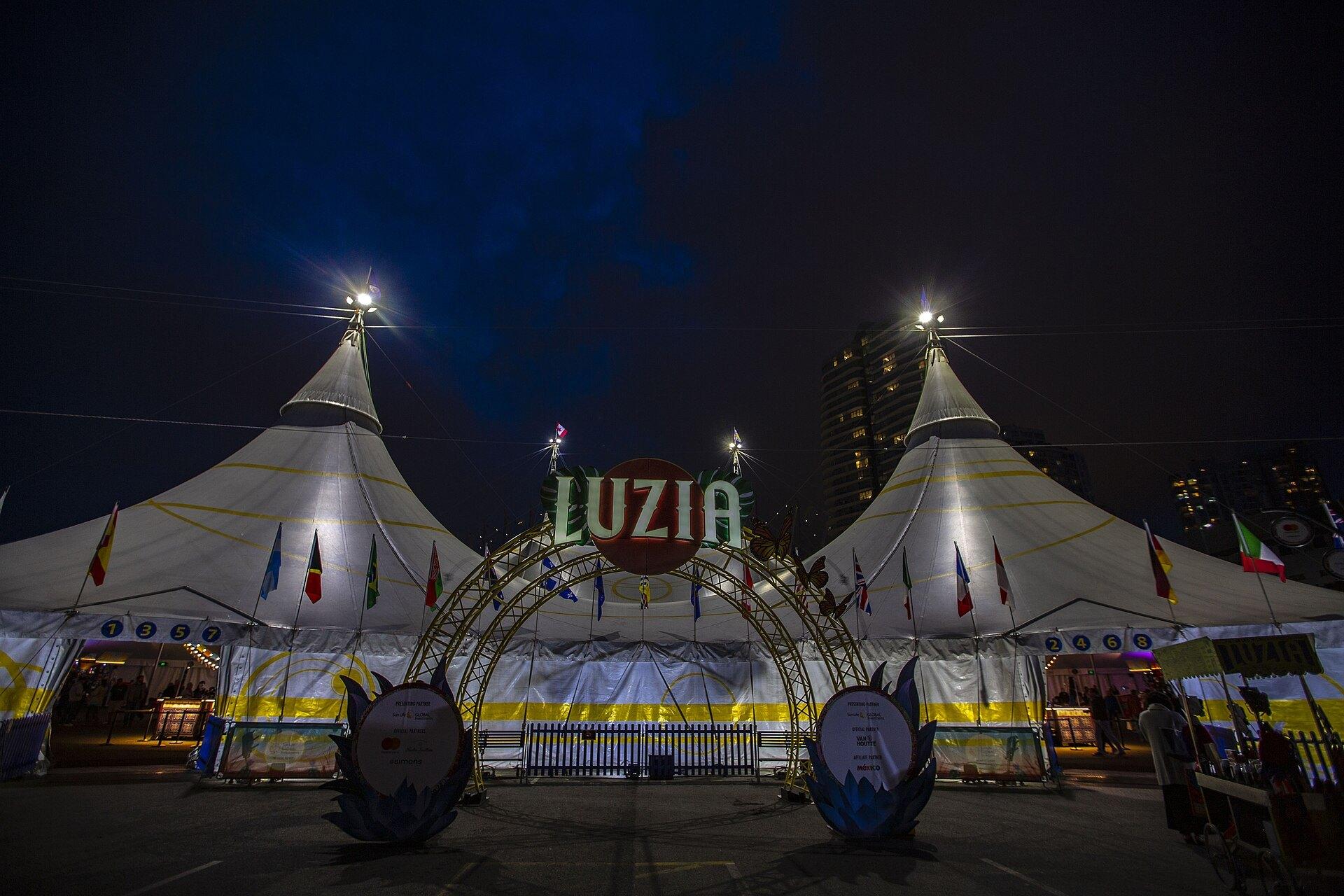
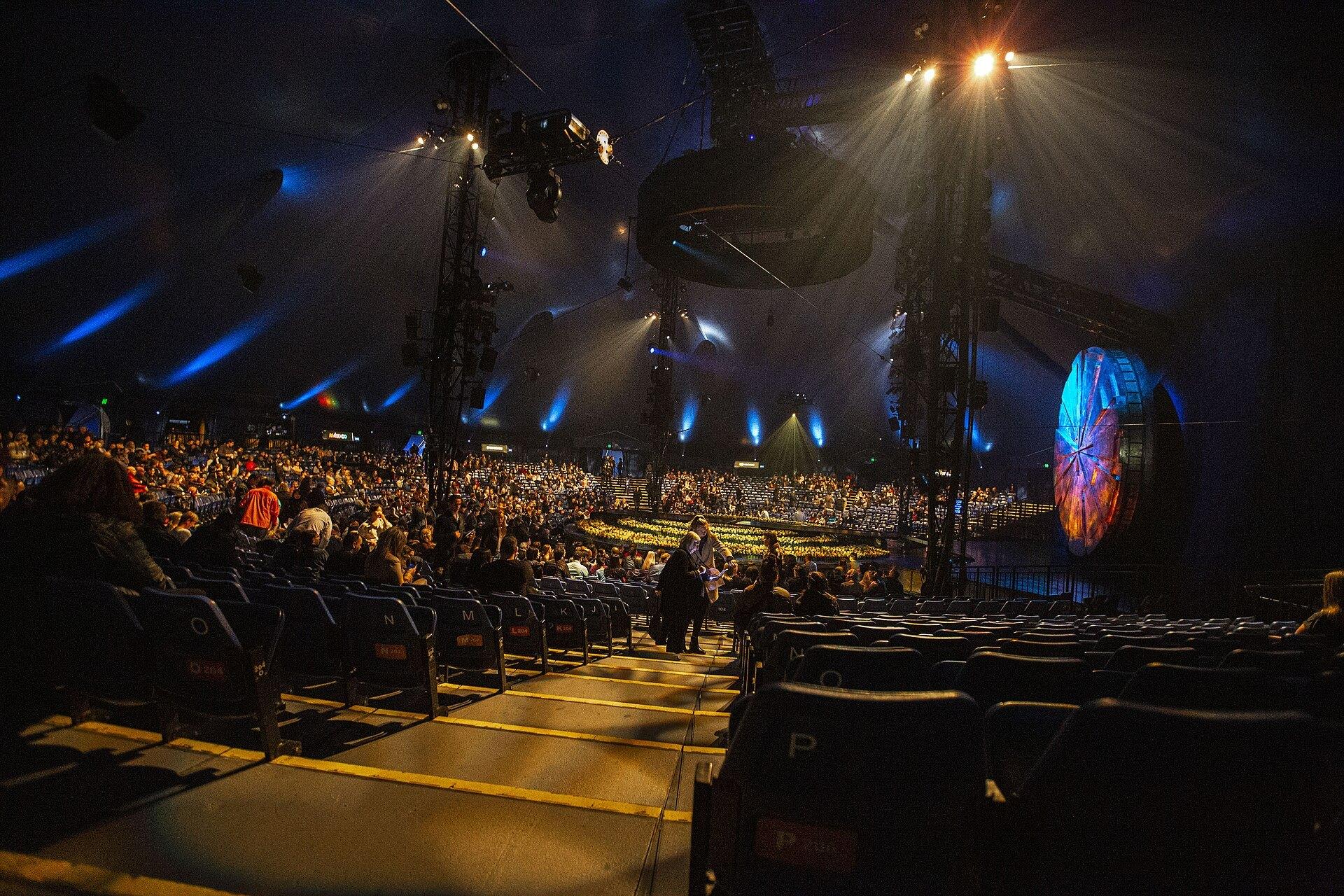
When Cirque du Soleil's LUZIA played Vancouver in 2019, the show travelled with 67 trucks, took eight days to set up its site and two and a half days to tear it all down before moving to the next city, Nuvo reported. Cirque's own figures for its white-and-gold big top: 51 metres across, four 25-metre steel masts, 550 pegs into the asphalt, and a rating for winds up to 120 km/h.
One line in the Nuvo piece is worth borrowing for any touring brief: the artists' tent is the only tent set up exactly the same way in every city.
Most brand tours are smaller: a sampling bar, a pop-up kit or a photo moment that visits a dozen malls or festivals in a season. The rule still holds. Something set up once is built differently from something set up twenty times, often by a street team rather than a carpenter. Brience is a Toronto-based custom fabrication and experiential design studio, and this is what we'd ask for when an activation has to tour. For the rest of the brief, see our guide to hiring a fabricator in Toronto.
 Shop Objects
 Explore our curated brand essentials
Design the joins before the finish
The joins decide whether stop twelve looks like stop one.
Split it where people and vans need it. Size each piece so two people can carry it and the whole set fits the truck you'll actually book, with seams placed where cameras won't find them.
Use the same few joins everywhere. One tool, one fastener type, and hardware that stays attached to the panel so nothing rolls under a stage.
Protect edges and corners. They take the hits on a dolly, in a crate and in a parking lot. Choose finishes that can be touched up on site, not only resprayed in the shop.
Fix one layout. Like Cirque's artists' tent, decide which parts go up the same way at every stop, so the crew stops thinking and starts building.

 Get a QuoteRequest your personalized project
Crates, labels and a set-up guide
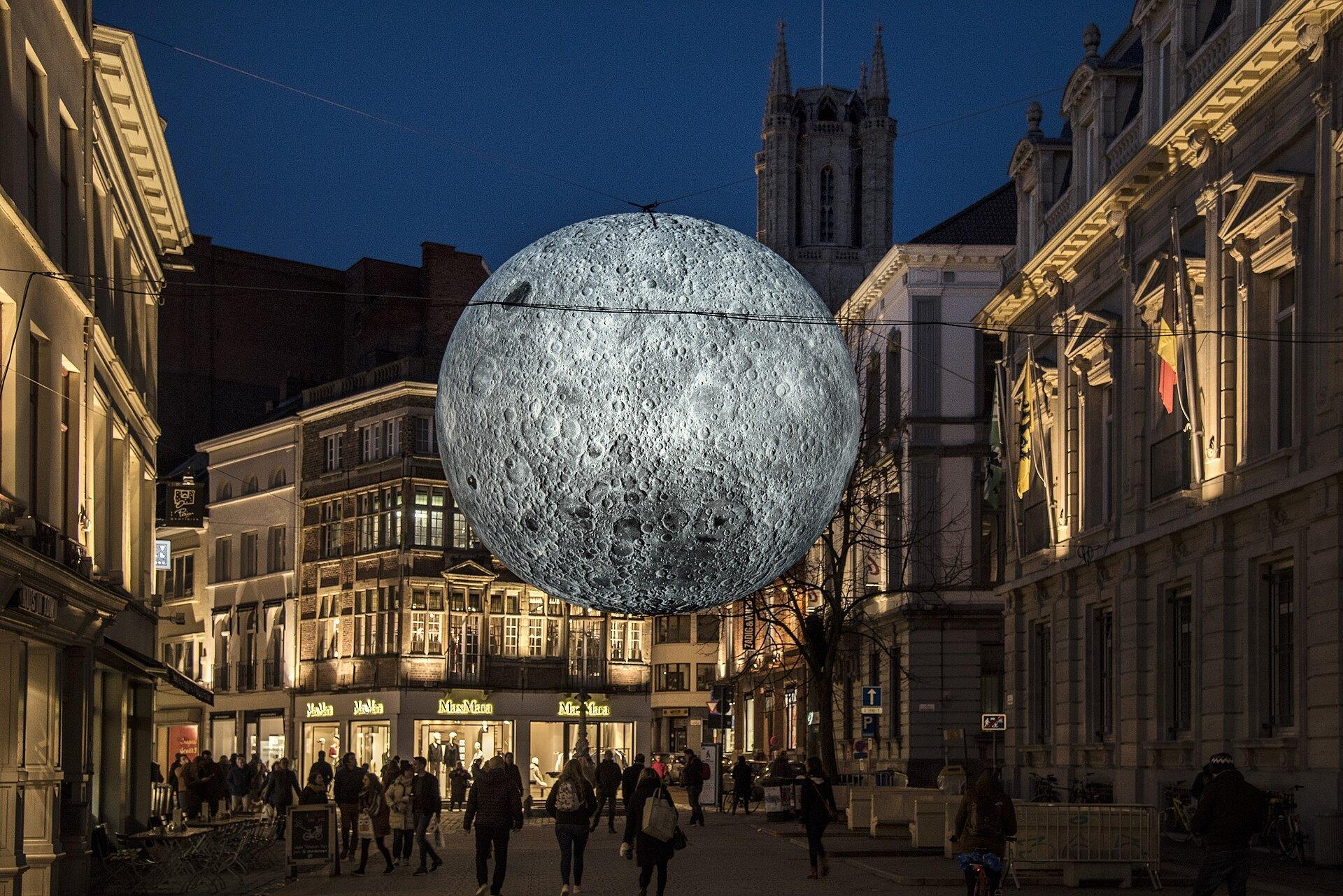
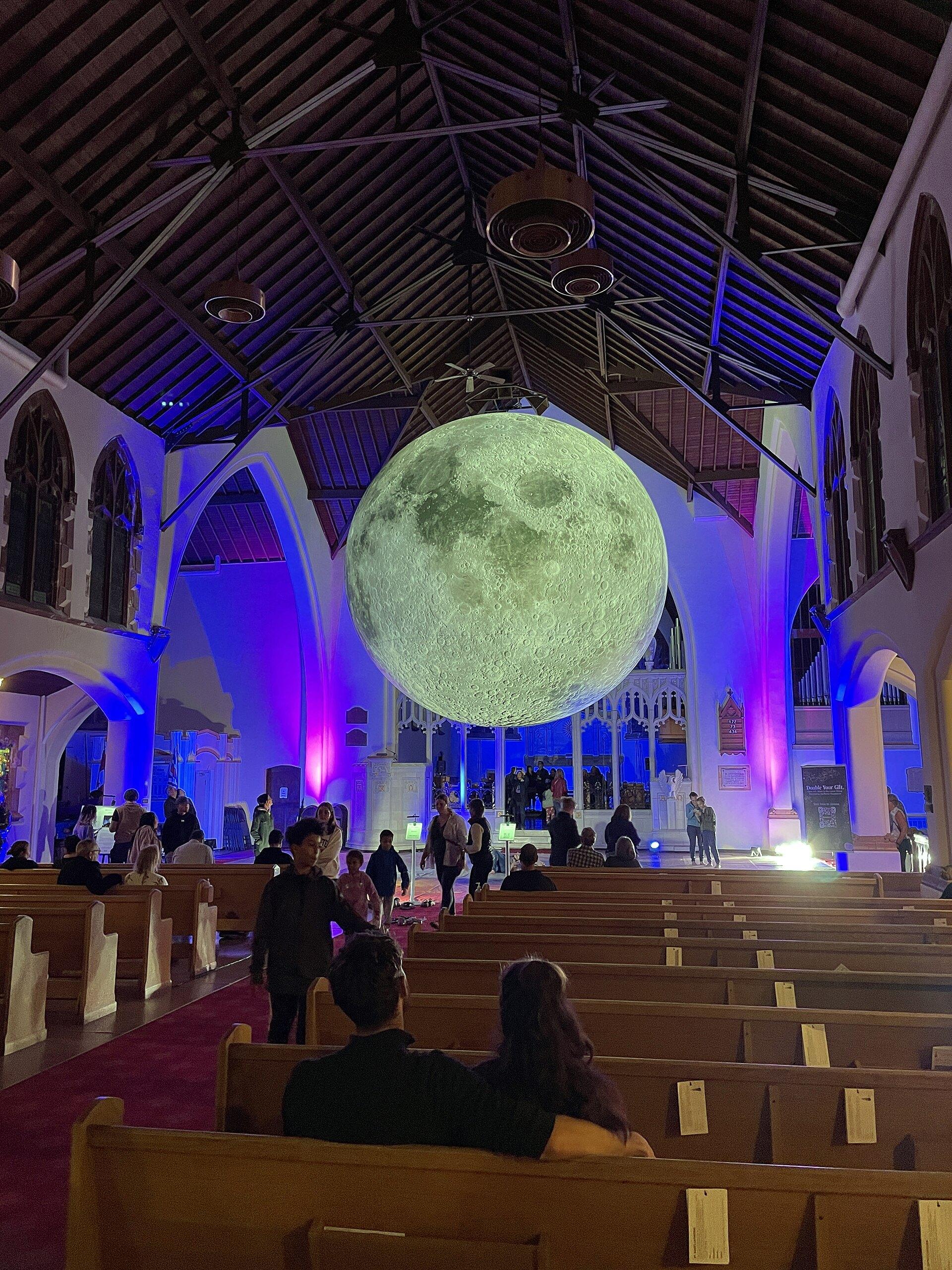
Luke Jerram's Museum of the Moon is a seven-metre, internally lit moon printed with NASA imagery, presented both indoors and outdoors as it travels. For the 2018 Ghent Light Festival it floated over the Korenlei and weighed 140 kilograms. Editions have been acquired by museums including the Aga Khan Museum in Toronto. Even a build that light can vanish on the road: in July 2018 a moon went missing in transit between Bristol and Austria, and the carrier, TNT, said it was conducting a full investigation.
Things get lost and damaged between stops, so the paperwork travels with the kit:
A crate or case for every piece, numbered, labelled on two sides, with a contents list and a photo inside the lid.
A set-up guide written from the shop dry fit: a photo for each step, the tool, how many people, and how long it should take.
A spares box: fasteners, the parts that wear first (casters, hinges, lamps, cables), and touch-up paint mixed to the finish.
A condition check at every pack-out, photographed, so repairs happen before the next truck, not on the show floor.
Weather, power and the sites you haven't seen
A touring brief should say where the kit will stand, not just how it should look.
Wind. Panels, banners and inflatables catch it. Ask what the build is designed to take outdoors and who decides when to close. Cirque publishes a number for its tent; your kit should have one too.
Rain and sun. Outdoor stops need finishes, graphics and electrics that survive both, and a plan for drying the kit after a wet day.
Power. Does each site supply it, or does the kit carry its own? Screens and coolers decide this, so list them in the brief.
Storage and refurbishment. Agree where the kit lives between stops, who checks it, and how a mid-season repair is priced.
Get a QuoteRequest your personalized projectTouring also changes the schedule. Most modular builds leave our shop four to six weeks after a signed scope, and a kit that has to last a season deserves a full dry fit and a practice pack-out inside that time. If you're planning a tour, send us the route and the dates and we'll tell you what the kit needs to survive it.
Source: Nuvo, "How to Build a Cirque: Behind The Scenes of Enchantment" (October 2019); BroadwayWorld, "Cirque du Soleil's White and Gold Big Top Goes Up for LUZIA in San Jose" (February 2017); Luke Jerram, "Museum of the Moon: About"; Lichtfestival Gent, "Museum of the Moon"; Euronews, "Giant moon disappears en route to Austria" (July 2018).