 Sign In
 5 min5 min read

White-label fabrication: what agencies should settle before sharing a client's brief
Before an agency shares a client's brief with a fabricator, five things belong in writing: whose name goes on the crew, drawings and paperwork; an NDA signed before the brief is sent; whether the fabricator ever talks to the client; if and when the fabricator can show or credit the work; and how a pitch-stage number becomes a quote. Credit is the one most often left vague. In BizBash's Coachella 2026 roundup, five of 30 activation credits named a fabricator.
In brief. Before an agency shares a client's brief with a fabricator, five things belong in writing: whose name goes on the crew, drawings and paperwork; an NDA signed before the brief is sent; whether the fabricator ever talks to the client; if and when the fabricator can show or credit the work; and how a pitch-stage number becomes a quote. Credit is the one most often left vague. In BizBash's Coachella 2026 roundup, five of 30 activation credits named a fabricator.
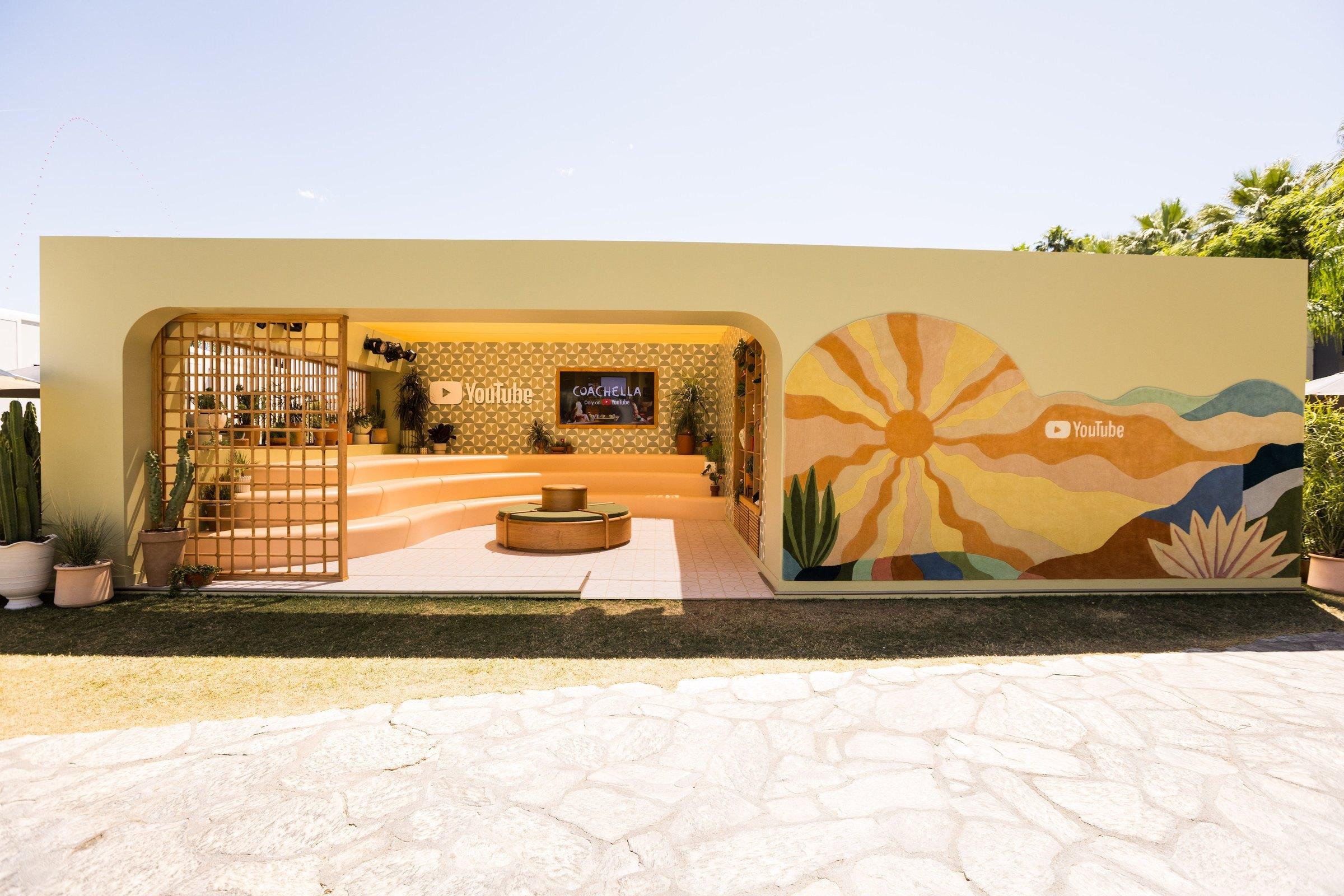
BizBash's Coachella 2026 roundup covered 30 brand activations. Five of the credits named a fabricator. Karol G's flag-tiled cube was designed by 9F Agency and "fabricated and installed by Honey Badger Fabrication." YouTube's Backstage Studio was produced by Good Sense & Company, with fabrication by Rock Steady. Pinterest's phone-free space was produced by NVE Experience Agency, with fabrication from Treehouse Fabrication. Most of the other 25 named only a producing or design agency, or no partners at all.
That isn't a scandal. It's what white-label work looks like from the outside: the agency's name on the work, the builder behind it, and credit decided job by job, often by nobody in particular. We looked at the visible end of this in Coachella 2026 just made fabricators visible. This is the practical end: what an agency should settle with a fabricator before a client's brief leaves the building.
Brience is a Toronto-based custom fabrication and experiential design studio. Our agency page says we build under your agency's name and stay out of the client conversation unless you choose to bring us in. That's our offer. The five points below are what we'd want any agency to get in writing, from us or from anyone else.
Five things to put in writing
Whose name is on it. Crew shirts, shop drawings, delivery paperwork, the email that goes to the venue's exhibitor services. If the work presents as yours, every one of those should say so. Agree it before anyone books a truck.
The NDA, before the brief. Sign it before the client's deck, product or launch date is shared, not after the first call. Ask who in the fabricator's shop will see the brief, and whether its subcontractors for metal, print or AV are covered too.
Client contact. Decide whether the fabricator ever speaks to your client, and how: never, only with you on the call, or on site during install. Put a no-solicit promise in the same paragraph, with a time limit.
Credit. Can the fabricator post the build, name the brand, or enter it for an award? From what date, and with whose approval? "Never" is a fine answer. So is "after the client's launch, with our sign-off."
Pitch-stage pricing. How fast you get a number while you're pitching, what that number assumes, and how it turns into a real quote once there are drawings.
 Shop Objects
 Explore our curated brand essentials
Credit is the one that gets left vague
The first three protect the client relationship. Credit is harder, because three parties want three different things. The client may not want any partner named. The agency wants the work to read as its own. The fabricator lives on its portfolio and needs to show finished work.
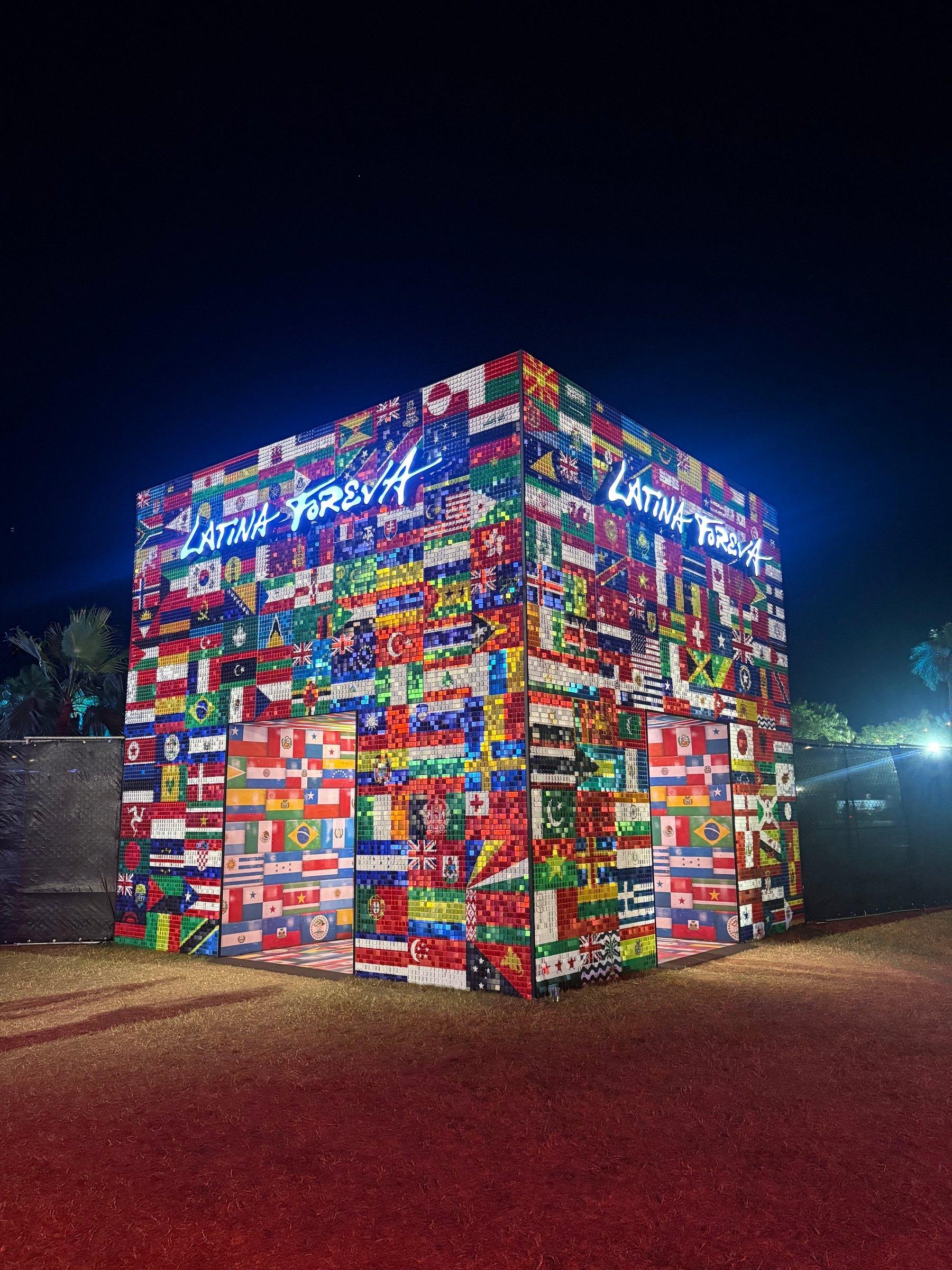
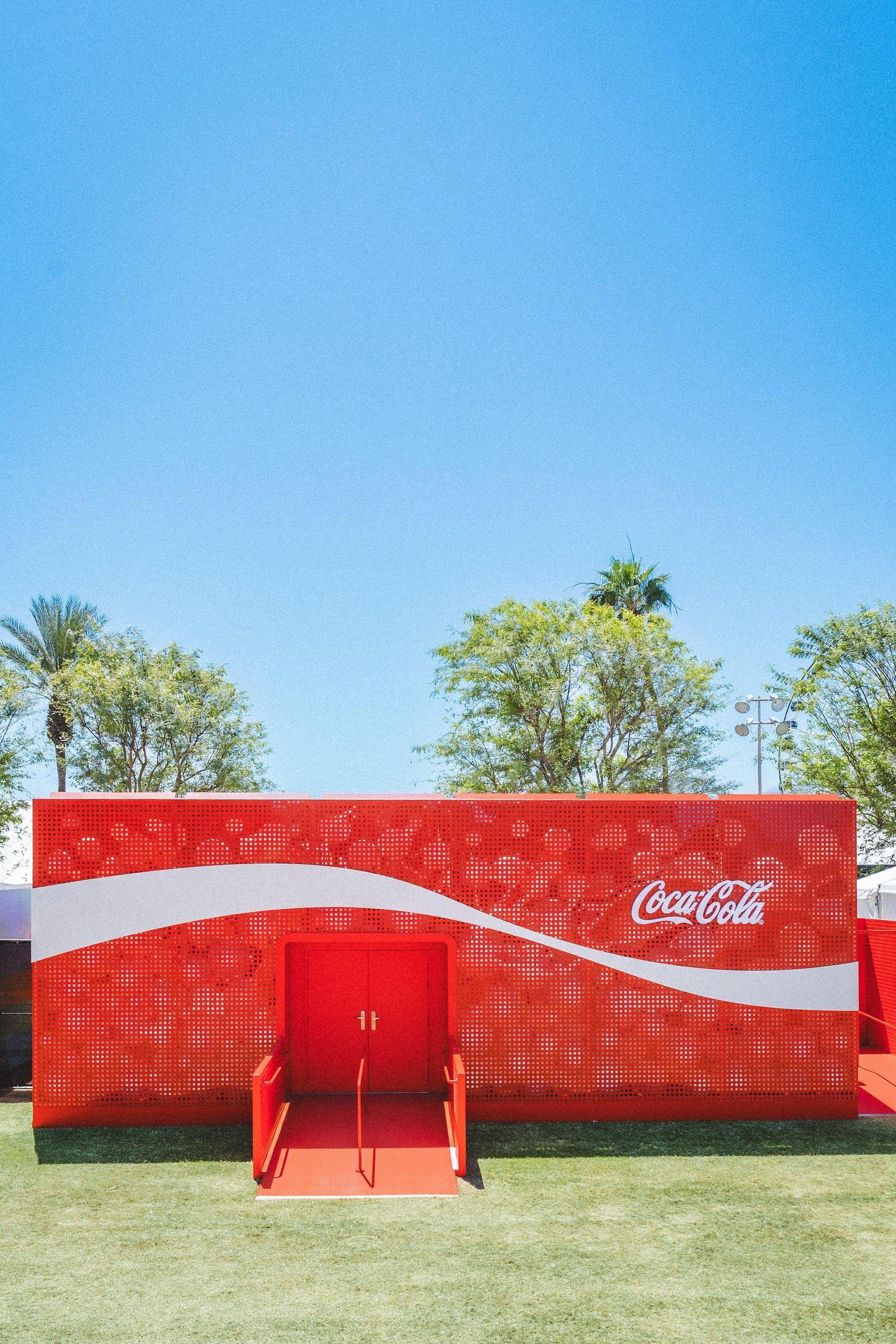
Look at how credit travelled in the Coachella coverage. The Karol G photos in BizBash are captioned "Courtesy of Honey Badger Fabrication": the pictures came from the fabricator, so its name rode along. Coca-Cola's Pop Shop was "designed and produced by Crown + Conquer," with Firecracker Works listed for fabrication among the other production partners. NYLON House named Event Eleven, Pro Systems, Accurate and 3 Line. Starbucks' Coffeehouse and Mattel's Barbie installation were credited only to their producers, On Board Experiential and Mirrored Media. If someone else built them, the credits don't say.
None of those choices is wrong. The problem is a choice nobody made. Agree who owns the photos, who supplies them to press, and what each caption may say. Then the fabricator knows what it can show a future client, and the agency isn't surprised by a tag on Instagram the week after launch.

 Get a QuoteRequest your personalized project
What we'd agree at the pitch stage
Pitch budgets are often needed before anyone has drawings. A fair arrangement keeps three things apart:
The ballpark. A range based on the concept, the footprint and the venue, with its assumptions written down. For scale, our own published planning figure is that focused single-element builds start in the low five figures.
The schedule. Most modular builds leave our shop four to six weeks after a signed scope. Larger custom structures and multi-zone activations take about eight to twelve weeks. Say up front if your client's approval rounds will eat into that.
The quote. Line by line, once there are drawings, with materials named and exclusions listed. Our guide to hiring a fabricator in Toronto walks through how to read one.
Get a QuoteRequest your personalized projectIf you're a GTA agency weighing a white-label partner, tell us what you need in writing before you send the brief.
Sources: BizBash, "Coachella 2026: See Inside the Brand Activations Everyone Was Talking About" (April 2026); Brience, "Agencies" (brience.ai/agencies, checked November 2026).