


 Sign In
Thinking
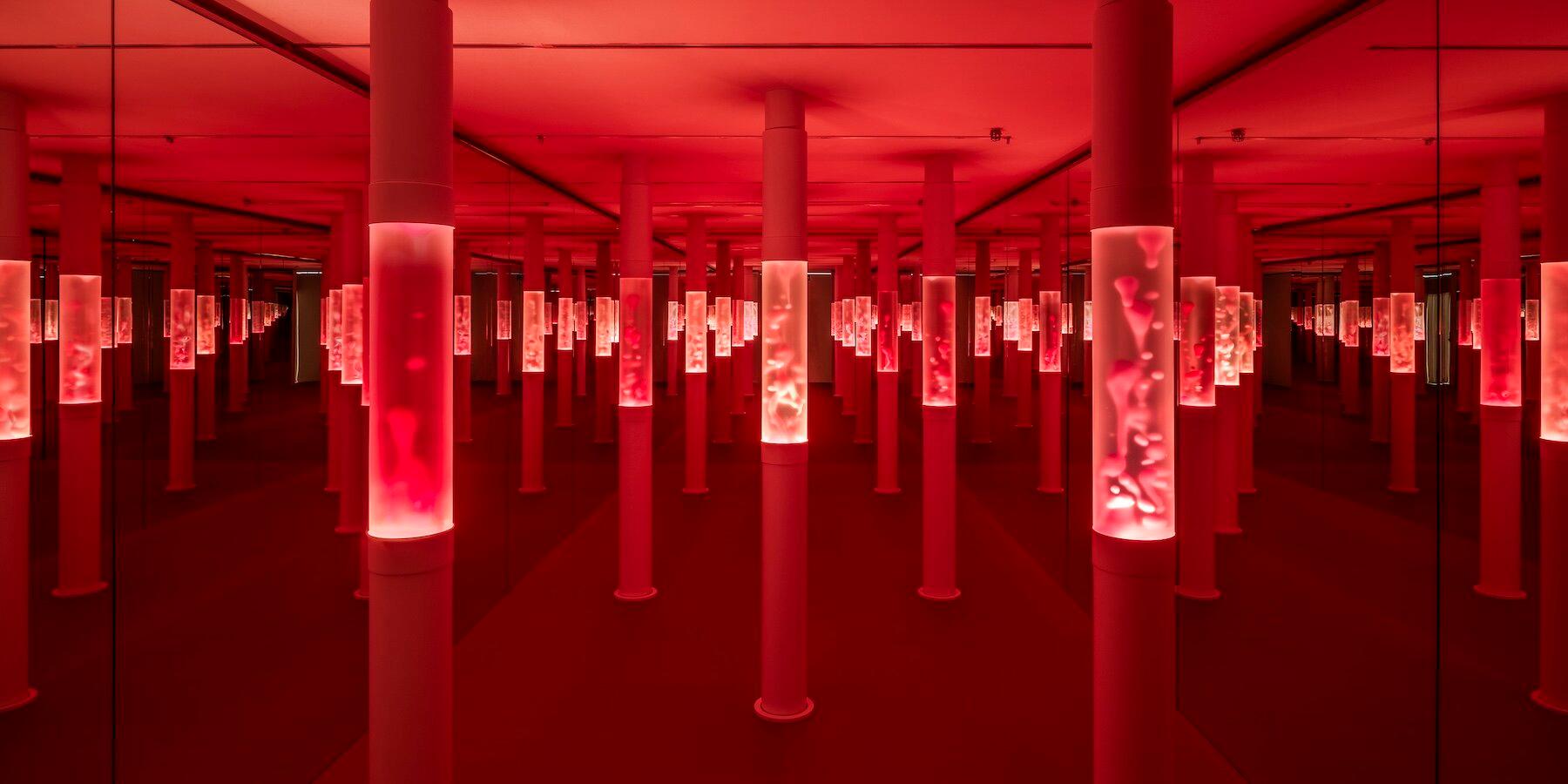
Sabine Marcelis multiplied a lava lamp until it became a room
Light and Color, Sabine Marcelis’s first museum exhibition, runs at Museum für Gestaltung Zürich’s Toni-Areal from October 30, 2026 to April 4, 2027. Eight 2.56-metre Mathmos lava columns stand in a mirrored room, 125 IKEA VARMBLIXT lamps and a gradient mirror wall form an 11-metre tunnel, and Sunbeam Captured, made with Boris Acket, moves light across water. A limited Mathmos Astro lamp in the same pink follows in November. The lesson: repeat one product, add mirrors, and it reads as architecture.
 4 min read

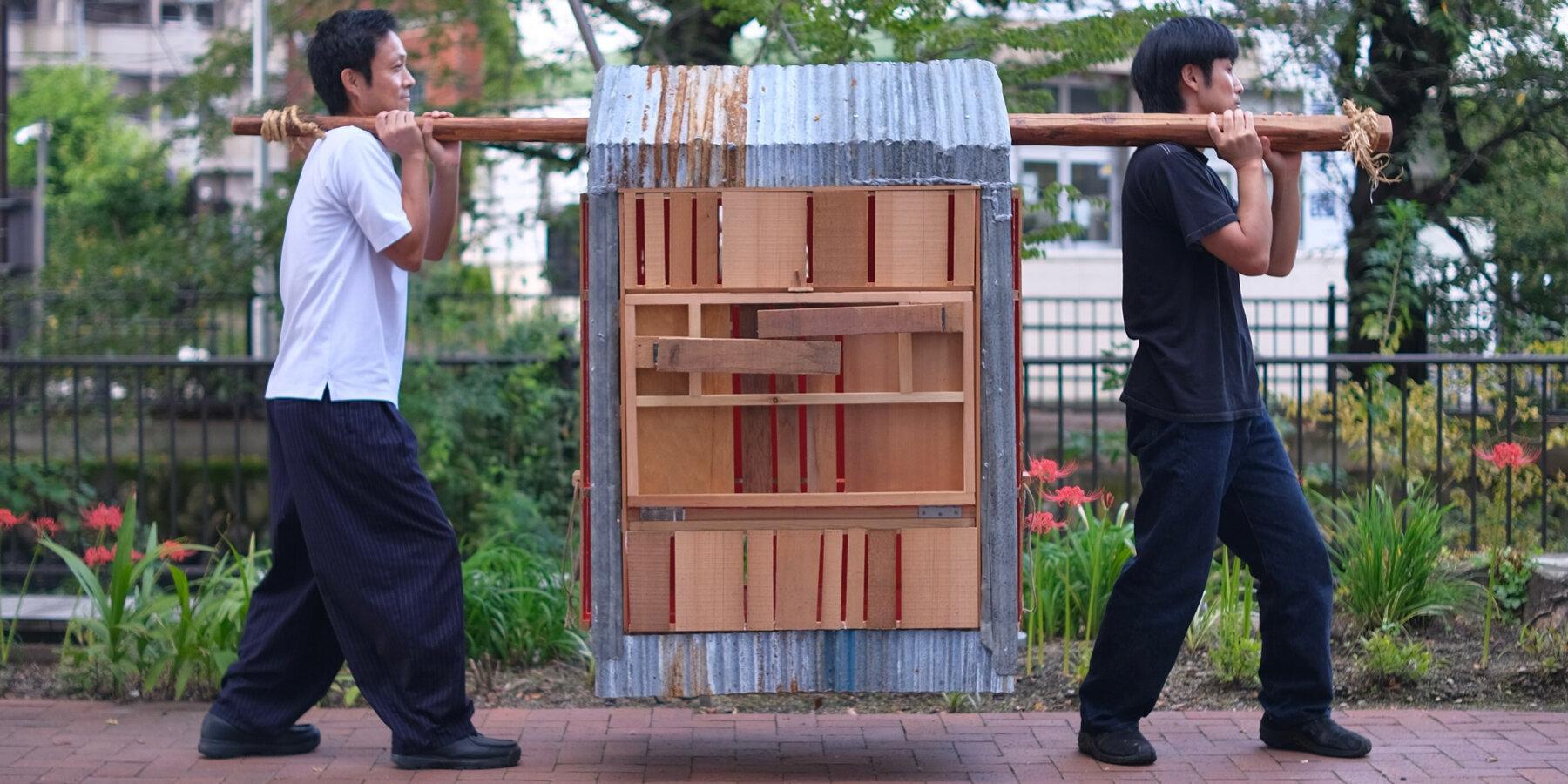
A barn two people can carry: what DOBEDO STUDIO’s EHHO!² teaches touring builds
EHHO!² is a portable pavilion by Japanese practice DOBEDO STUDIO, built from the salvaged parts of an agricultural barn in Gunma Prefecture and carried by two people like a traditional kago palanquin. Its rusted corrugated iron roof keeps its weathering, its hinged side panels fold down into benches, and small branches serve as latch pins that, the studio says, a fallen twig can replace. The lesson for touring activations: size the build to the crew, and use fasteners anyone can replace on site.
5 min read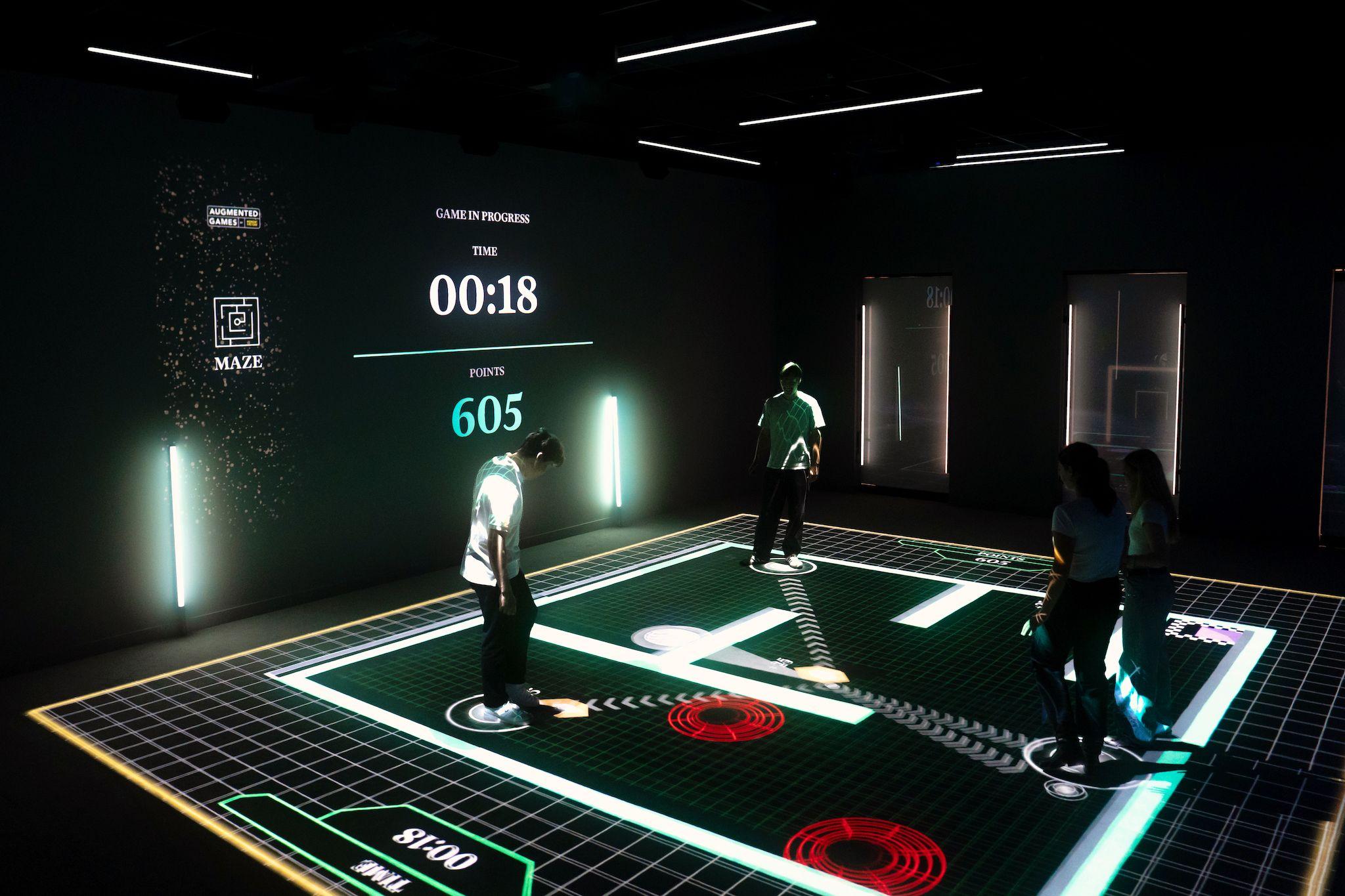
Oakridge Park built a game floor. The bigger story is that brands can use the room.
Wonderground is a reservation-based interactive room at Oakridge Park in Vancouver, built with Montreal’s Moment Factory and set to open November 2. Players use their bodies to control seven games projected on the floor, with no controllers or headsets, at $30 per person for 45 minutes. The mall also pitches the same room for brand pop-ups and dinner parties. The lesson for agencies: a retail landlord now has a programmable room on its floor plan, which may change what you build and what you rent.
4 min read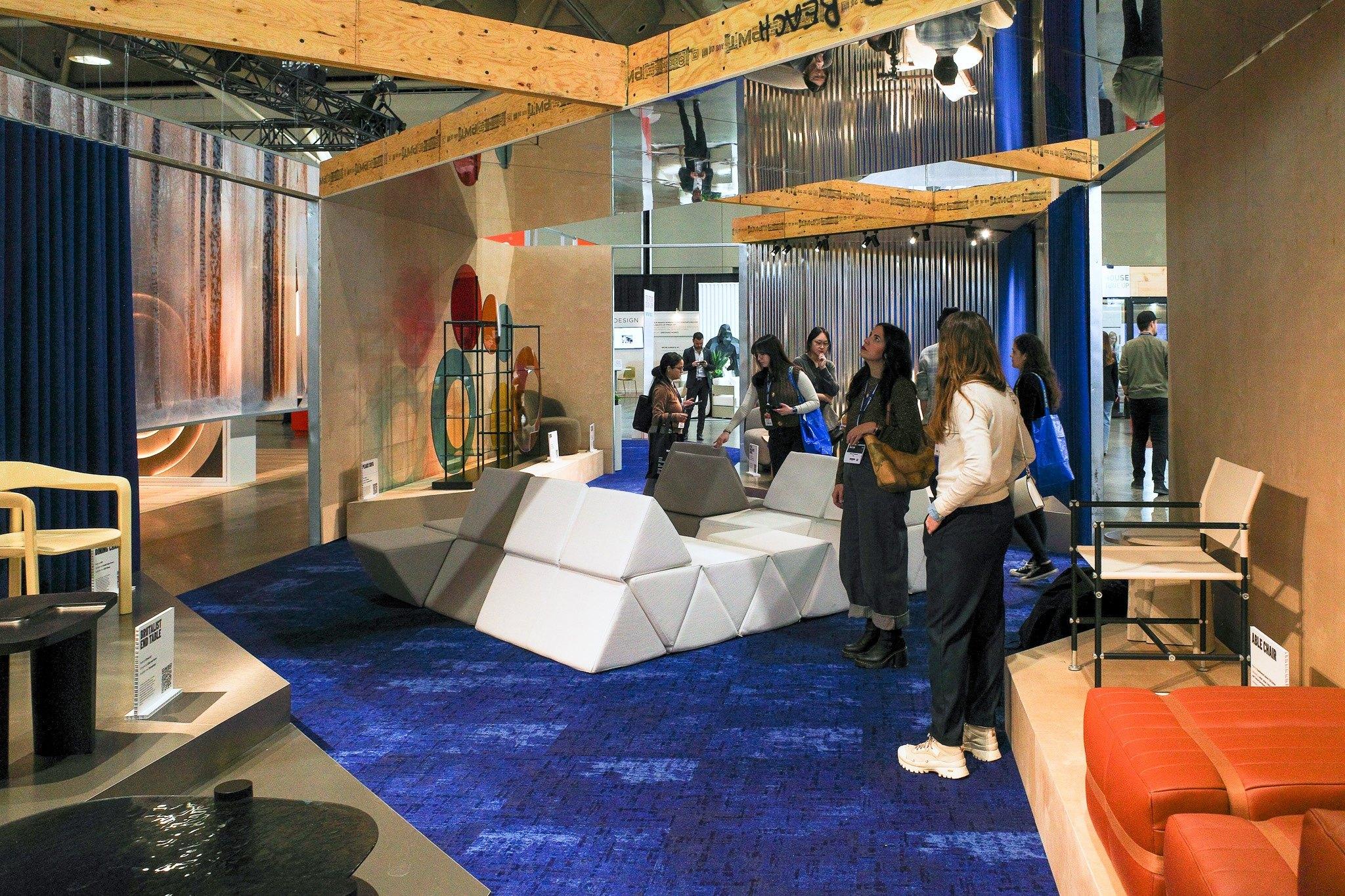
Is foam core allowed at Toronto trade shows? Fire rules for booth materials
Not at the Metro Toronto Convention Centre. Its fire regulations for exhibitors, in both the 2023-24 and 2026-27 editions, prohibit Styrofoam, foam core, gatorboard and corrugated plastic, and the IDS Toronto exhibitor kit says foam core is forbidden in any form. Wood, noncombustible materials and plastics with a low flame spread rating are acceptable; fabrics should meet CAN/ULC-S109 or NFPA 701; corrugated cardboard passes only if treated at the factory. Settle materials before drawings are final.
5 min read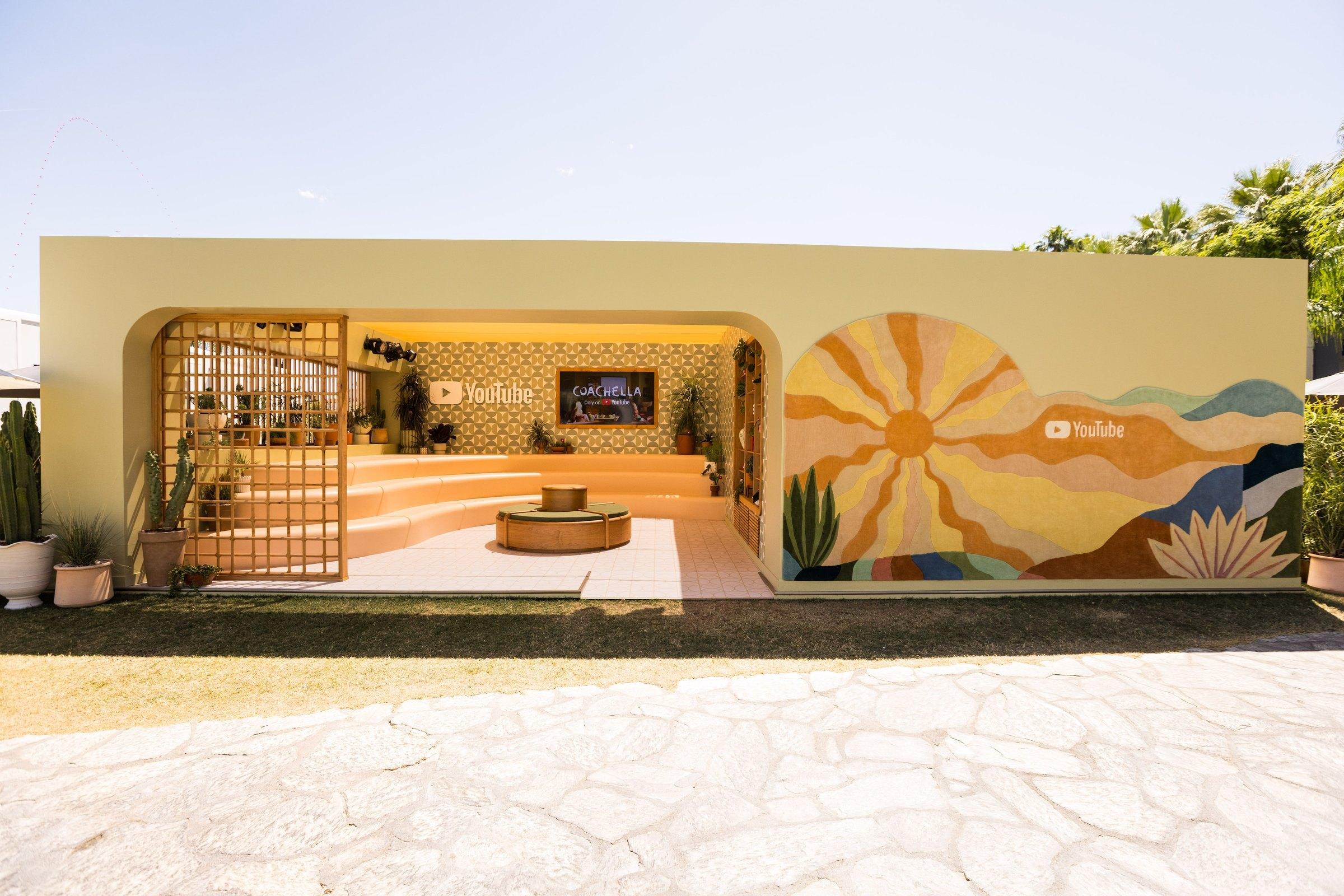
White-label fabrication: what agencies should settle before sharing a client's brief
Before an agency shares a client's brief with a fabricator, five things belong in writing: whose name goes on the crew, drawings and paperwork; an NDA signed before the brief is sent; whether the fabricator ever talks to the client; if and when the fabricator can show or credit the work; and how a pitch-stage number becomes a quote. Credit is the one most often left vague. In BizBash's Coachella 2026 roundup, five of 30 activation credits named a fabricator.
5 min read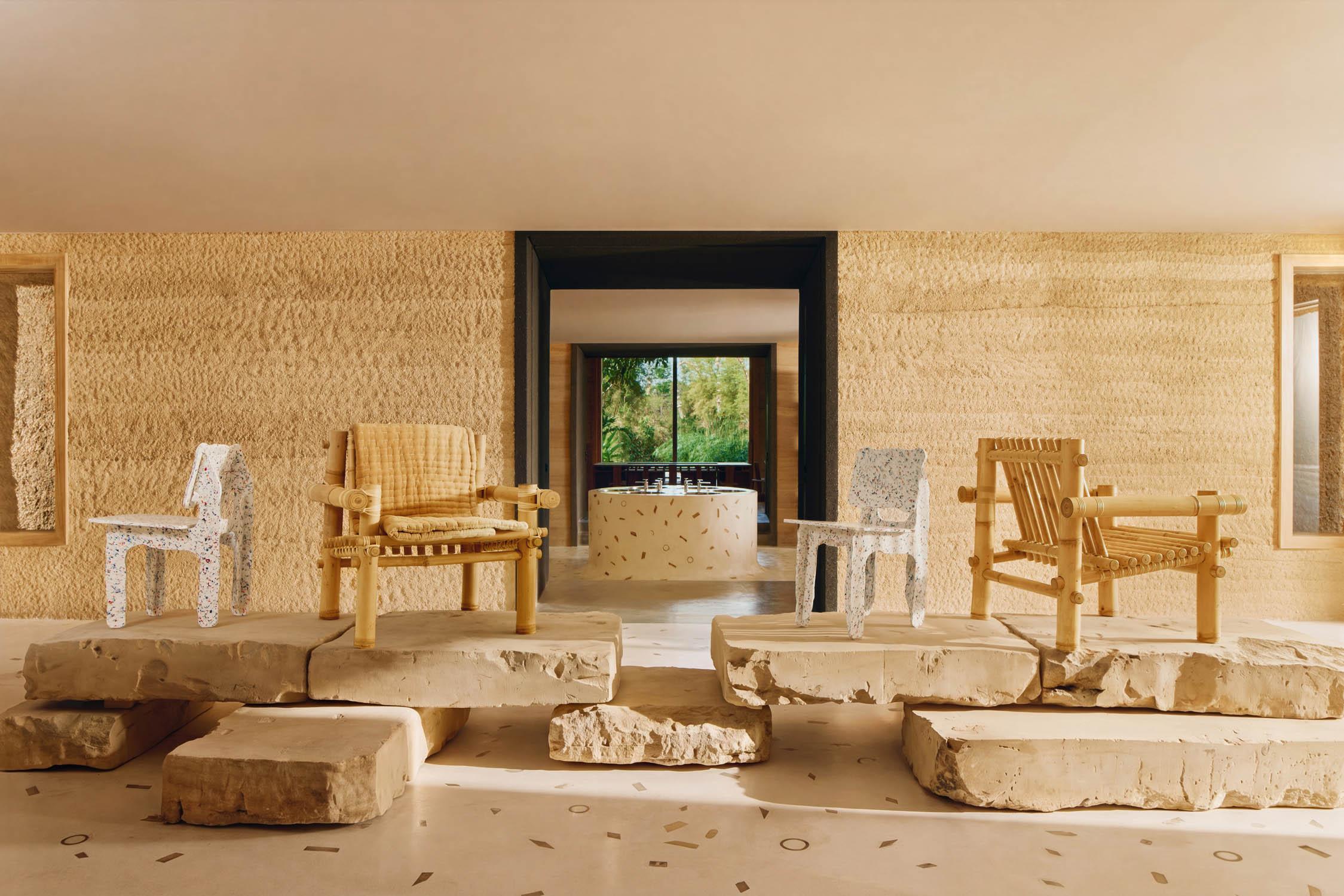
Potato Head’s first store in Bali puts the workshop on the shop floor
Potato Head has opened the Good Times General Store at Desa Potato Head in Seminyak, Bali, its first permanent store, designed by OMA with Ade Herkarisma. Its five bays run from Indonesian-made goods and Max Lamb’s Wasted collection to a working natural dye studio and a plastic moulding workshop, inside rammed-earth walls of local clay behind an alang-alang thatch facade. The lesson for pop-ups: put the making on the floor and let documented materials tell the story.
4 min read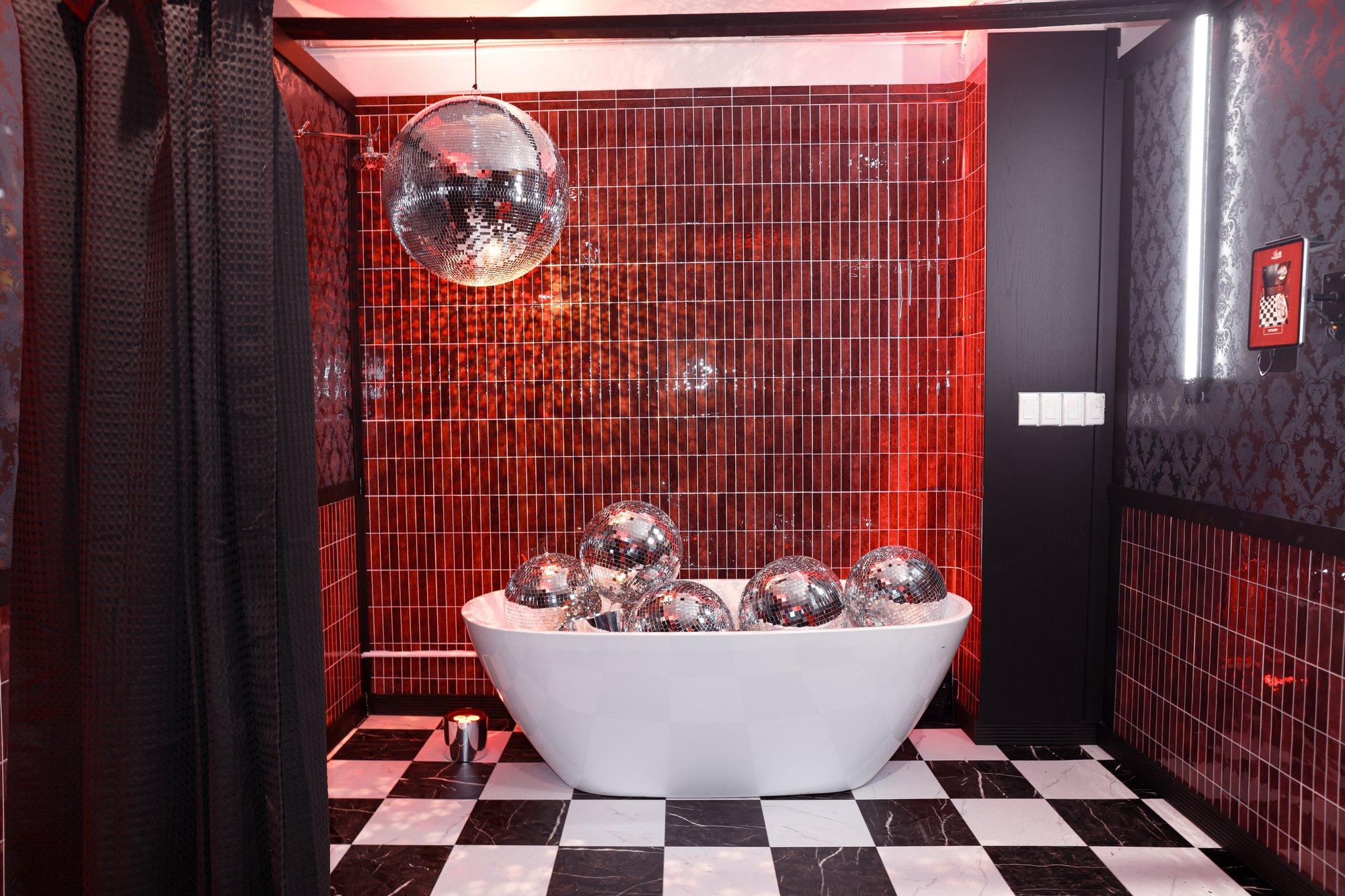
Courvoisier took 700 phones at the door, then put disposable cameras in the bathroom
On October 22, Courvoisier hosted 700-plus guests at Ideal Glass Studios in New York’s Greenwich Village and sealed their phones in pouches at the door. Team Epiphany produced a house party across two floors: living room, kitchen, game room, confessional closet, upstairs bedroom, and a bathtub full of disco balls with disposable cameras nearby. Photos went out afterward through a link. The lesson: when you remove the phone, the rooms and the props have to carry the memory and the content.
4 min read
How to check a fabrication shop before you sign
Visit the shop and see work on the floor, not a showroom. Ask what's made in-house and what's bought out: even Factum Arte, a 50-person Madrid workshop, uses specialist workshops for some processes. Meet the people who'll draw and build your job, look at finish samples, and check there's room to dry-fit. Then get paper: an insurance certificate your venue accepts ($5 million, with the venue named, at The Buildings Show 2026), venues they've installed in, and two references you can call.
5 min read
How long does it take to build a pop-up or trade show booth?
Most modular builds leave our shop four to six weeks after a signed scope; larger custom structures and multi-zone activations take about eight to twelve. Add your approvals and the paperwork. The Buildings Show 2026 at the MTCC asked for renderings for big booths by October 27 and contractor, insurance and fire forms by November 2, a month before doors open. ESA permission for powered equipment and the City's sidewalk permit, which needs eight weeks' notice, have their own clocks.
5 min read
Have a project in mind?
Tell us about your vision, and we'll handle everything from design to install.
Agency team? Meet your agency fabrication partner. Local build? See custom fabrication in Toronto.