

 Sign In
Thinking
How much does a pop-up shop cost in Toronto?
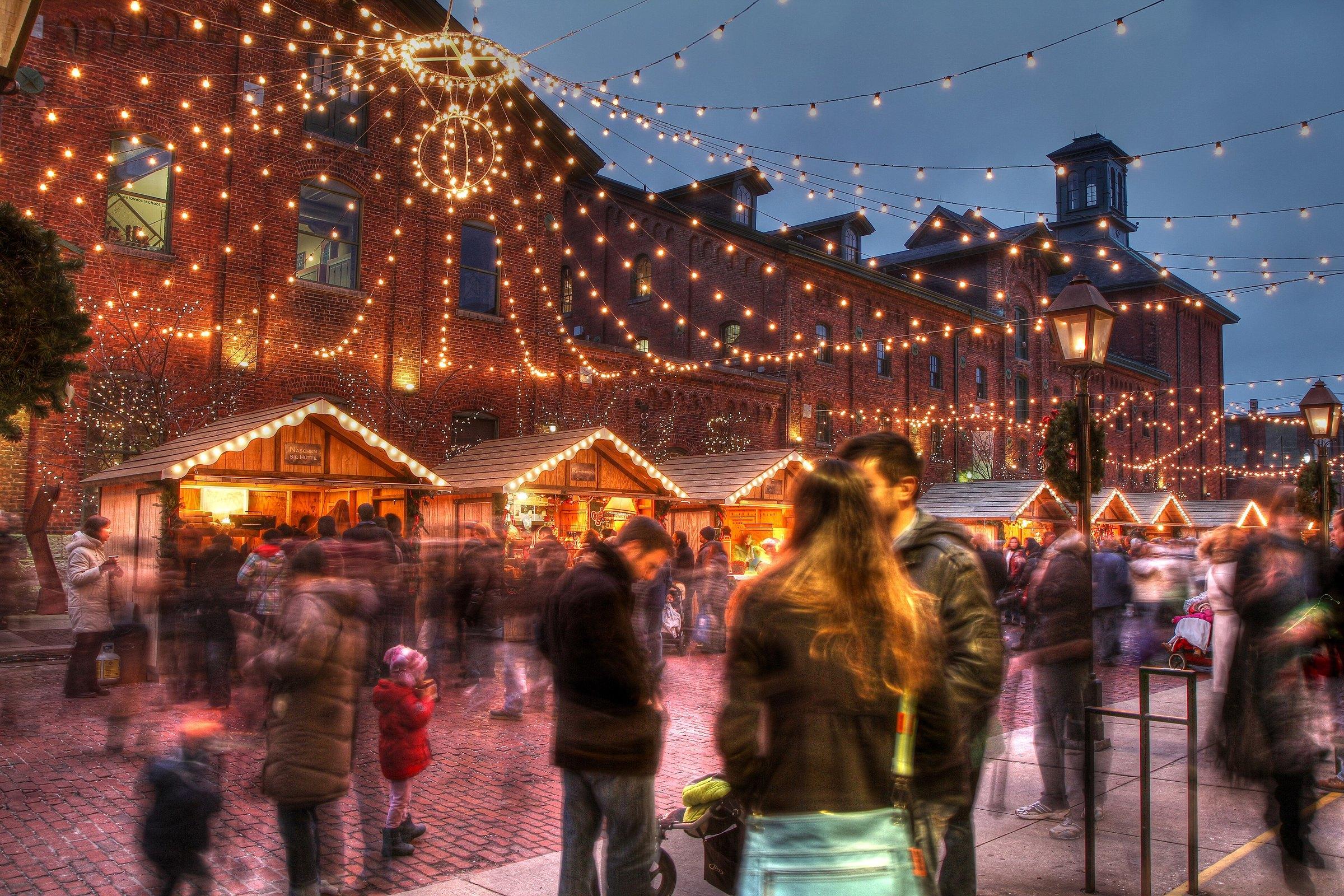
A Toronto pop-up has five cost lines: space, build, staffing, permits, and install and strike. Rental listings we checked in November 2026 ran from CA$160 a day for a Queen Street storefront to CA$6,000 a day on Ossington Avenue. Staff cost at least Ontario's $17.95 minimum wage. If the work needs a City building permit, interior alterations in a store cost $11.53 per square metre, with a $214.79 minimum. Brience's focused single-element builds start in the low five figures.
 5 min read

Giorgio Armani’s Oakridge Park store is six rooms, each with its own finishes
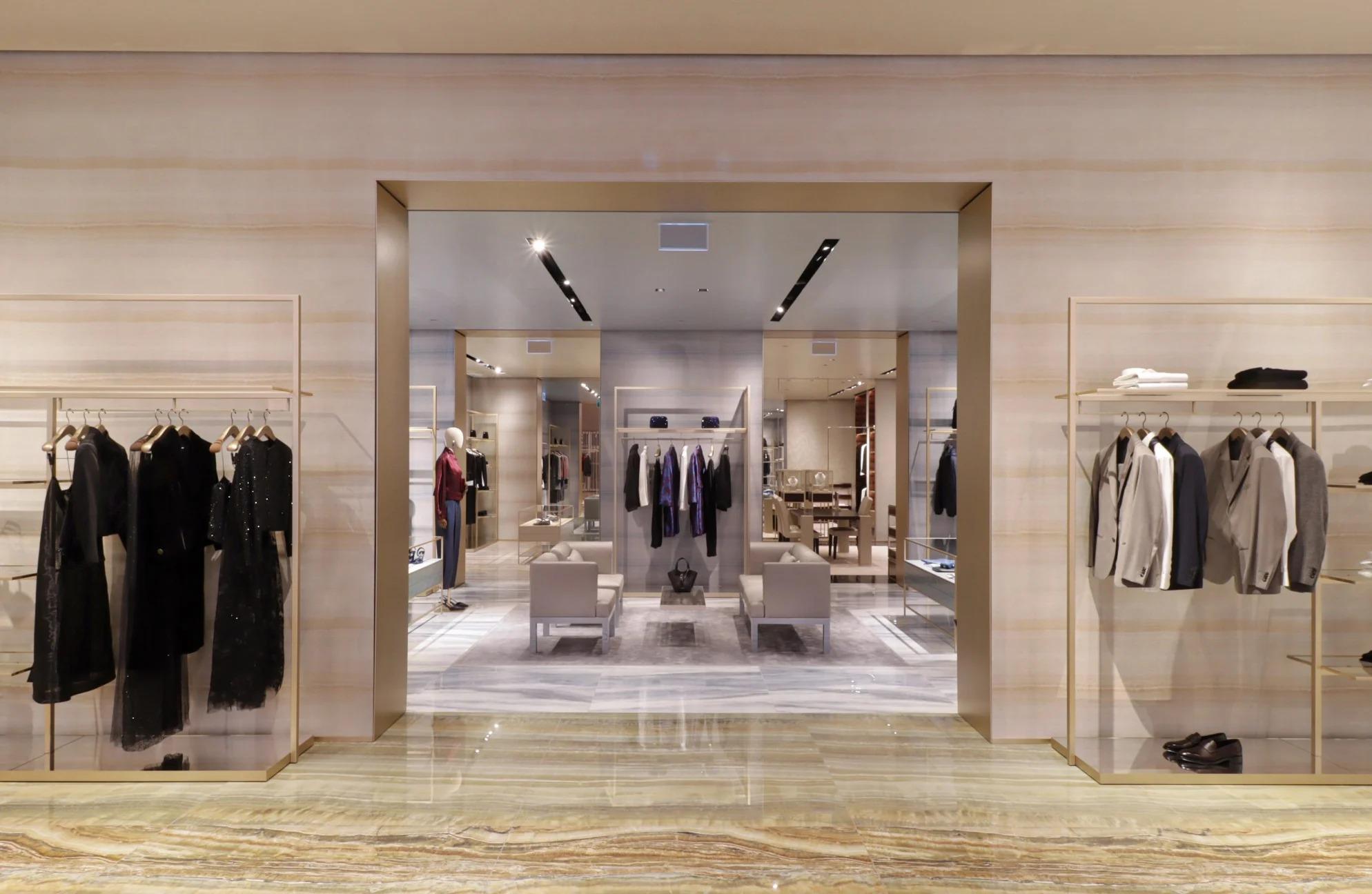
Giorgio Armani opened its only standalone Canadian boutique and Canada’s first Armani/Caffè at Vancouver’s Oakridge Park on Oct. 23, 2026. Retail Insider says the store is about 4,500 sq ft in six rooms, each with its own palette, and the 121-square-metre café seats about 40. Canadian firm Amachris built both, and its Christian Pignotti describes the store as almost a series of smaller boutiques. The lesson: run a multi-room build as a set of small fit-outs, and set out patterned stone before it arrives.
5 min read
How to read a fabrication quote, line by line
Compare fabrication quotes line by line, not total by total. A useful quote names the materials and finishes, splits shop labour from lighting and tech, prices crating and transport both ways, and says who pays overtime if load-in slips. Then read the exclusions: venue power, rigging, material handling, permits and storage often sit outside the number. Toronto's sign at Nathan Phillips Square, replaced in 2020 for up to $762,000 including removal and three years of upkeep, shows why.
5 min read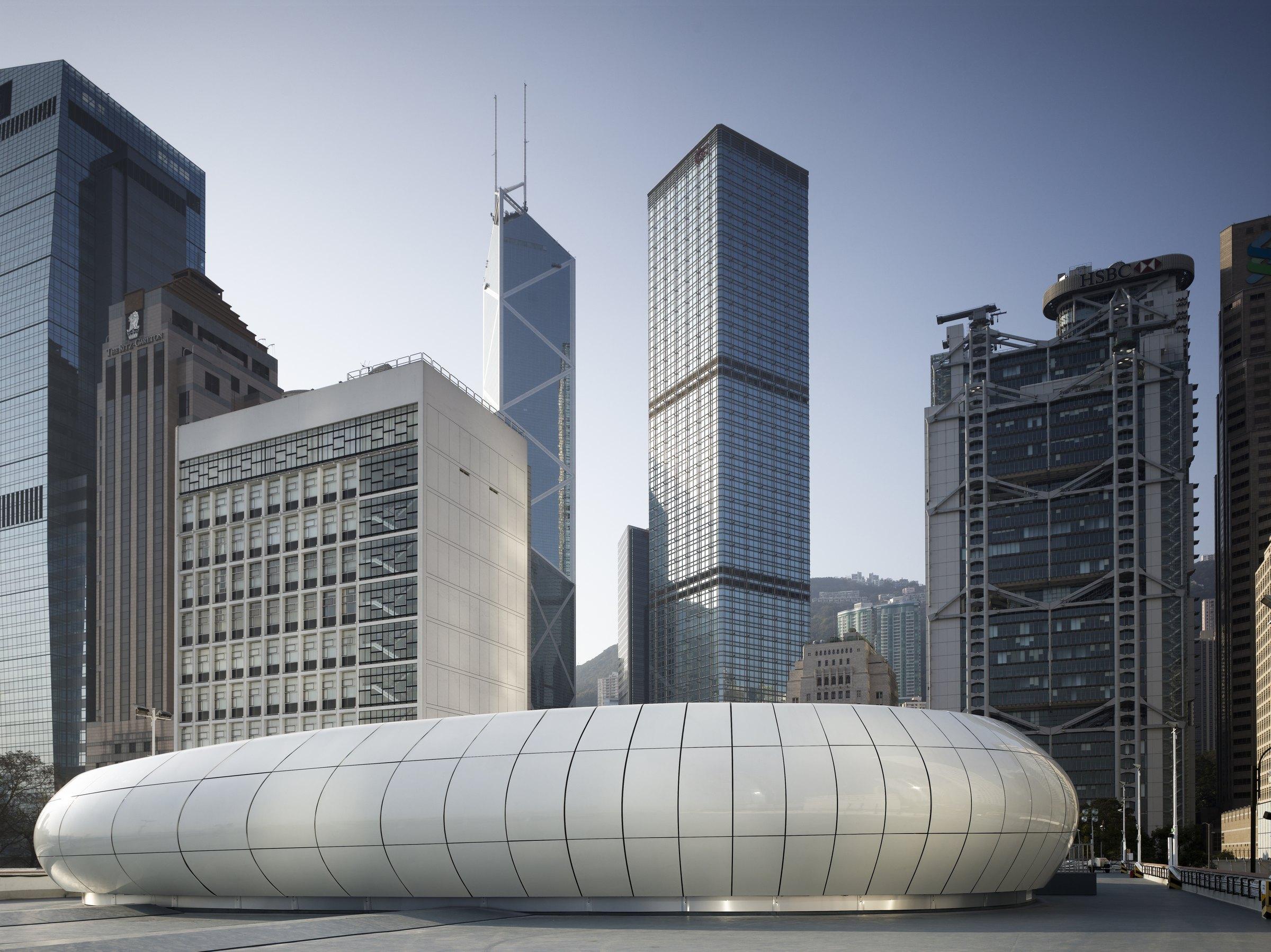
What to send a fabricator before you ask for a quote
Send a fabricator the details that change the price: the space and every door on the way in, event dates plus install and strike, what you already have, how long the build has to live, power and tech, who touches it, who approves it, what happens after, and a budget range. Two touring builds show why. Shigeru Ban's Nomadic Museum rented most of its 148 shipping containers at each stop, and Zaha Hadid's pavilion for Chanel had to fit into shipping containers between cities.
6 min read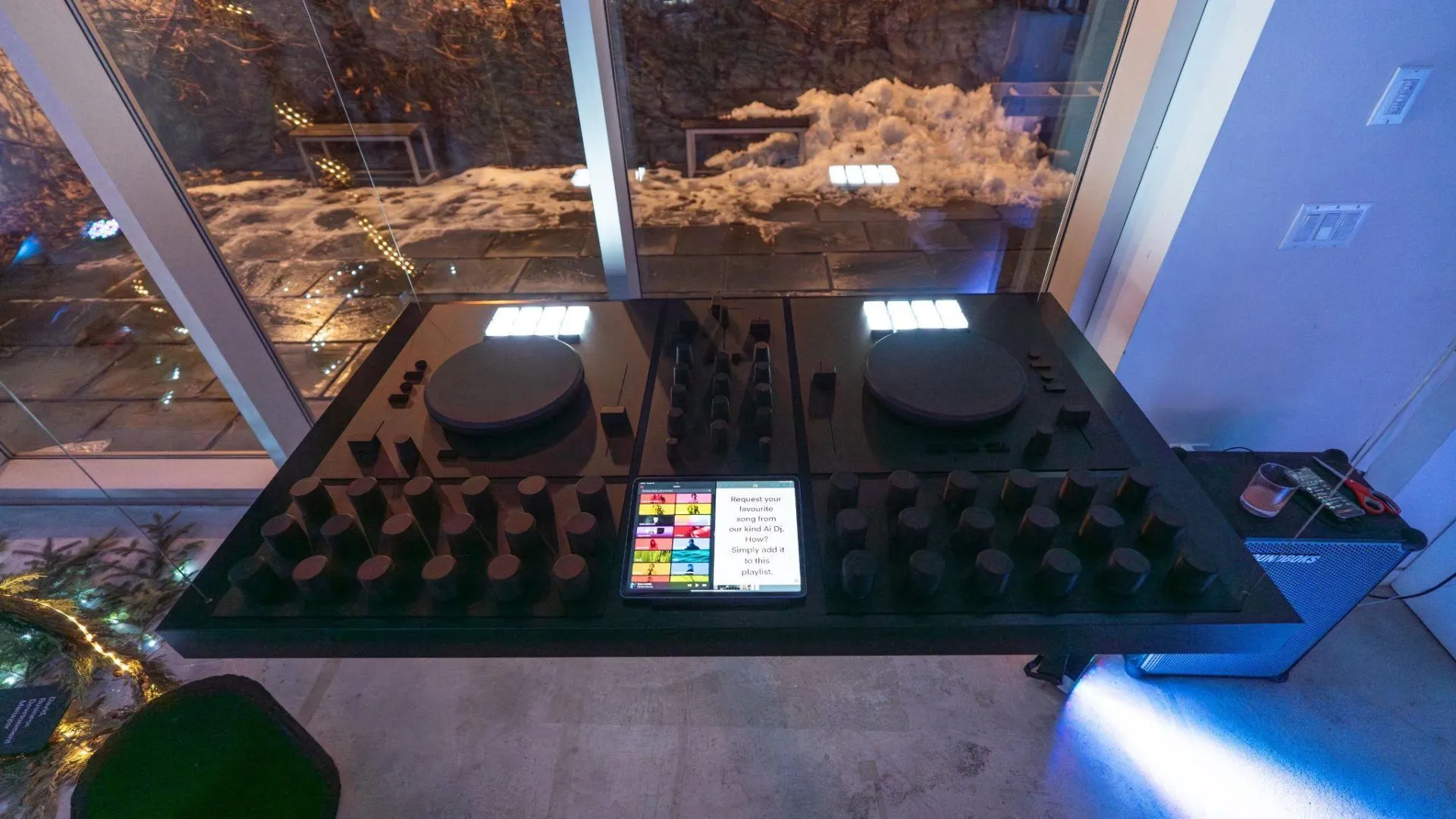
Hiring a fabricator in Toronto: what to send, what to ask, and what the venue will check
A custom build in the GTA can go wrong before anything is cut: a brief without the venue's limits, a quote that can't be compared, a schedule with no room for approvals, a venue rule found at load-in, or a finish nobody saw until install. Here's what to send a fabricator, how to read a quote line by line, how long builds take, what the Enercare Centre and MTCC enforce, when powered builds need ESA permission, and how to make sure the build matches the render.
12 min read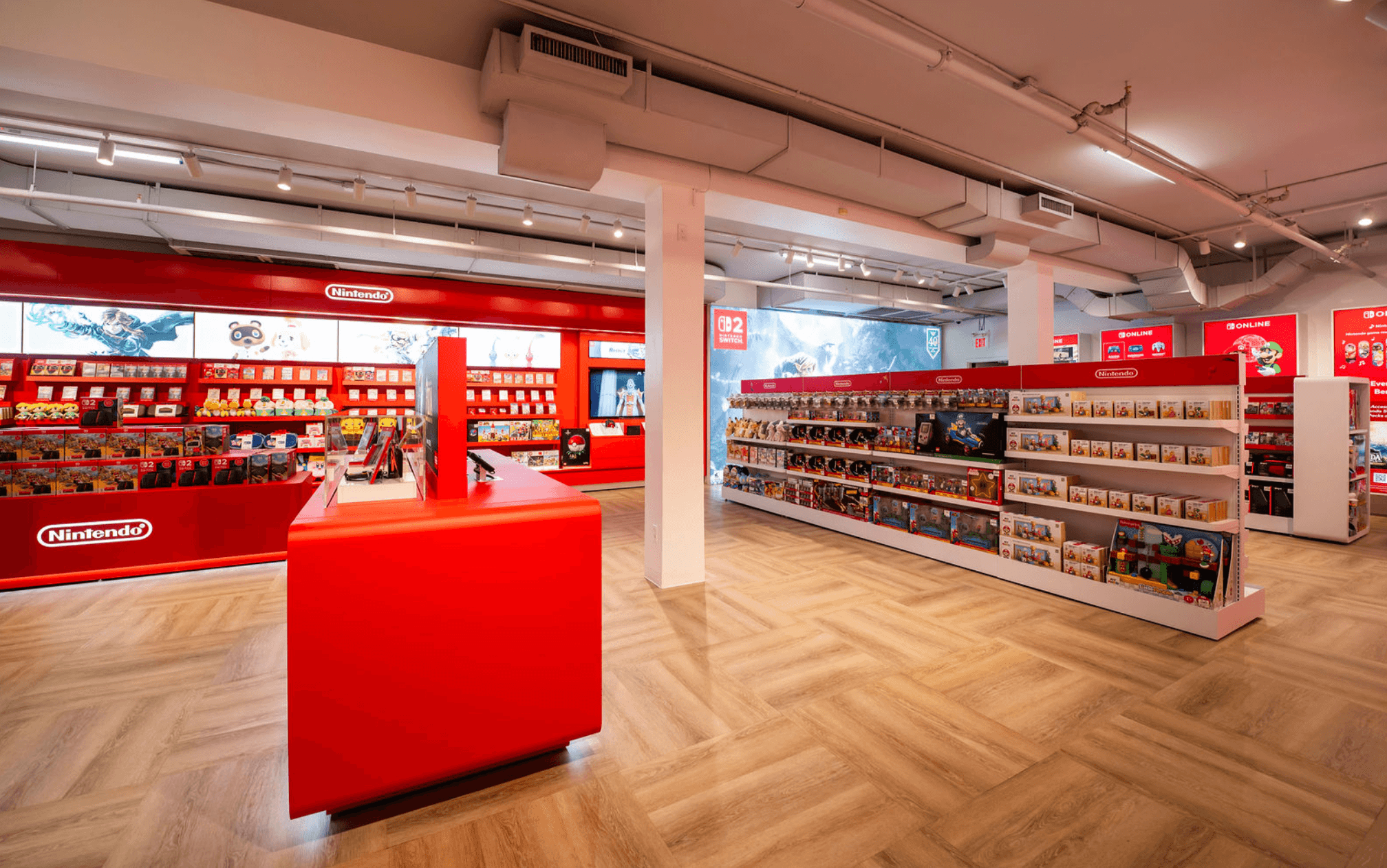
Nintendo’s first North American store-within-a-store is on Yonge Street. Look at the millwork.
On October 17, Nintendo opened its first store-within-a-store in North America: a permanent 1,500-square-foot space inside the EB Games flagship at 267 Yonge Street, Toronto. EB Games gave up nearly half of its footprint for it, per iPhone in Canada. The build is simple to read: one saturated red, lit shelf walls, a Mario statue in a green pipe and playable stations. For GTA brands, it’s a reminder that a shop-in-shop is a fixture and finish problem before it’s a tech problem.
5 min read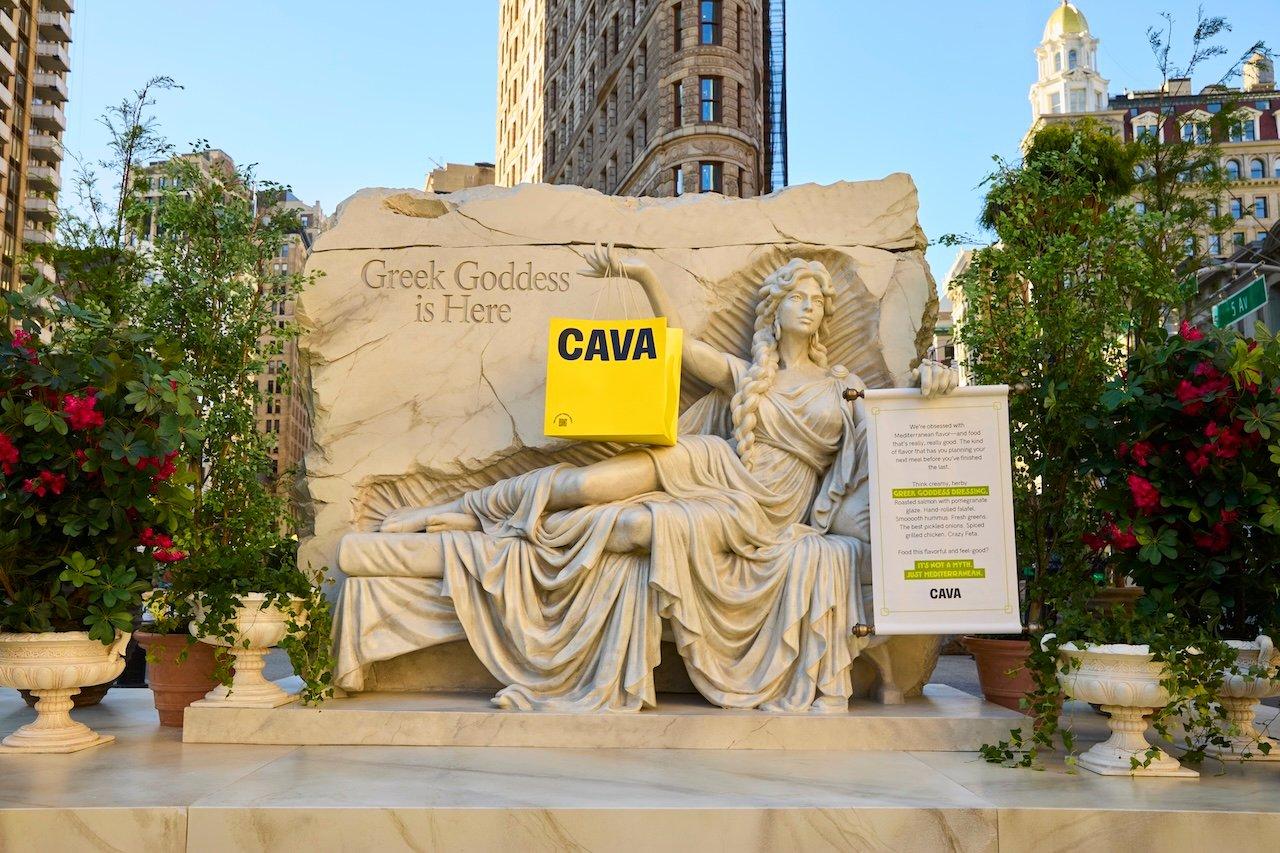
Cava shipped a 3D-printed goddess across the country for one day on a plaza
On October 17, Cava staged a one-day launch for its Greek Goddess dressing on New York’s Flatiron Plaza, built around a giant stone-look goddess on a throne. Conscious Minds led the concept, Vision Scenery fabricated it in Los Angeles and Dollhouse installed it. The goddess was 3D printed in pieces and finished by artists, the arches were timber coated to look like granite, and a plywood Cava bag hid the set first. The lesson: match the build method to each object’s job.
5 min read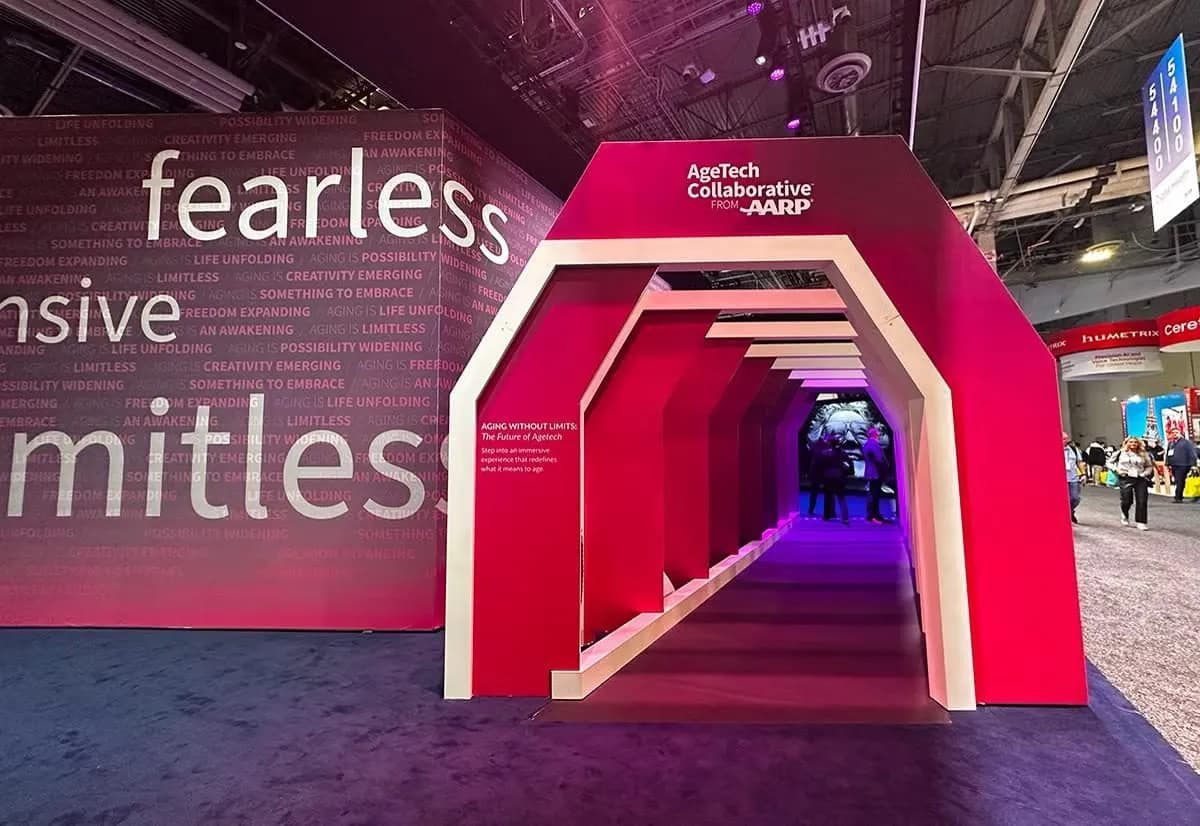
CES 2026: the year the biggest brands abandoned the booth
At CES 2026 (January 6 to 9, Las Vegas, more than 148,000 attendees per the CTA), the defining exhibit trend was substitution: Google traded a footprint for a takeover of Sphere, Intel wove one visual identity from its keynote through a motion-interactive LED cube to a monorail wrap, and Samsung swapped its vast convention-center footprint for a public exhibition. Meanwhile SCP Packaging won attention with a booth built of recyclable cardboard and wood. Event Marketer’s verdict: less showstoppers, more hidden gems and deep engagement.
4 min read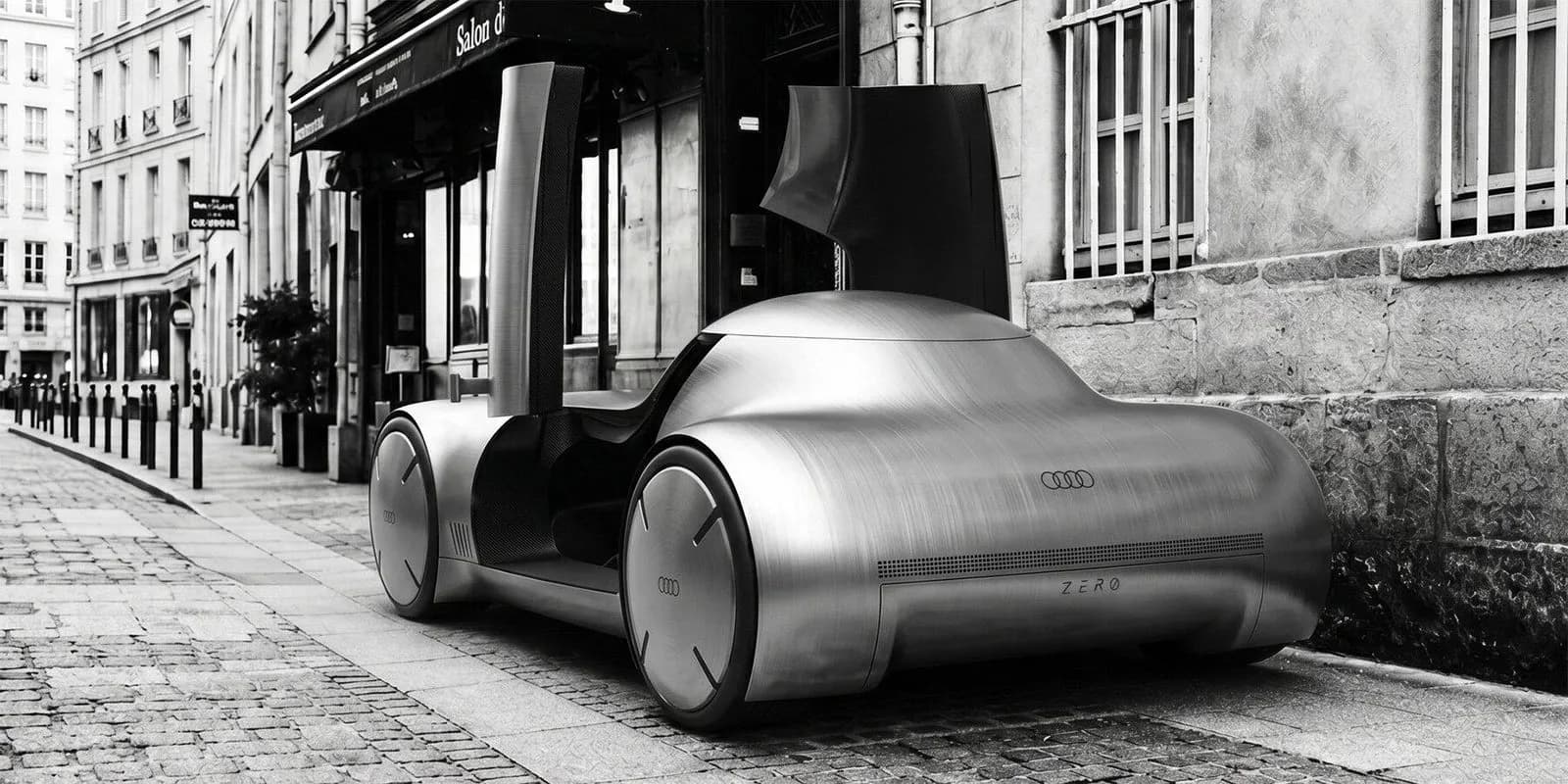
One sphere, four tubes: what a concept car teaches spatial designers about reduction
The Audi ZERØ is an independent electric-vehicle design study by designer Wini Camacho (not an official Audi project) that builds an entire car from five primary volumes: a spherical passenger cell and four tubes housing the wheel pods and the tapering front and rear. At 3.1 meters long, it demonstrates a design philosophy of pure reduction, where identity comes from geometry rather than styling, a principle that transfers directly to installations and spatial design.
3 min read
Have a project in mind?
Tell us about your vision, and we'll handle everything from design to install.
Agency team? Meet your agency fabrication partner. Local build? See custom fabrication in Toronto.